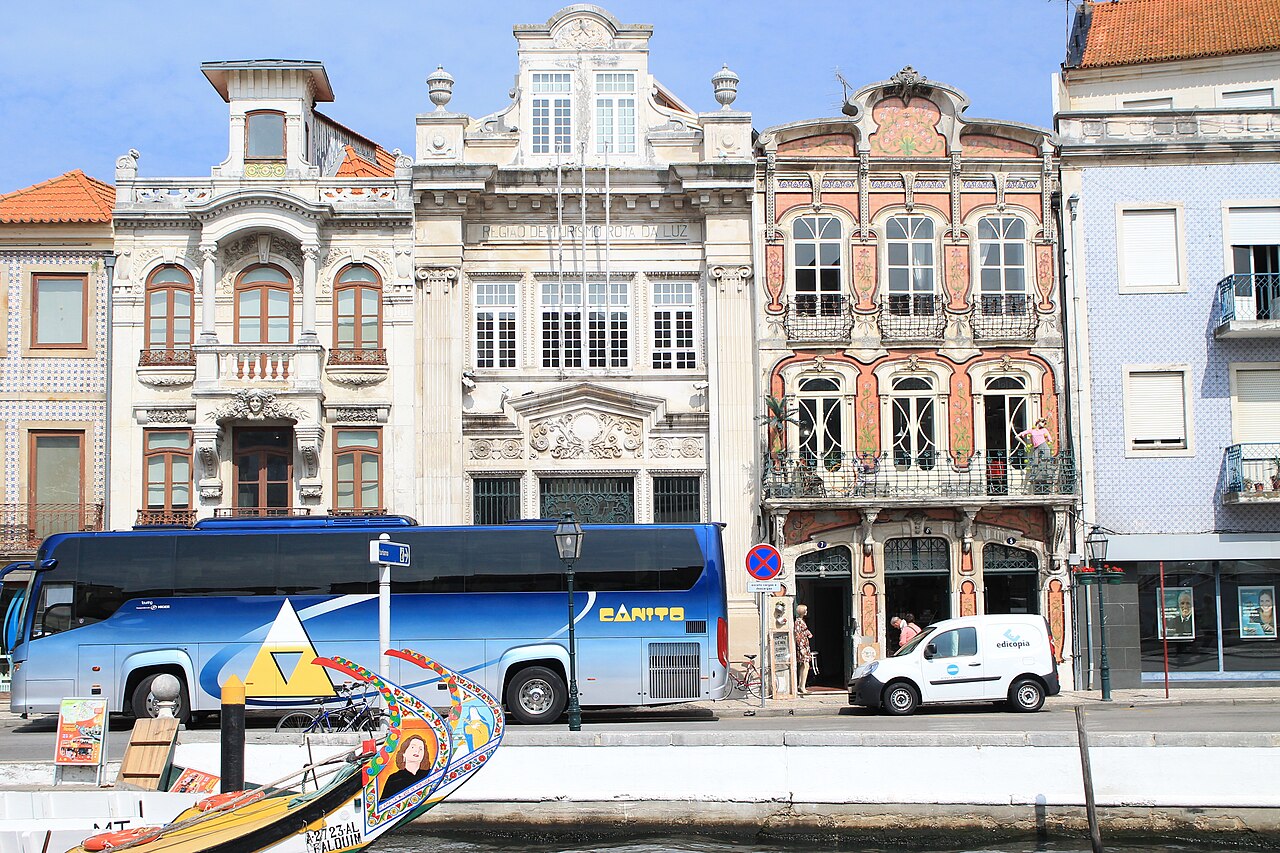
Moliceiro canal ride
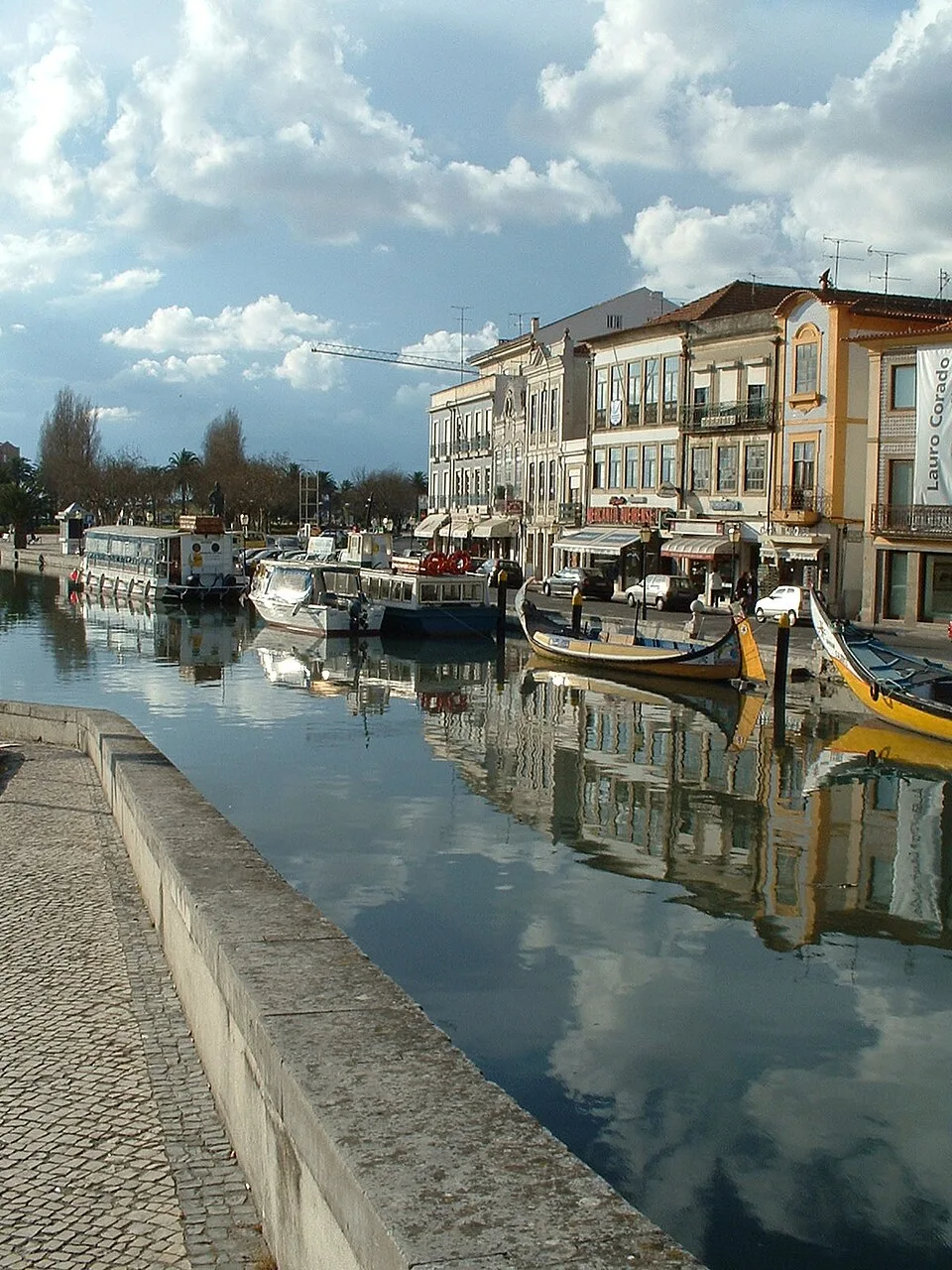
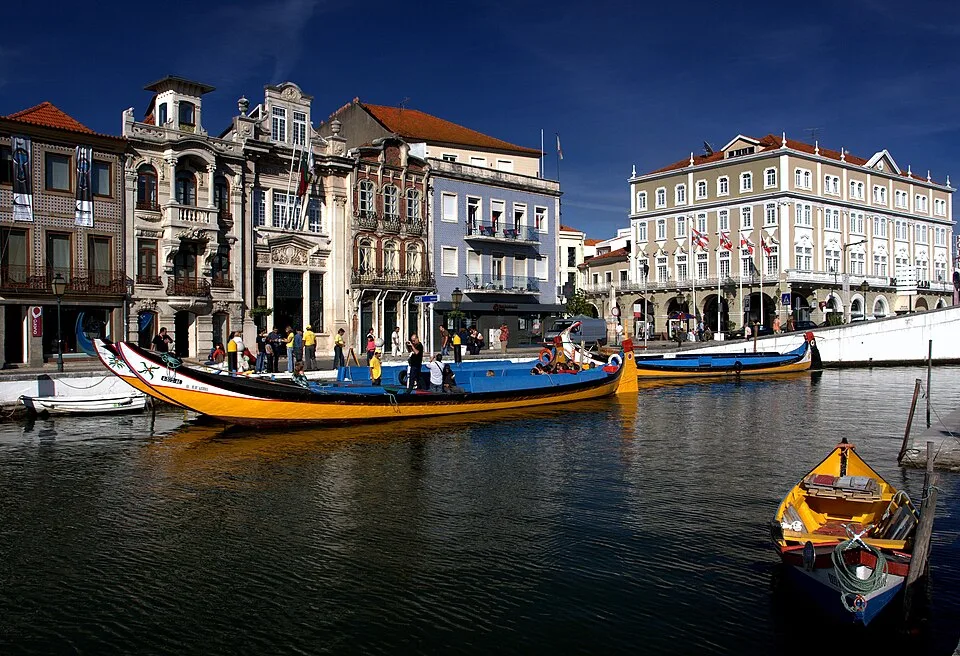
Brightly painted moliceiros move you through the canal zone, with bridges and riverfront buildings turning a boat trip into a guided mood.
Canals
Portuguese Venice
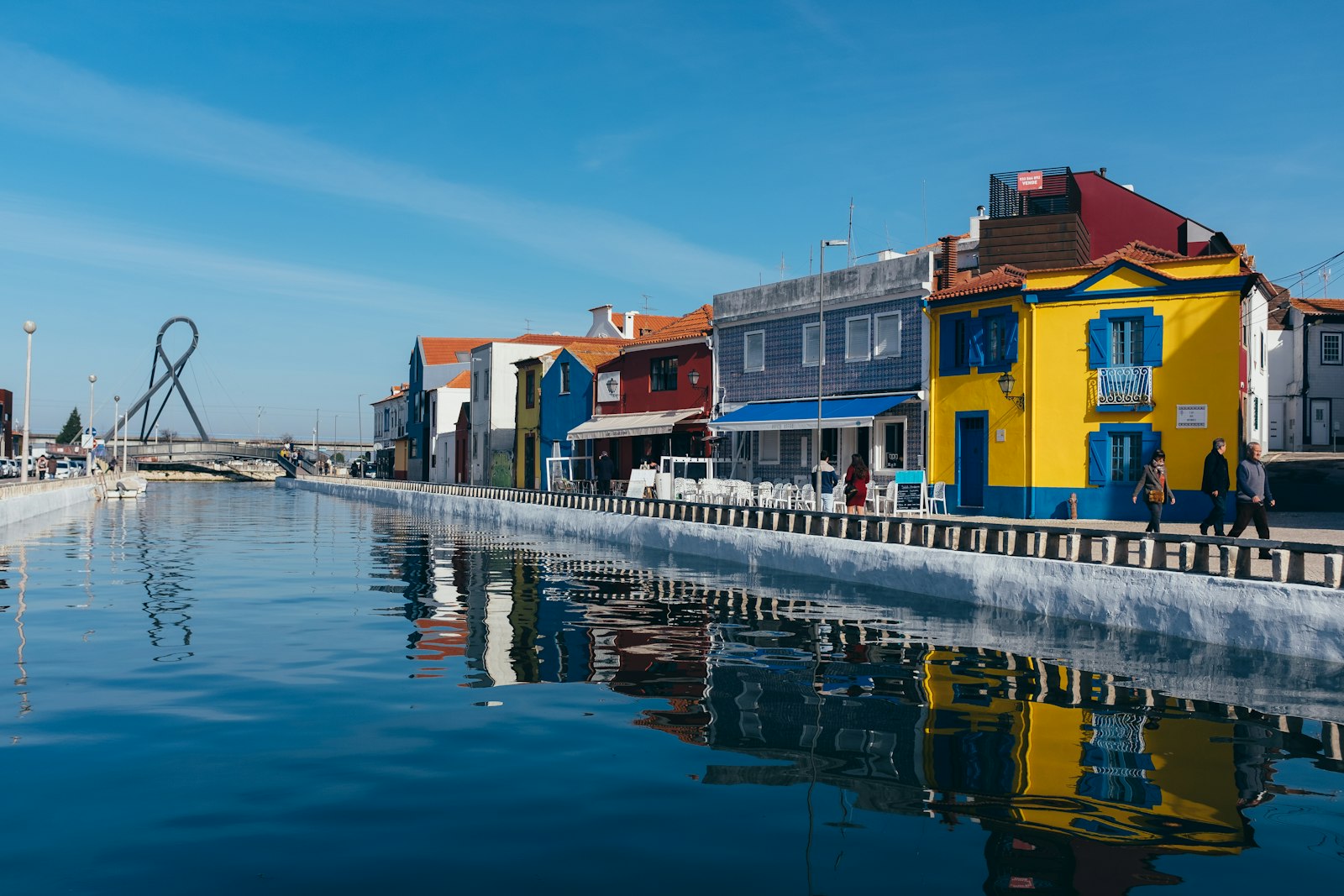
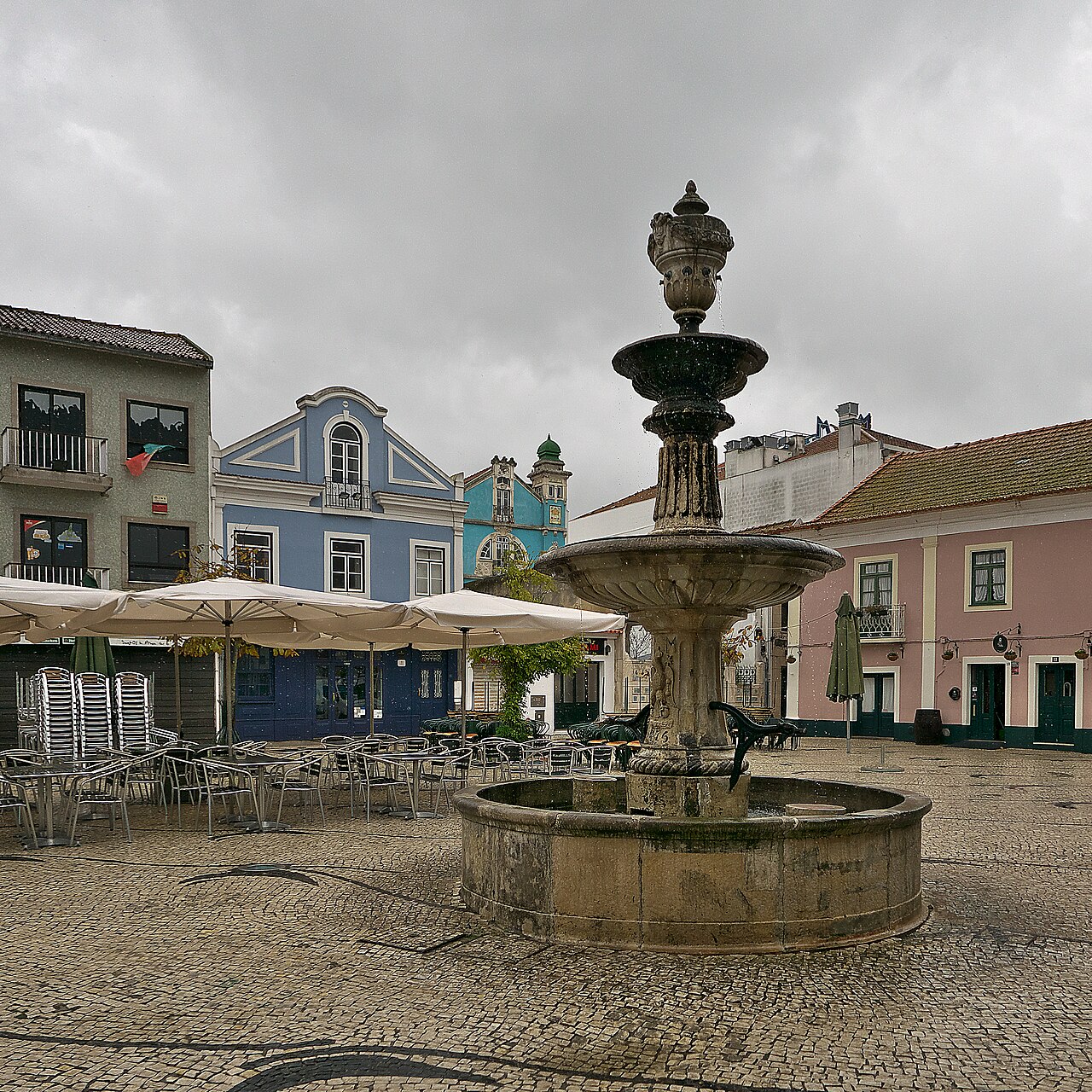
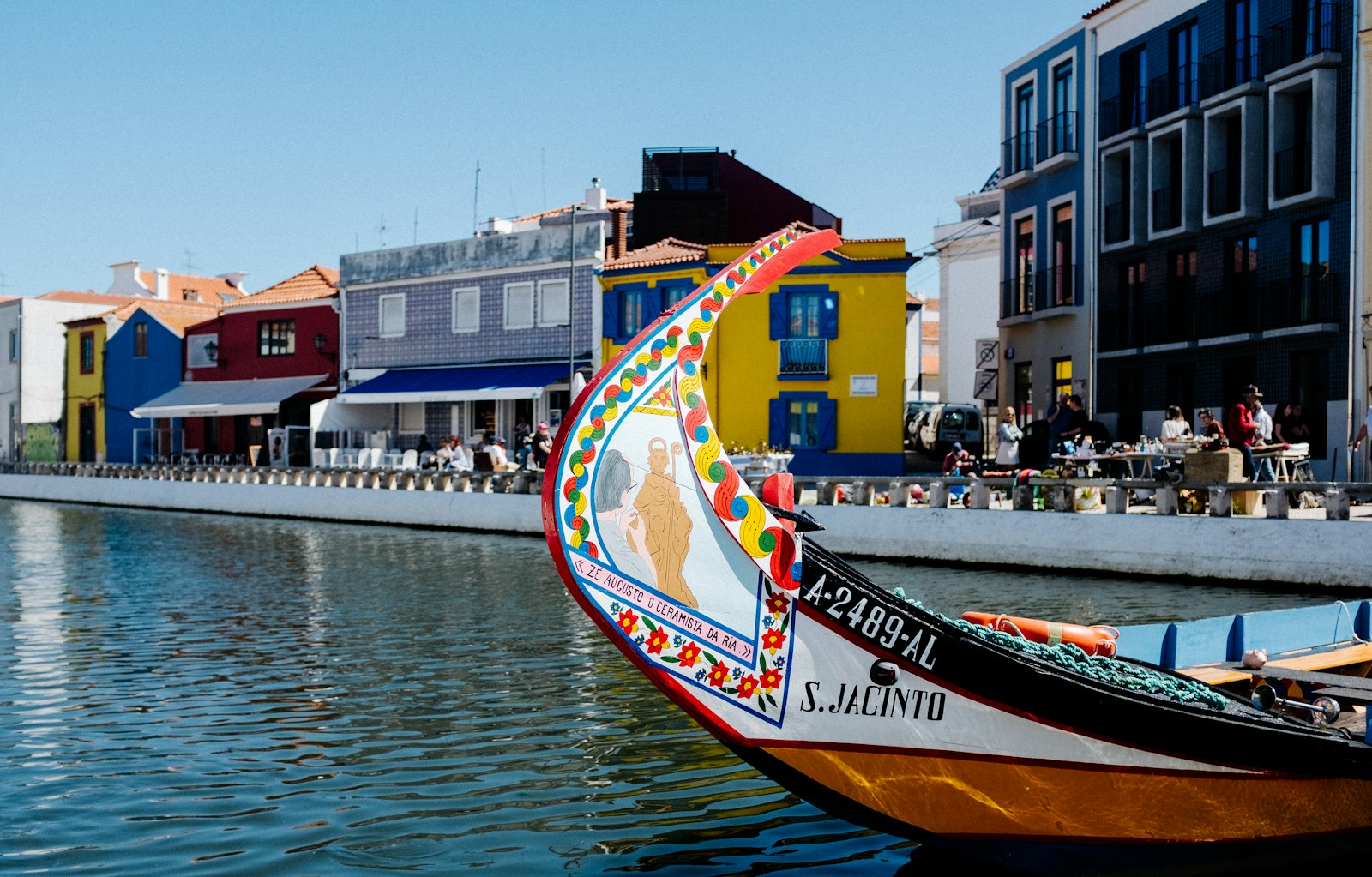
Canals, salt pans, and sandy coast — all tied together with canalfront landmarks and Atlantic charm.
Aveiro works best when you stop calling it the Portuguese Venice long enough to notice what it actually is: a lagoon city built on salt, seaweed, boats, fish markets, and a weirdly elegant layer of civic façades, monastery walls, and canalfront detail. The canals are real, yes, but the point is the whole atmosphere around them: low bridges, painted moliceiros, tiled façades, and a city that feels lighter on its feet than most Portuguese urban stops.
The smarter move is to treat it as three linked chapters in one place: canal-city first, coast second, then the salt-pan and Ílhavo backstory that explains why Aveiro feels different from other Portuguese stops. Spend the first day on the ria, markets, sweets, and architecture; spend the second on Costa Nova, Barra, and Atlantic air; keep the third for salinas, maritime context, and Vista Alegre. Three days gives the guide its full shape without turning the place into hard work.
Aveiro is easiest from late spring through early autumn, when the canal walks, Costa Nova beach time, and Barra lighthouse detours can sit comfortably in the same trip. July and August are the driest and most atmospheric months, but they are also the busiest, so plan coast days early and keep restaurant plans a little more deliberate.
April, May, and September are the better choice if you want softer light, easier pacing, and fewer peak-season crowds. The beach may be less predictable than in high summer, but the city-centre walks, salinas, Ílhavo, and Vista Alegre all work especially well in those shoulder months.
November to January is the wetter stretch, and autumn or winter can bring strong coastal wind. That does not make Aveiro unusable; it just shifts the trip toward cafés, museums, seafood lunches, salt warehouses, and shorter windows outside when the weather opens. Pack layers if the coast is part of the plan.
Six stops that explain the city fast: moliceiros on the ria, the fish market square, canalfront landmarks, porcelain in the wider Aveiro area, salt-pan landscapes, and the striped beaches of Costa Nova and Barra.
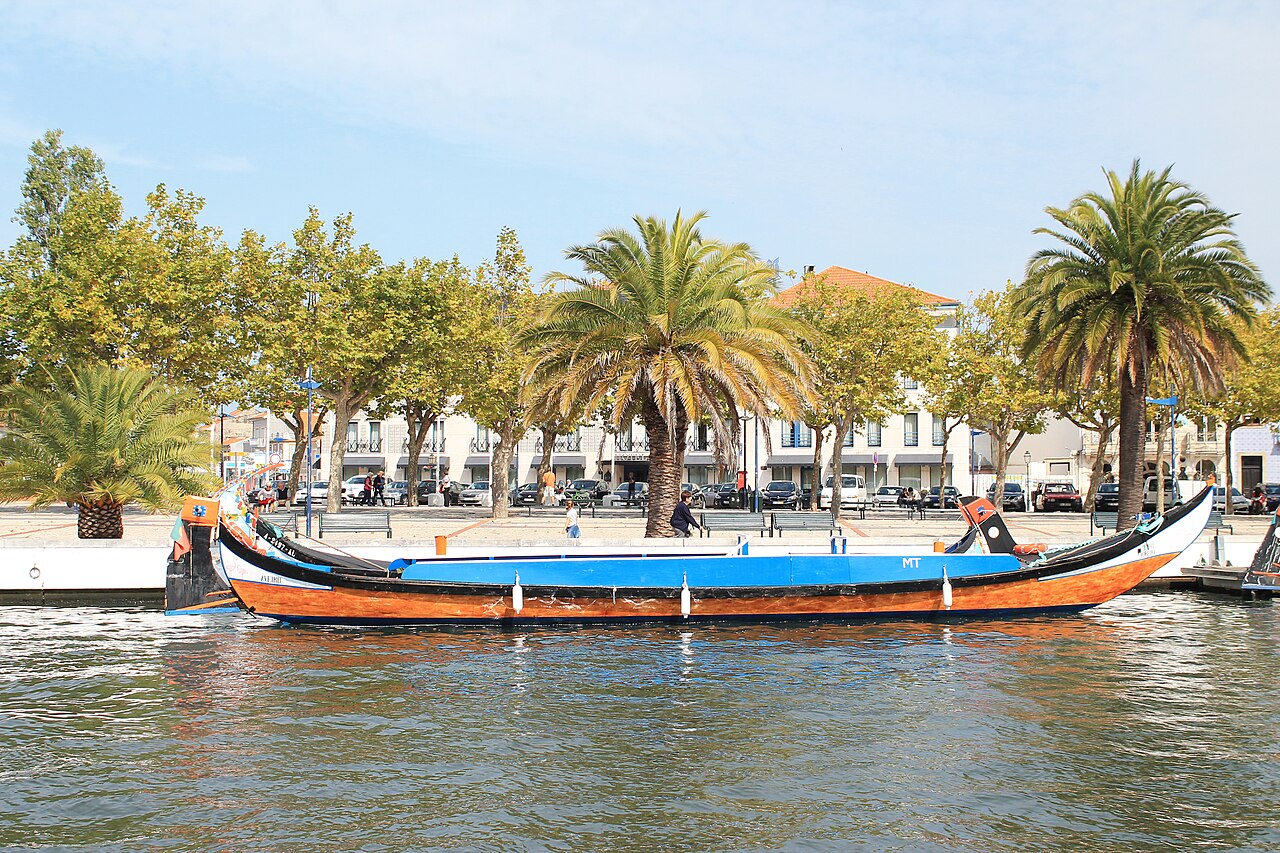
Brightly painted moliceiros move you through the canal zone, with bridges and riverfront buildings turning a boat trip into a guided mood.
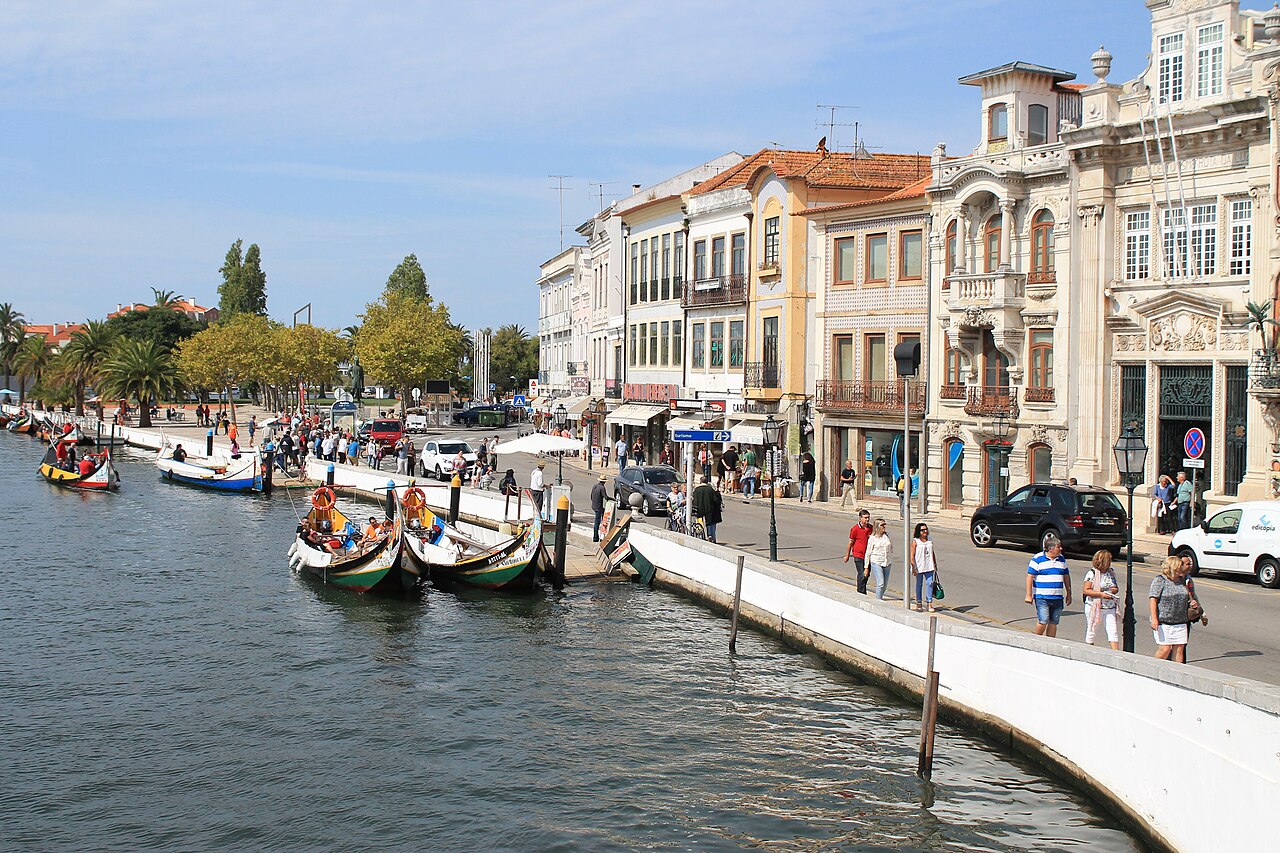
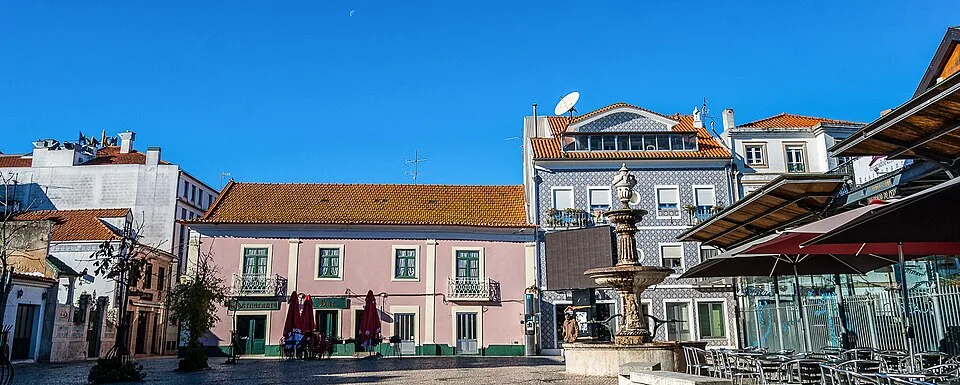
The most famous square in the city’s dining and drinking rhythm. In winter the bars run later — in summer they run even longer.
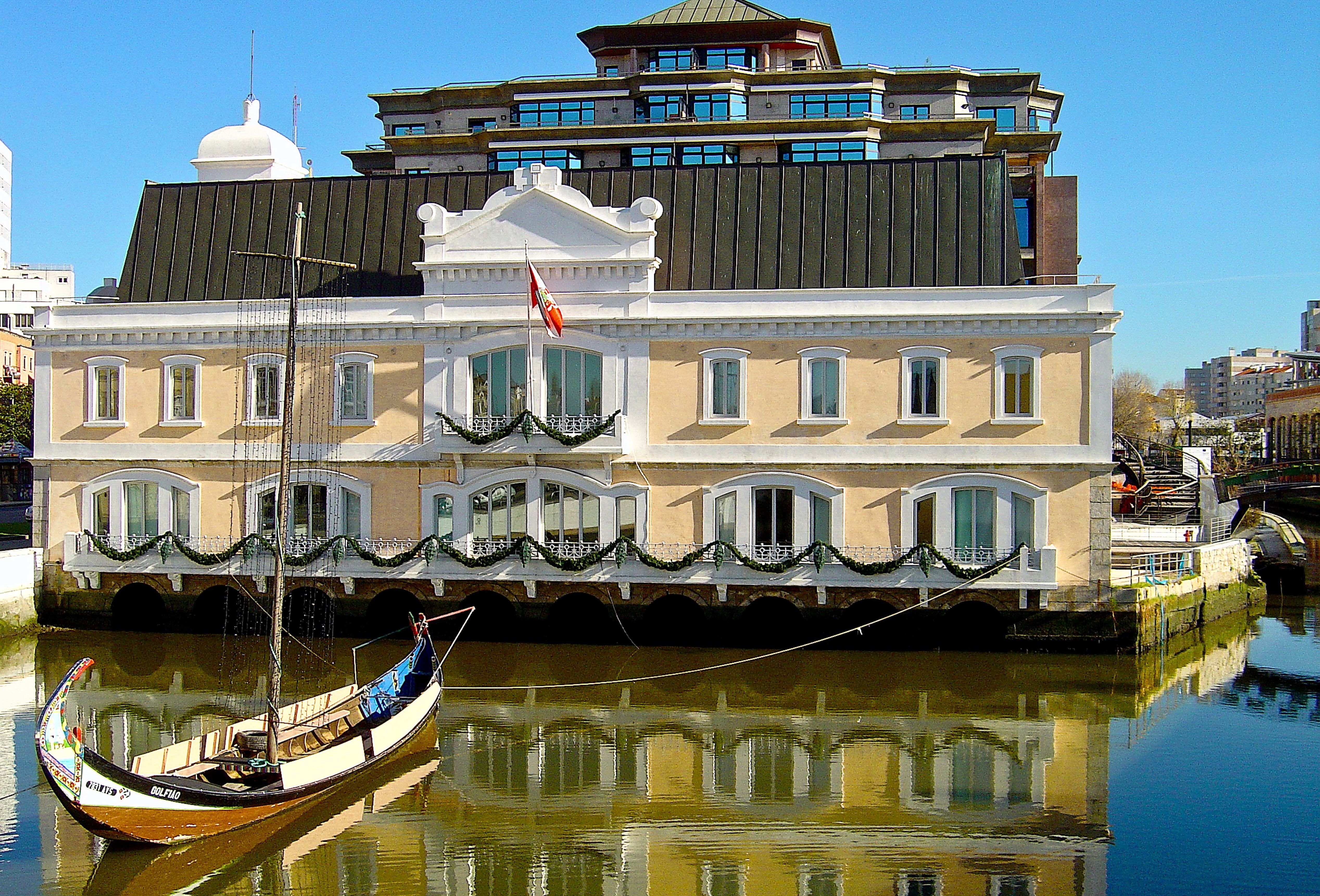
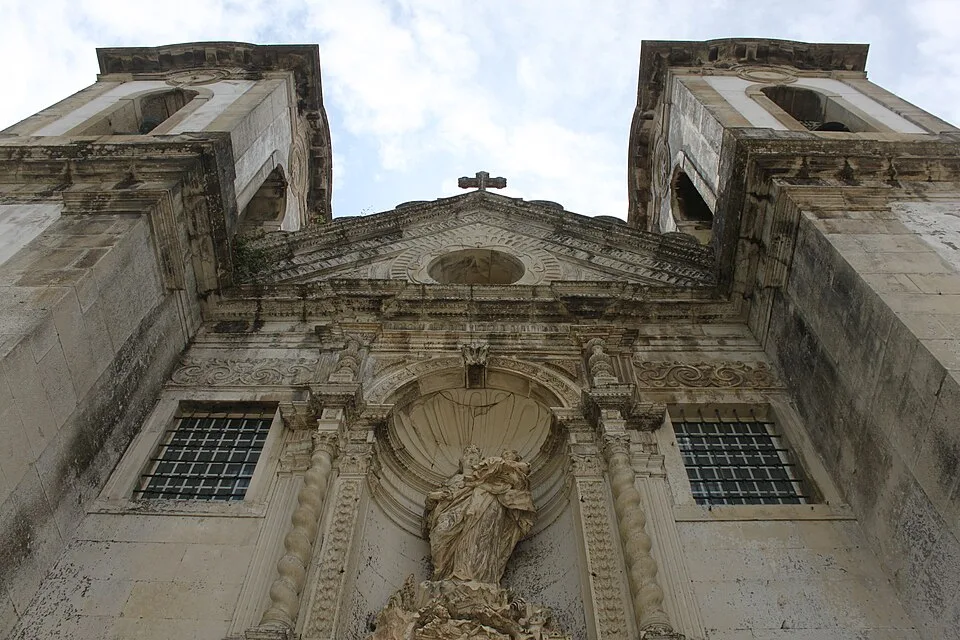
A concrete Aveiro landmark on the waterfront. Use it as a named stop in the centre rather than relying on fuzzy style labels.
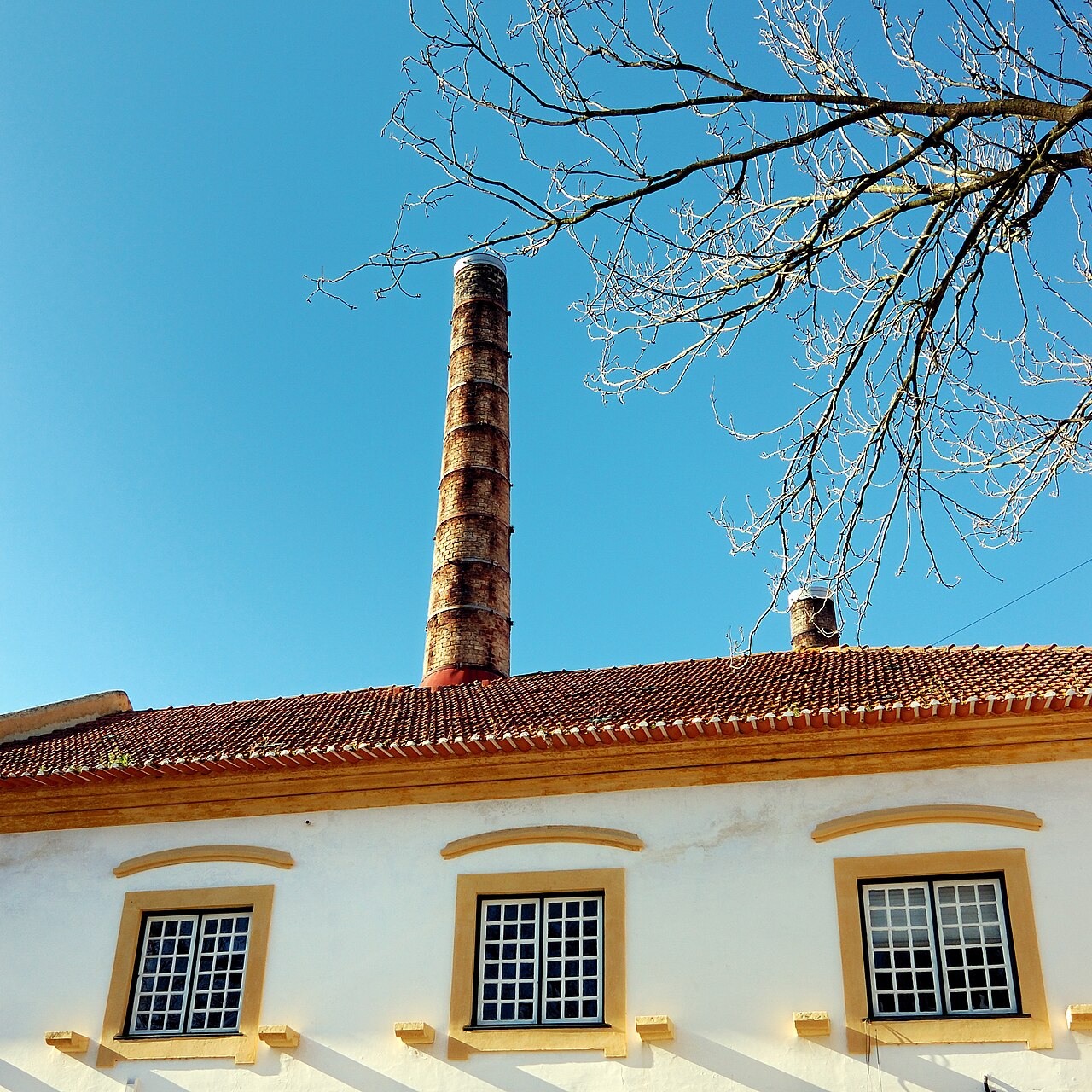
A famous porcelain and cut-glass factory established in the early 1800s. Visit the workshop area and leave with pieces (or just new respect).
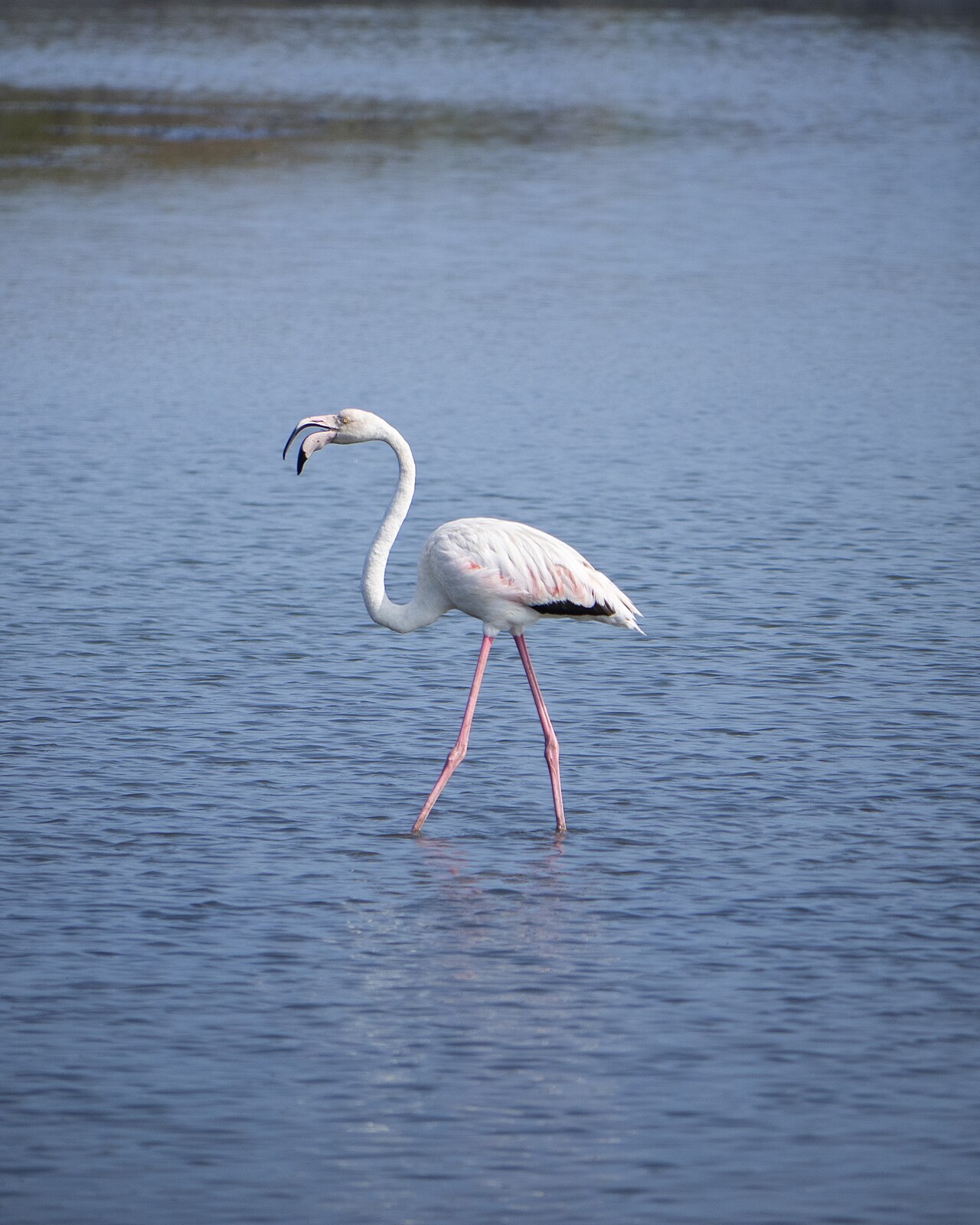
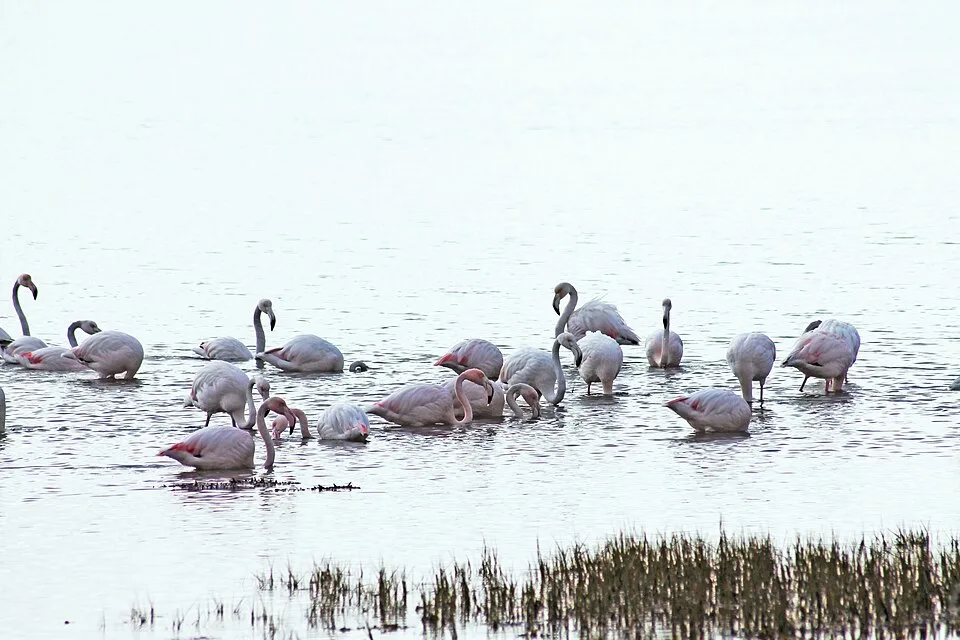
Even today, the salt story leaves visible traces. It’s also where birdwatching turns practical geography into something you can feel.
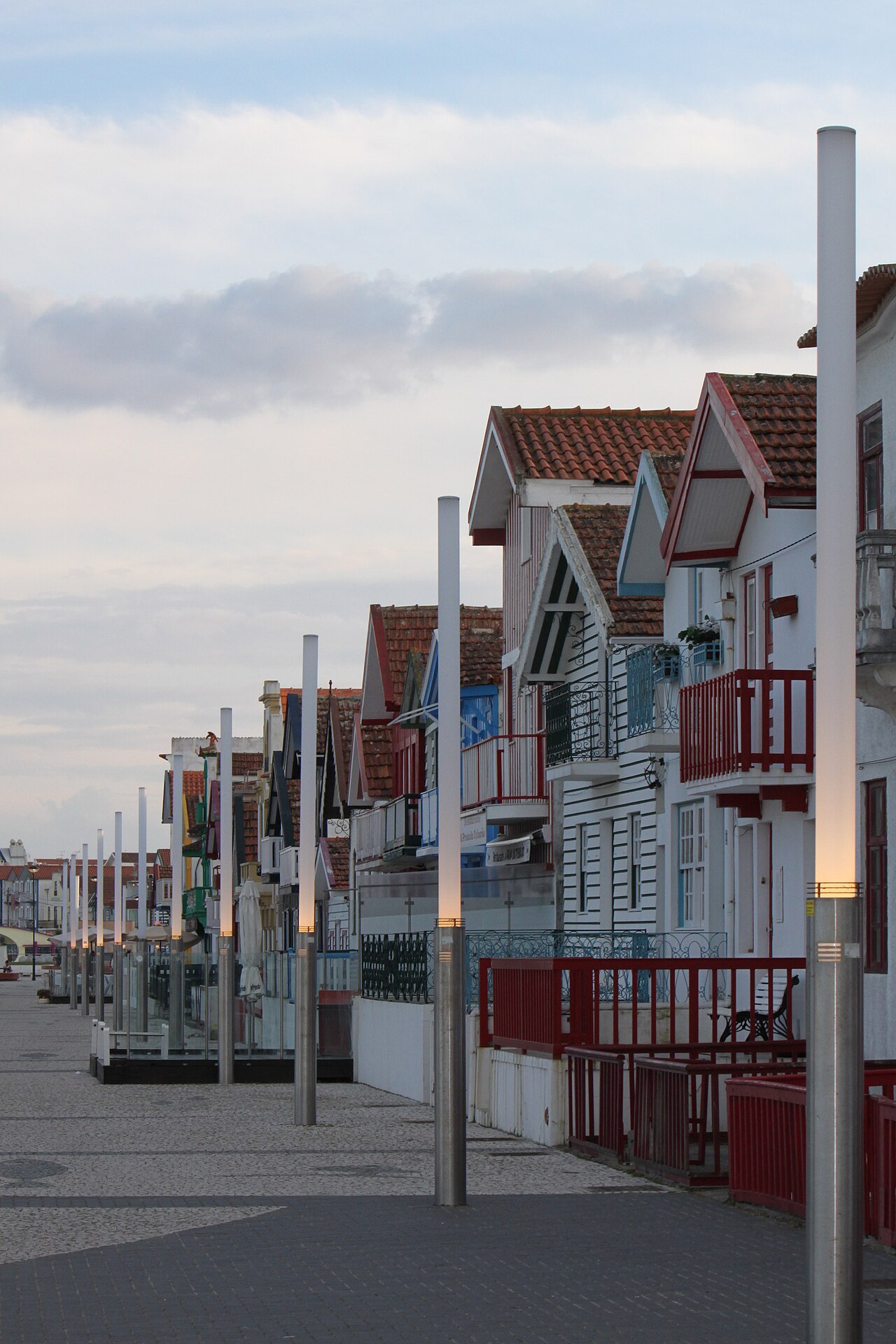
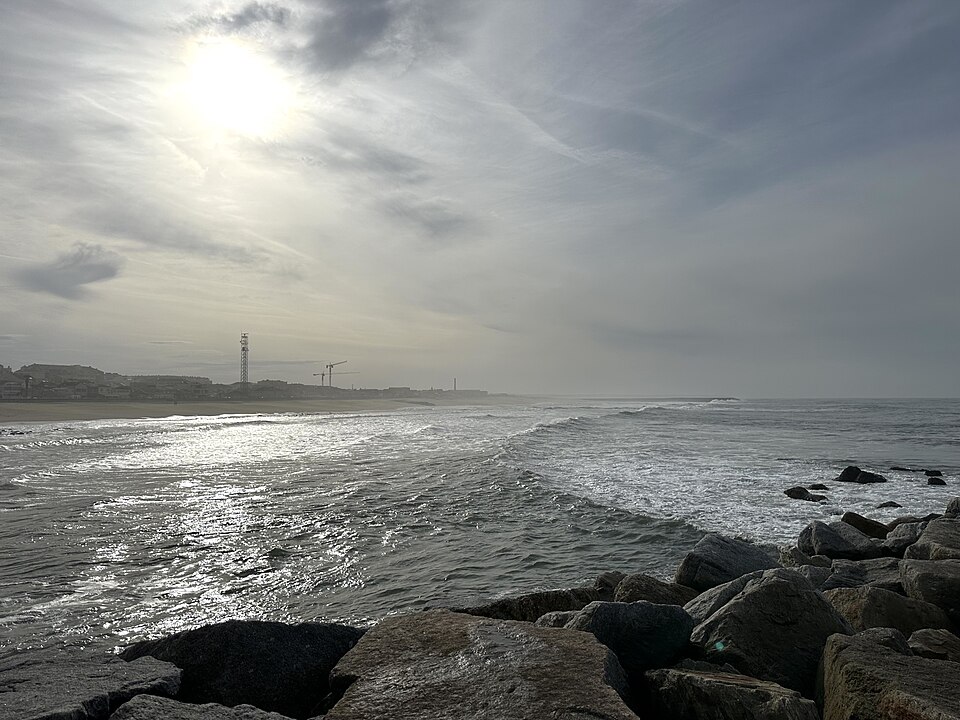
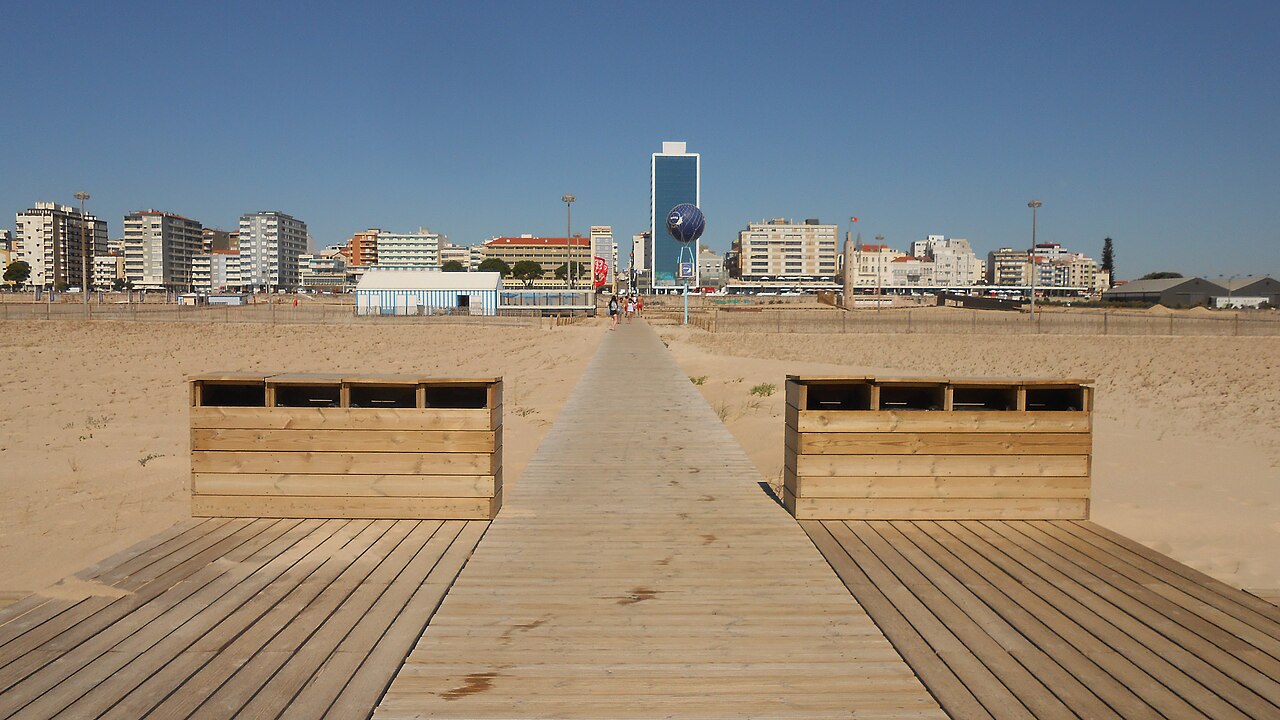
The coast is the escape from the city’s canals. Spend a morning on the striped sand, then time the lighthouse view and sea air for late afternoon.
Aveiro works best when each day has one clear shape. Do not blur the canals, the coast, and the Ílhavo-salinas backstory into one overpacked day trip. Give the ria one day, give the Atlantic one day, then use the third to understand what made the place rich and strange in the first place.

Rossio → Praça do Peixe → Costa Nova → Barra → Ílhavo → Vista Alegre
Keep the opener urban and easy. The point is not to “do Aveiro” in a rush, but to let the canals, architecture, sweets, and fish market rhythm explain the place in the right order.

Use the second day for the Atlantic version of Aveiro. Costa Nova, Barra, and whichever mix of dunes or beach time the wind allows is the cleanest coastal chapter you can give the trip.


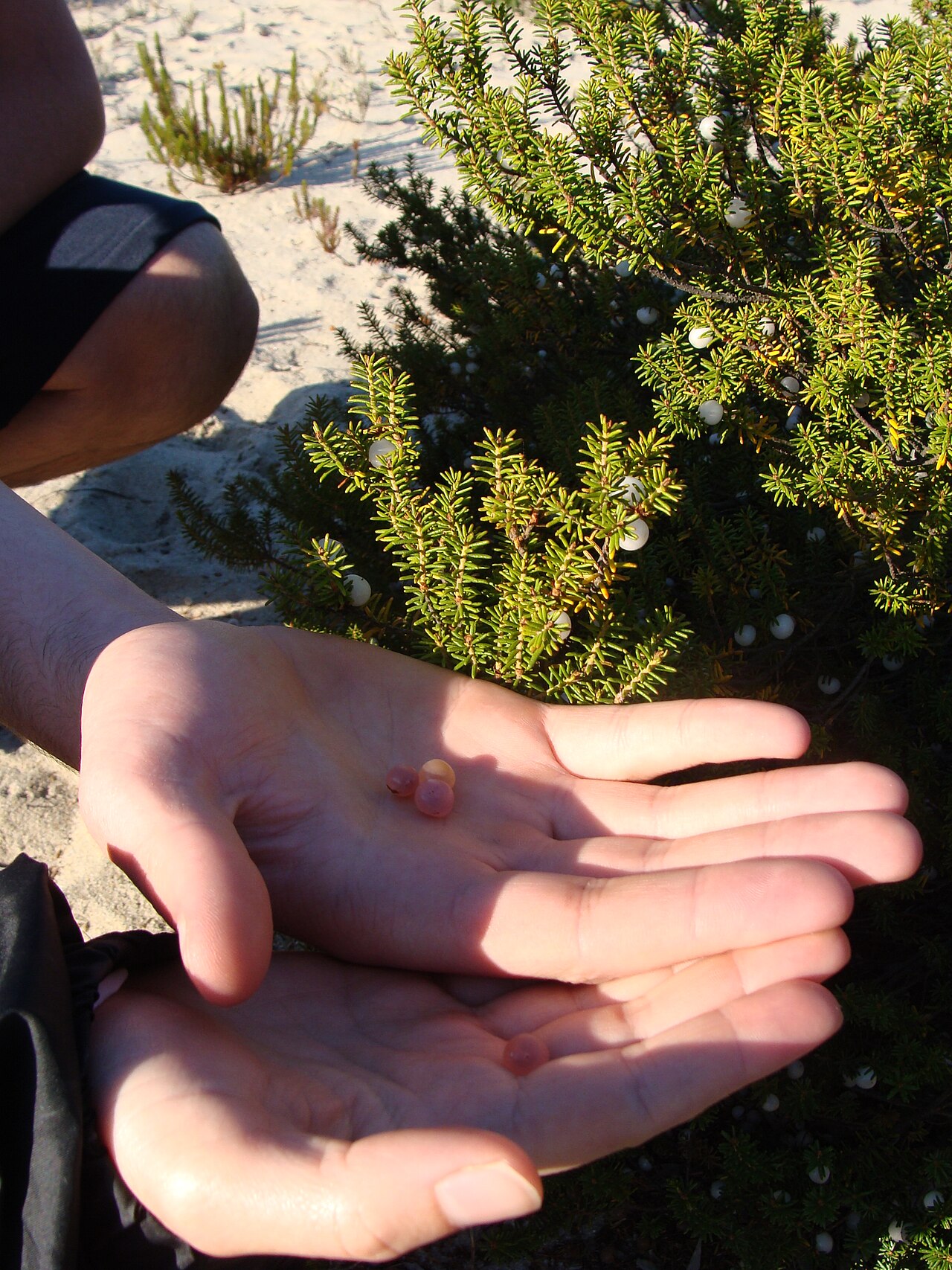

The third day is for the Aveiro most overnighters never really get to: salt-pan labour, maritime identity, and the polished confidence of Vista Alegre. Keep it slower and more local.
Aveiro is built for walking, and the cleanest arrival is usually by train: the station sits roughly 10 minutes from the canal zone via Avenida Lourenço Peixinho, with the old azulejo station building as an instant first clue that the city cares about surface detail. Once you are in town, BUGA bikes, beach buses, and the occasional ferry or moliceiro do more for the trip than driving ever will.
If you are coming from Porto, Coimbra, or Lisbon, rail keeps the trip cleaner and drops you close enough to walk in. Save the car for coast loops, Vista Alegre, or a more ambitious day beyond Aveiro.
The beaches are the draw, but central Aveiro is too compact to justify repeated short drives. Walk the city, use buses or bikes for extensions, and leave summer parking stress to other people.
Aveiro is not a mountain-hiking base; its best routes are flat, watery, and wind-shaped. Think canal walks, beach boardwalks, salt pans, dune paths, and slow lagoon edges rather than big climbs. The trick is choosing the right walk for the weather: central routes work in almost any season, while the coast and dunes are best when the wind is not doing all the talking.
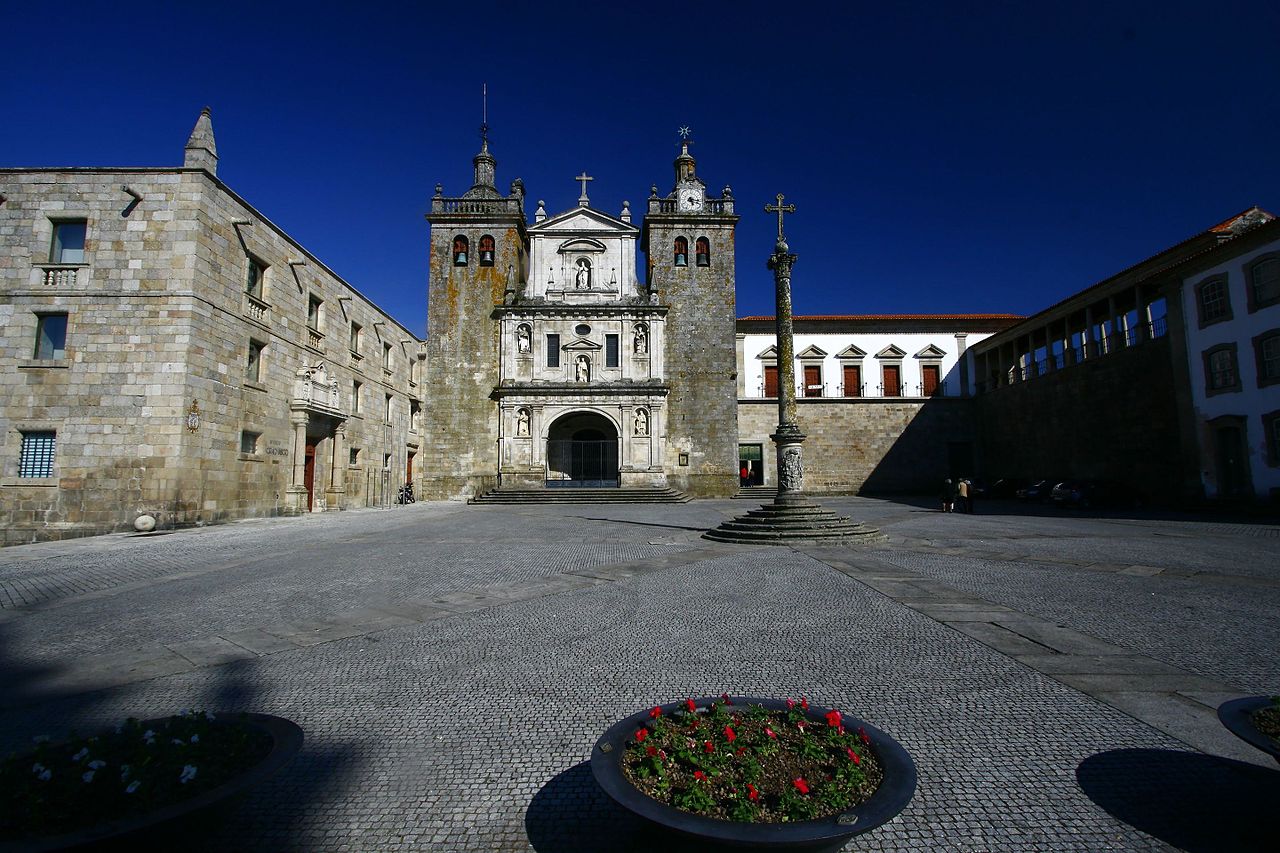
Best short walk: start at the old azulejo station, follow Avenida Lourenço Peixinho into the canal zone, loop Rossio, Praça do Peixe, the Art Nouveau façades, Antiga Capitania, the cathedral side, and the Museu de Aveiro / Convento de Jesus. It is the cleanest first-day route because it turns the city from “pretty canals” into a compact architectural story.
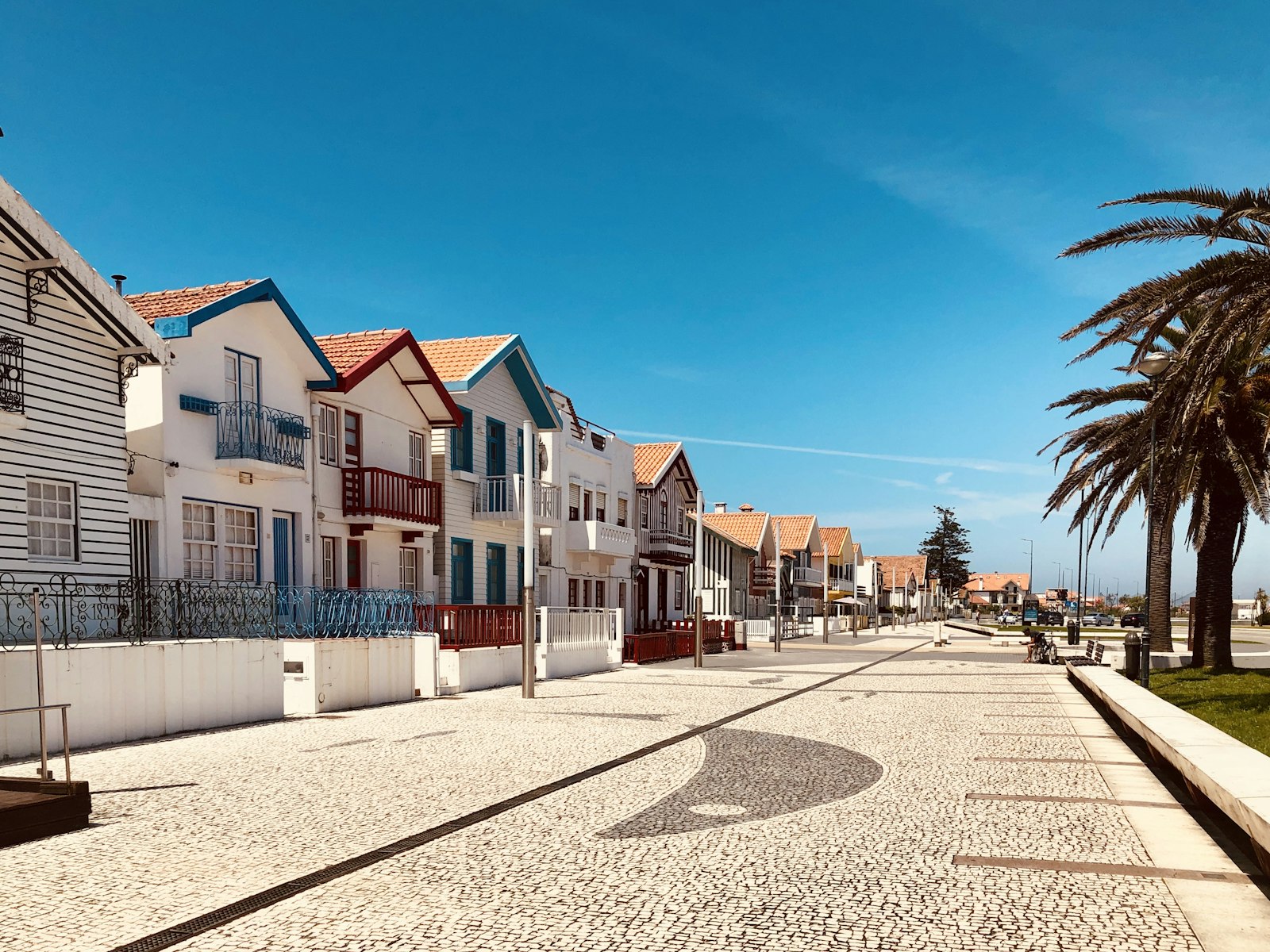
Best coast walk: use Costa Nova and Barra as one Atlantic arc. Walk the striped palheiros and lagoon side in Costa Nova, cross toward the beach, then continue toward Barra for the lighthouse and broader sand. This is the route to choose when you want the postcard version of Aveiro without reducing the coast to a photo stop.
Must-do nature walk: São Jacinto is the one to protect if you want the wilder side of the ria. The dunes, pine woods, quiet beach, and birdlife make it feel completely different from Costa Nova or Barra. It takes more effort than the easy beach bus, but that is the point: go when you have half a day, decent weather, and enough energy for a slower lagoon-and-Atlantic outing. Check in at the reserve interpretation centre and pick a marked trail rather than wandering at random.
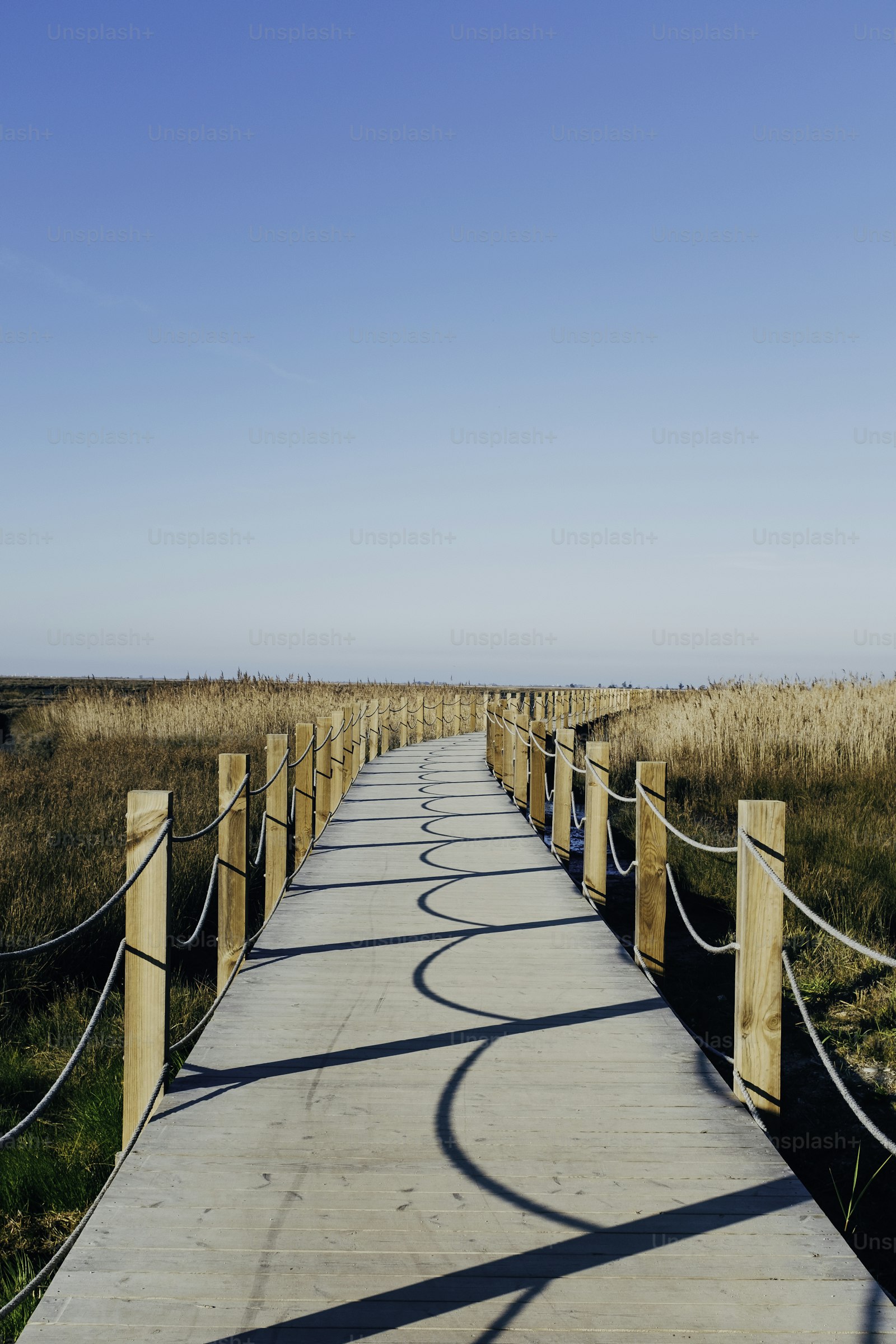
Best lagoon boardwalk: the Passadiços da Ria de Aveiro are the easiest way to turn the ria into a proper walk or bike ride. Start around Canal de São Roque / Cais dos Remadores Olímpicos and follow the flat wooden paths north through marsh, reeds, birds, and open water. Go late in the day for softer light; in hot weather there is not much shade.
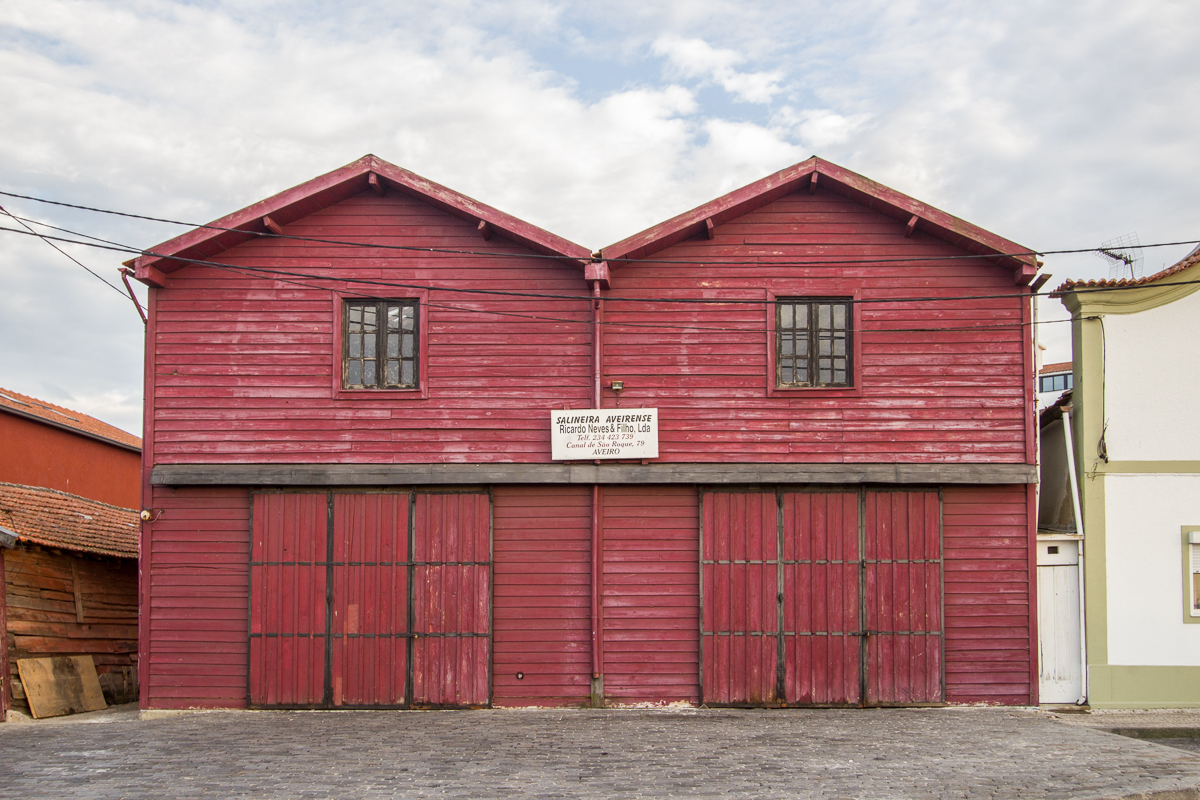
Best slow local route: walk the salinas and Canal de São Roque side late in the day. It is not dramatic, but it gives the salt story a physical shape: low water, warehouses, birds, mudflats, wind, and the working landscape behind the city’s prettiest souvenirs.
Think less in terms of city blocks and more in terms of your base: central Aveiro for canals and cafés, Costa Nova for the postcard strip, Barra for lighthouse-and-beach energy, and Ílhavo when you want the maritime backstory without feeling far from town.
Best if you are mostly on foot
Stay around Rossio and Praça do Peixe for the easiest first-time setup. Boats, cafés, sweets, and bars all stay within a short walk.
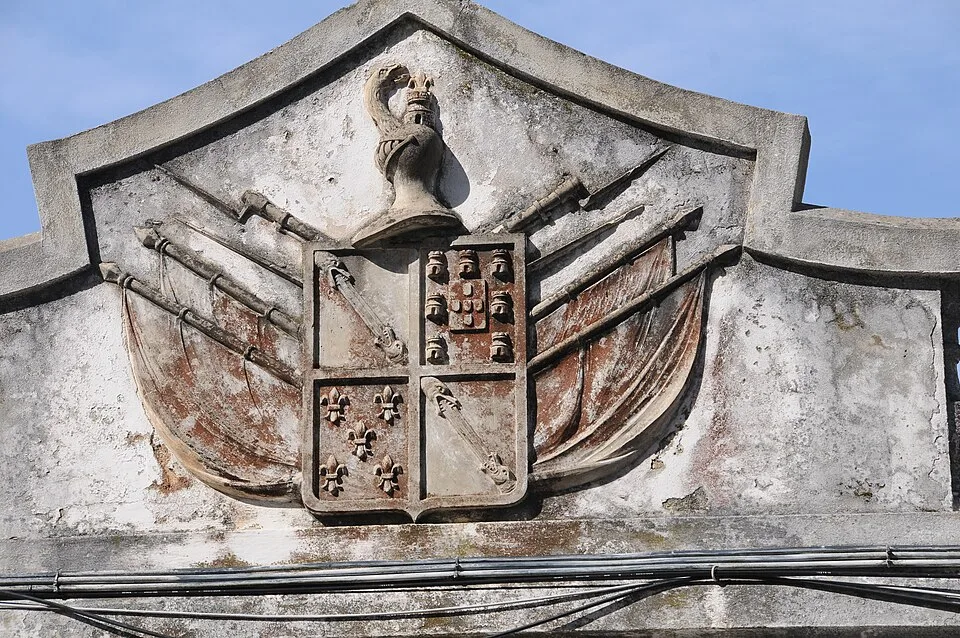
Roughly 15 minutes south of Aveiro
The classic near-Aveiro stay: striped palheiros, Atlantic beach on one side, calmer ria water on the other. Pick it for sea air and a brighter, more summery base.
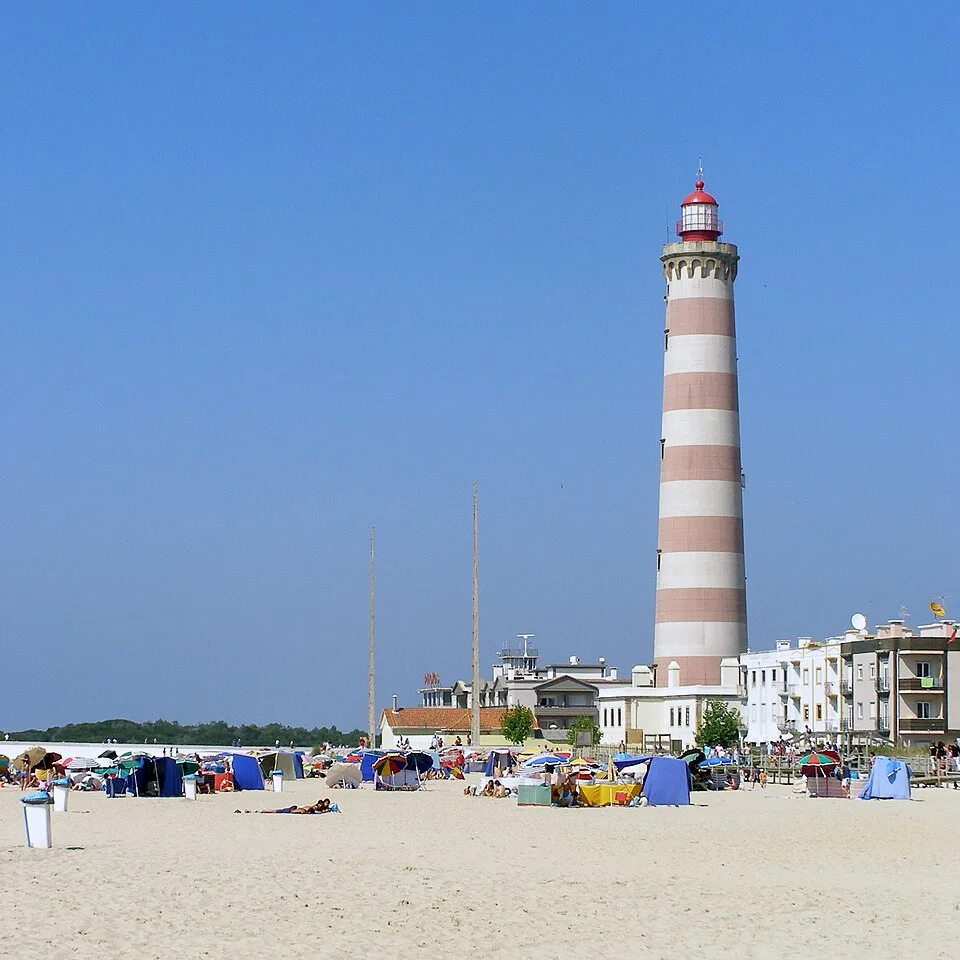
Close to Costa Nova, easy beach base
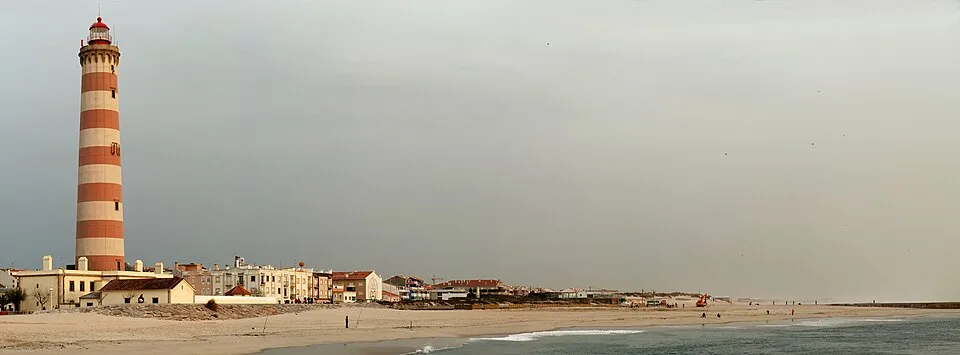
Barra is the livelier coastal option, with broad sand, surf energy, and the famous lighthouse. Best when the beach matters more than sleeping in the old centre.
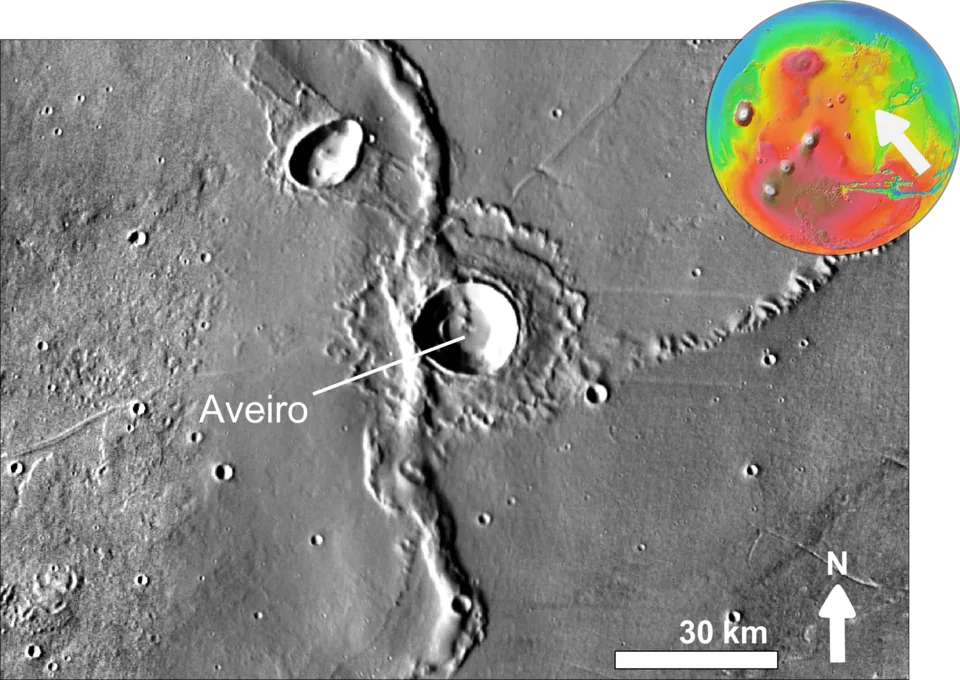
Just south of Aveiro
Quieter than central Aveiro, but still close to Barra and Costa Nova. It also connects naturally to the Maritime Museum and Vista Alegre.
If your trip is mostly canals, cafés, and easy dinners, sleep in central Aveiro. If the Atlantic is the point, Costa Nova or Barra will feel more right than forcing a beach day from town.
They sit next to each other, but they are not the same base: Costa Nova is more about the striped houses and ria-meets-sea atmosphere, while Barra leans broader beach, surf, and lighthouse energy.
Aveiro’s food runs on three ideas: oceanside seafood, the sweet essentials — especially ovos moles and Pão de Ló — and late-night central bar energy (especially around Praça do Peixe). The best meals tend to happen when you treat the city as a sequence: pastry stop first, fish or rice dish later, bars only after the square starts to wake up.
Plan an ovos moles or Pão de Ló stop early, before your appetite builds. Then come back for seafood or a regional rice dish once the market side of town is properly moving.
The restaurant cluster between the old neighbourhood and the fish market is strongest in the day. For nights out, shift to Praça do Peixe, Rossio, Alboi, and the salt-warehouse side once the late crowd starts to gather.
Aveiro is good for gifts that still feel rooted in place: sweets, salt, ceramics, and a few practical market detours instead of generic souvenir panic. The smartest buys are the ones that connect directly to the ria story you spend three days learning.
The obvious buy, but still the right one. Pick them up from a proper pastelaria near the centre rather than as a station-afterthought box.
The best edible souvenir. If you do the salt-pan chapter properly, buy locally produced flor de sal or sal de Aveiro there and skip the generic gift-shop version.
The polished regional purchase. Day three already takes you to the source, so this is where you buy something lasting if your budget allows it.
Mercado de Santiago is the practical produce stop. For city browsing, use Rua dos Combatentes da Grande Guerra and Avenida Lourenço Peixinho before falling back on Forum Aveiro.
The salinas land better once you have watched the geometry, wind, and labour behind them. Buying flor de sal afterwards feels like part of the story, not checkout filler.
Vista Alegre and salt make the strongest pair of take-homes. Save the serious shopping for the Ílhavo and salinas day rather than cramming it into your city-centre walks.
Aveiro is laid-back, but not sleepy. University life gives it a little cosmopolitan friction, while the older city still reads as salt-port, monastery town, and lagoon trading post all at once. The architecture layers convent façades, civic waterfront buildings, tiled houses, and later institutional façades in a way that still makes a short central walk feel varied and legible.
The moliceiros are not just decoration. They began as working boats for harvesting moliço from the lagoon, and they still make more sense once you have seen the salinas and the Ílhavo cod-fishing backstory. Santa Joana, São Gonçalinho devotion, sweets made from convent kitchens, and the persistence of local salt all belong to the same ecosystem rather than separate “attractions”.
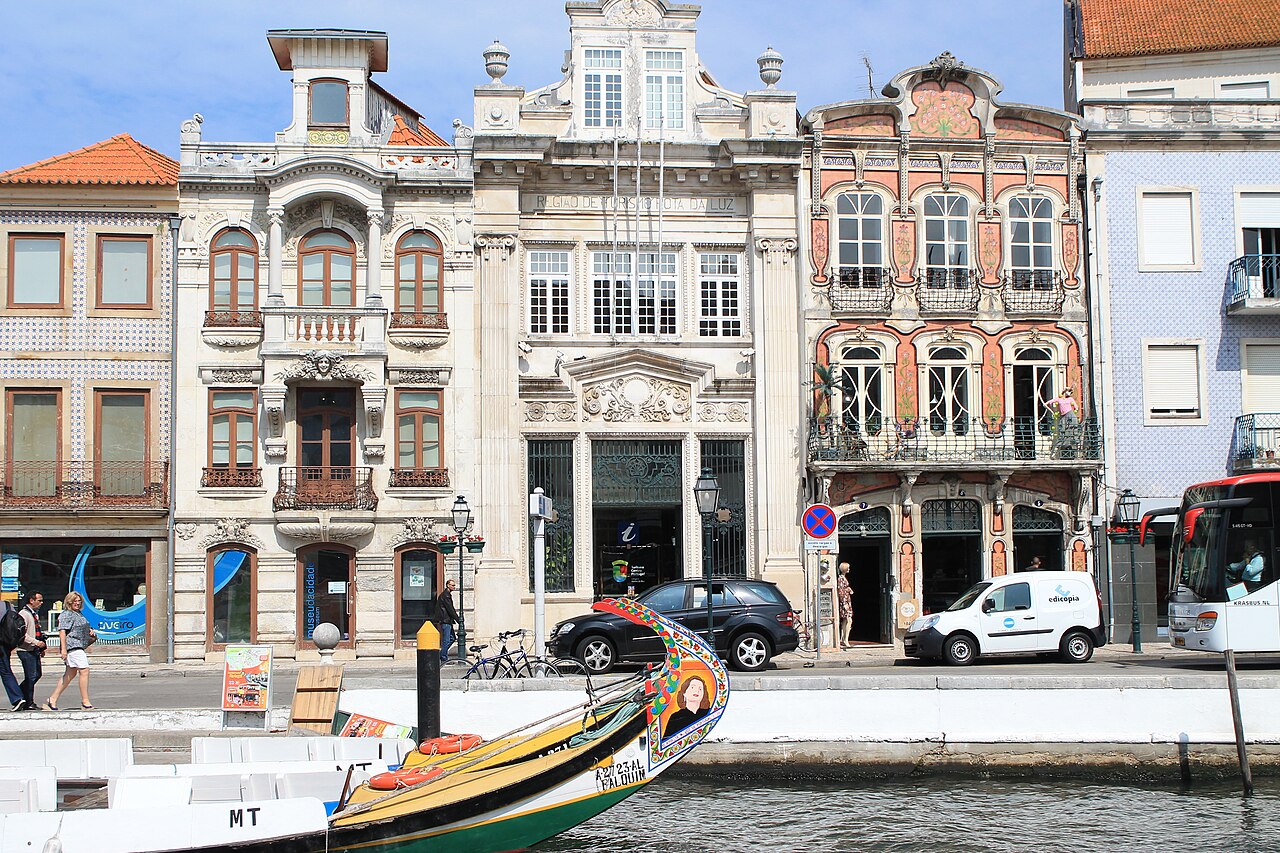
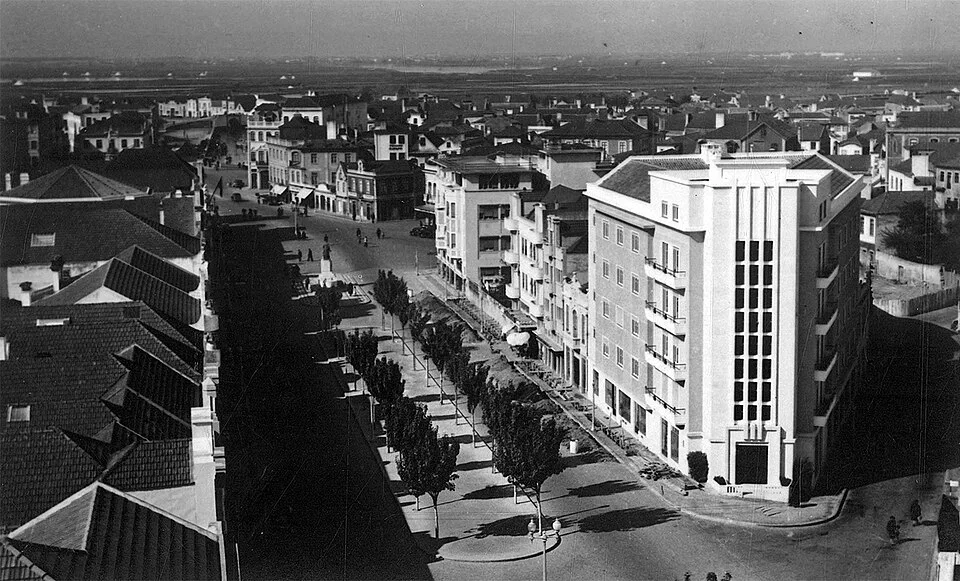
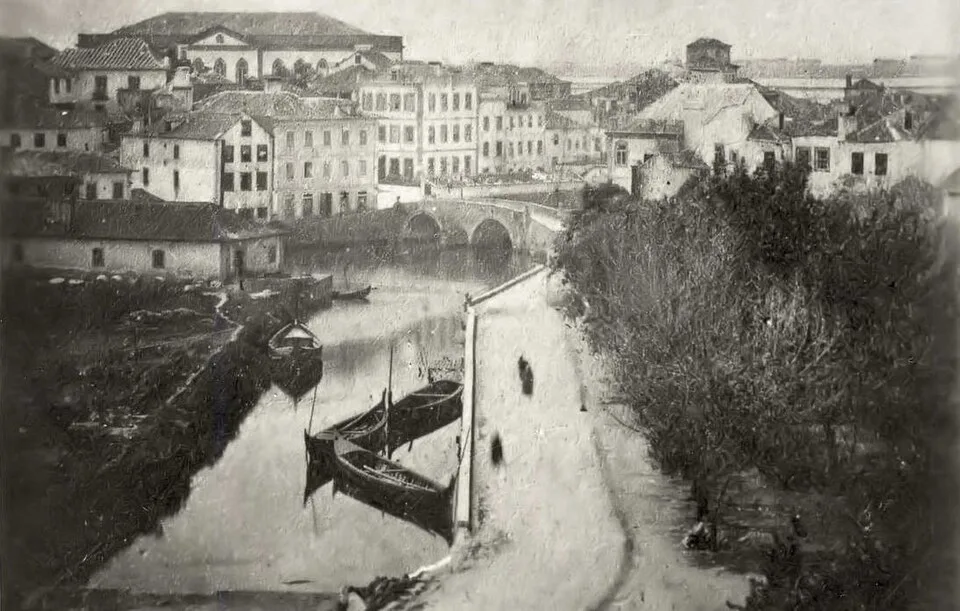
Aveiro is a comfortable base for Central Portugal. Easy rail and road connections make it simple to combine a day in the canals with a deeper day trip inland or along the coast. The best moves are the ones that keep the rhythm coherent: one rail city, one beach town, or one inland contrast.
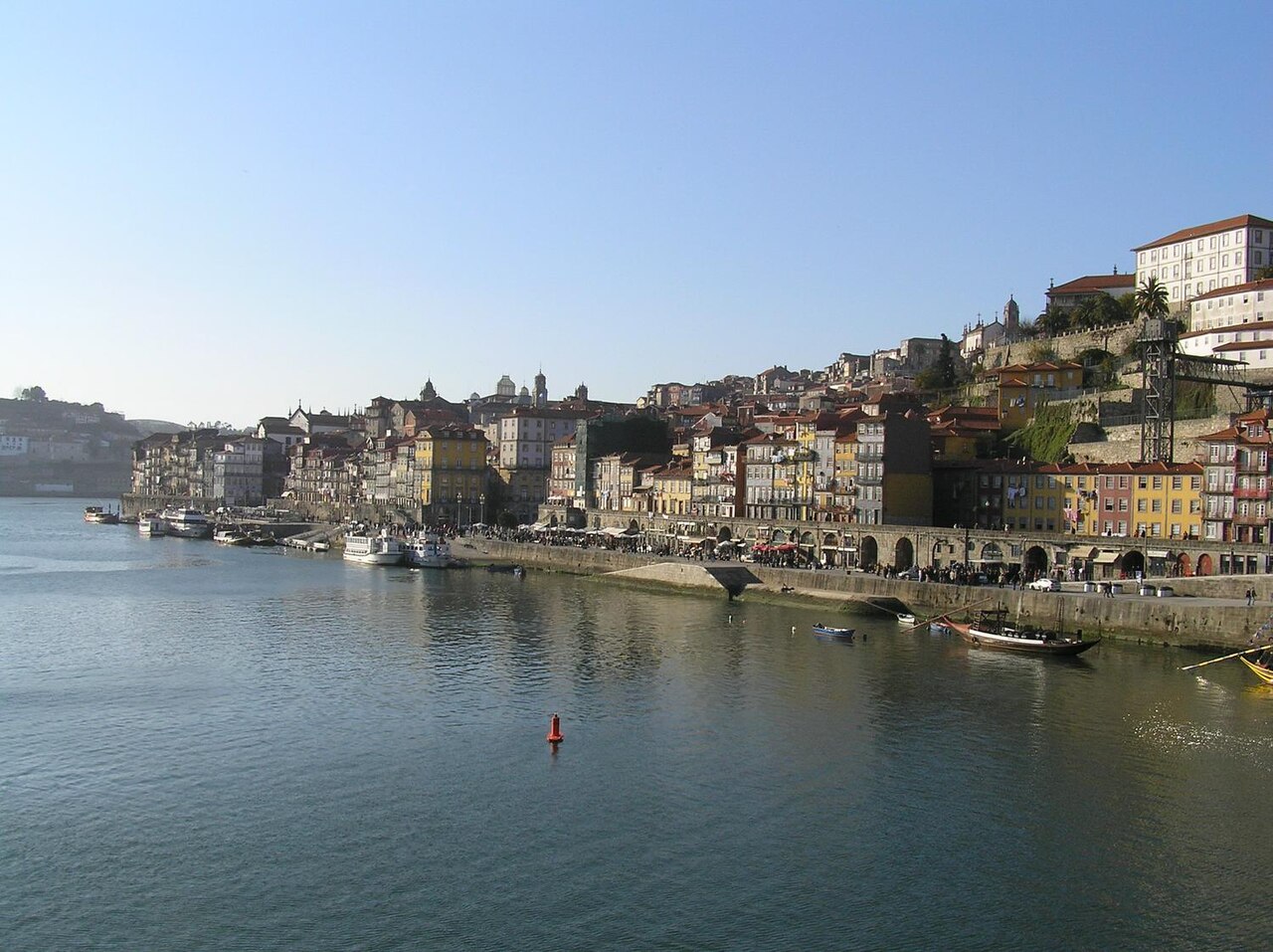
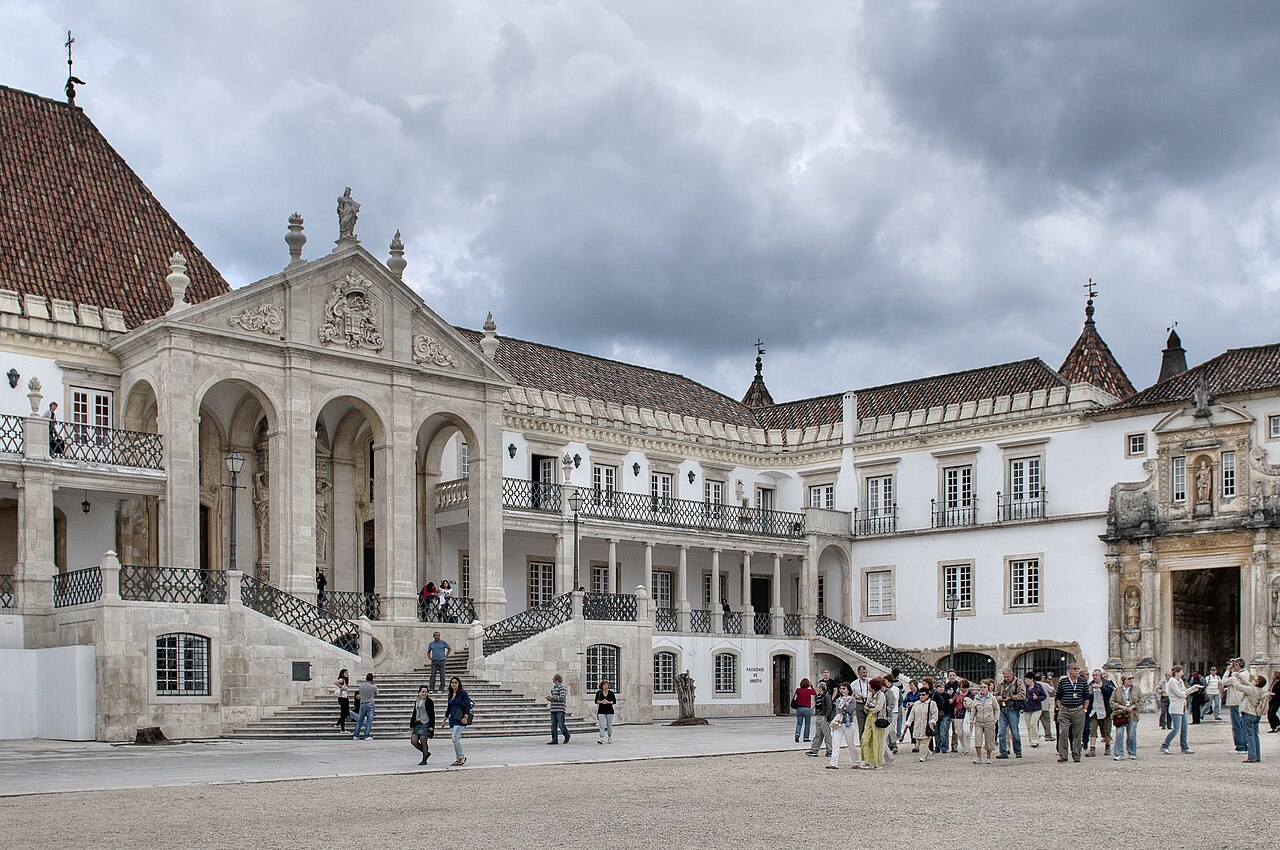

This guide is built on WikiVoyage, OpenStreetMap, and Wikipedia — open, community-verified travel data with no commercial interests or sponsored placements. Editorial voice, curation, and itinerary structure by Planark. Photos from Wikimedia Commons and Unsplash under open licence.
Prices, opening hours, and entry requirements change without warning. Always verify time-sensitive details before you travel — especially for restaurants, museum free days, and transport.
Spot something wrong, or have a better recommendation? Send a correction →