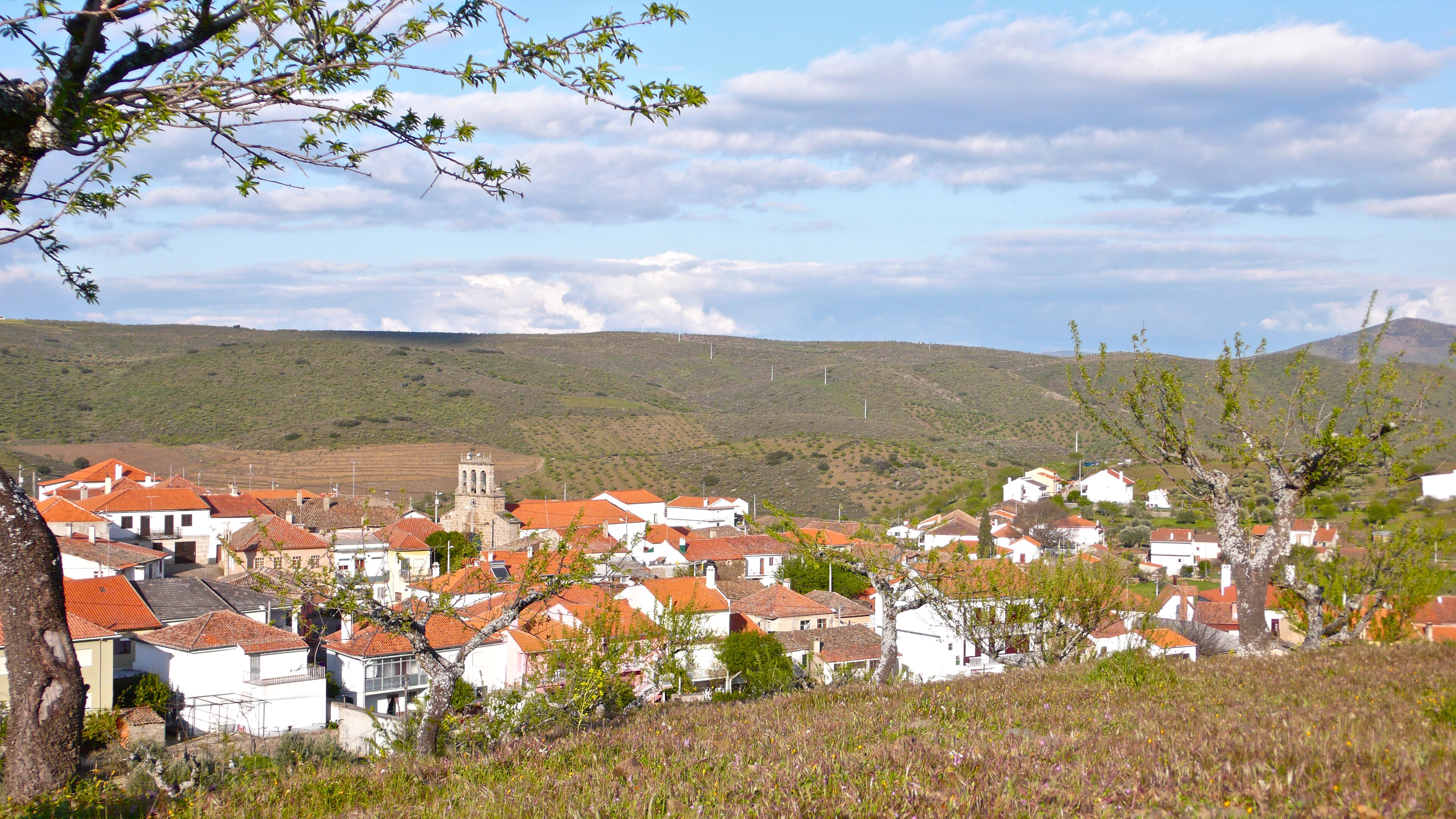
Steep vineyards, train-window river bends, baroque shrine towns, and the
bottle that made northern Portugal famous.
Introduction
This is the Douro Portugal sells in its most cinematic mood:
terraces stacked above a river that twists like it knows it is being
photographed, small stations on the Linha do Douro, whitewashed
villages clinging to slopes, and quintas that turn vineyard labour
into ritual. If Porto is where people first order a glass, the Douro
Valley is where the geography finally explains the price.
We are focusing this guide on the river valley itself and its
immediate wine-country orbit, borrowing from the wider
Trás-os-Montes e Alto Douro region where it helps
the trip make sense. That means Peso da Régua,
Lamego, Vila Real,
Alijó, Sabrosa,
São João da Pesqueira, and
Vila Nova de Foz Côa matter more here than Porto or
Gaia. This is less city-break energy, more scenic line, long lunch,
and one more viewpoint than you planned.
3–4 days
Ideal stay
Régua
Best base
Train + car
Best combo
UNESCO
Wine landscape
When to go
The Douro is strongest from late spring to early autumn, when the
river viewpoints, vineyard terraces, train rides, and long quinta
lunches can all sit in the same day without too much weather
negotiation. May, June, September, and early October are the
cleanest months for most trips: warm enough for slow outdoor days,
but usually easier than the peak heat of deep summer.
July and August bring the brightest, driest version of the valley,
but they can also feel very hot on exposed viewpoints and vineyard
roads. If you travel then, start early, keep the middle of the day
for lunch or cellar visits, and avoid building an itinerary that
depends on too many uphill walks after noon.
Harvest season, usually September into early October, is the most
atmospheric time if wine is the point of the trip. Winter and early
spring are quieter and greener, with a moodier river and fewer
crowds, but rain can make scenic drives and viewpoint-hopping less
reliable, so keep the plan flexible.
Highlights
This works better as a list of actual sights than as a list of
towns. These are the six things that explain the Douro Valley
fast: the UNESCO terraces, the sanctuary climb, the palace detour,
the prehistoric east, the river train, and one properly chosen
quinta lunch with a viewpoint attached.
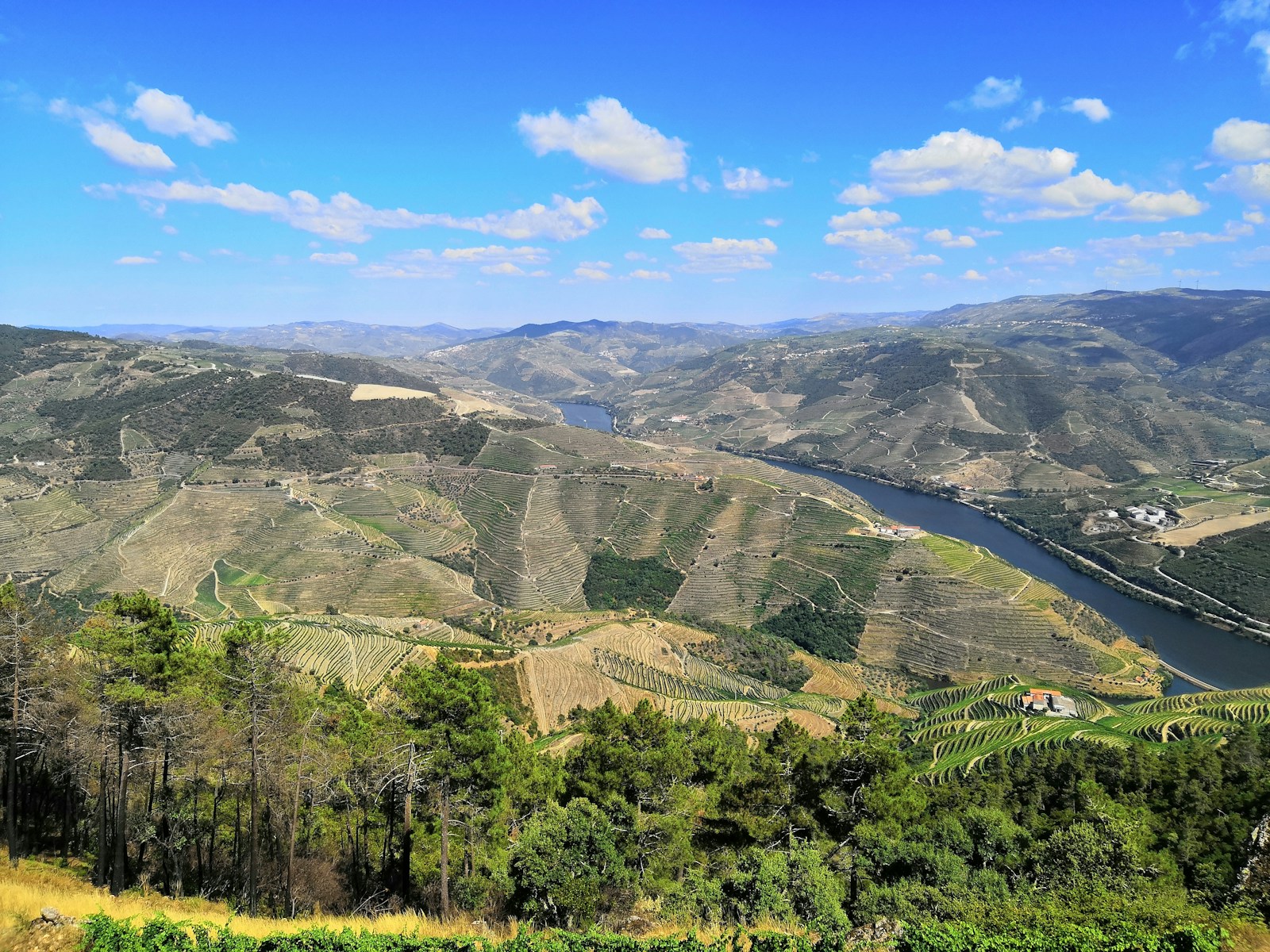
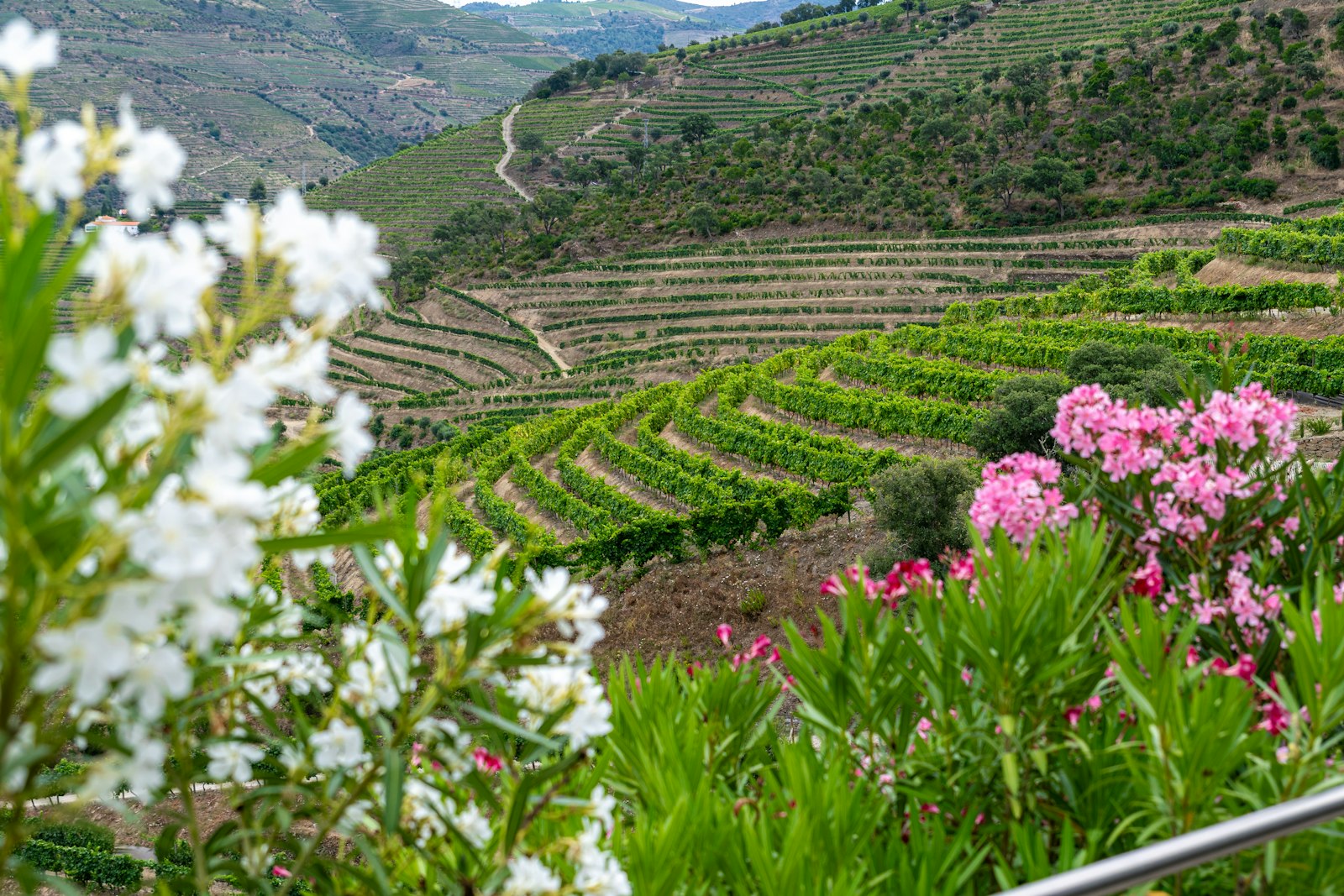
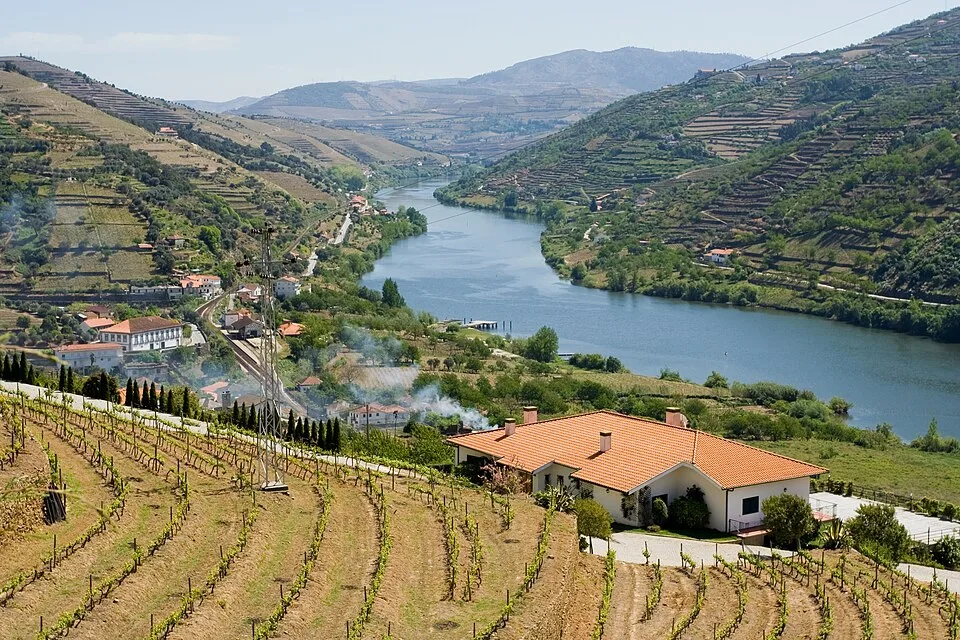
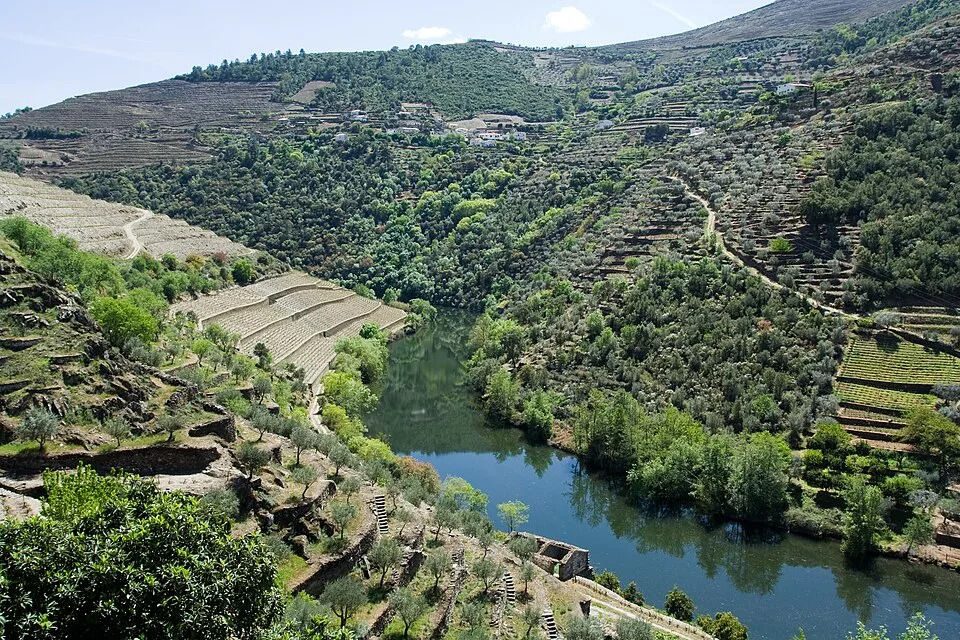
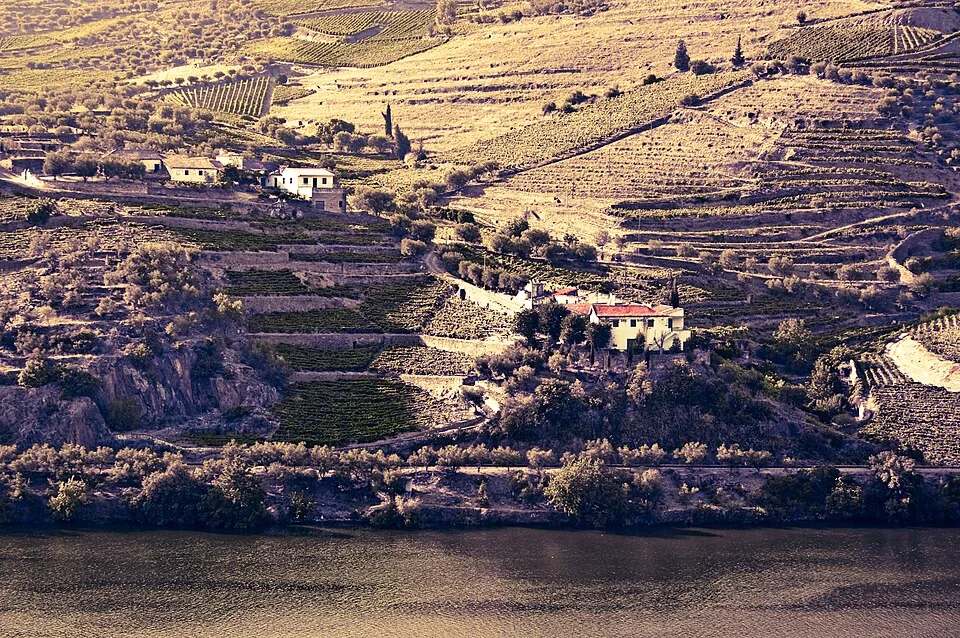
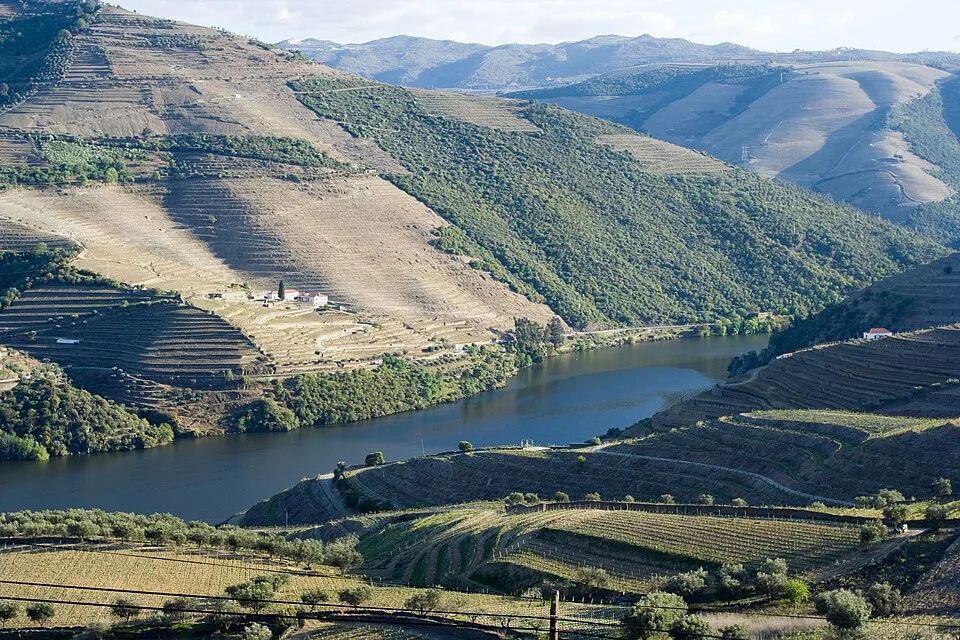
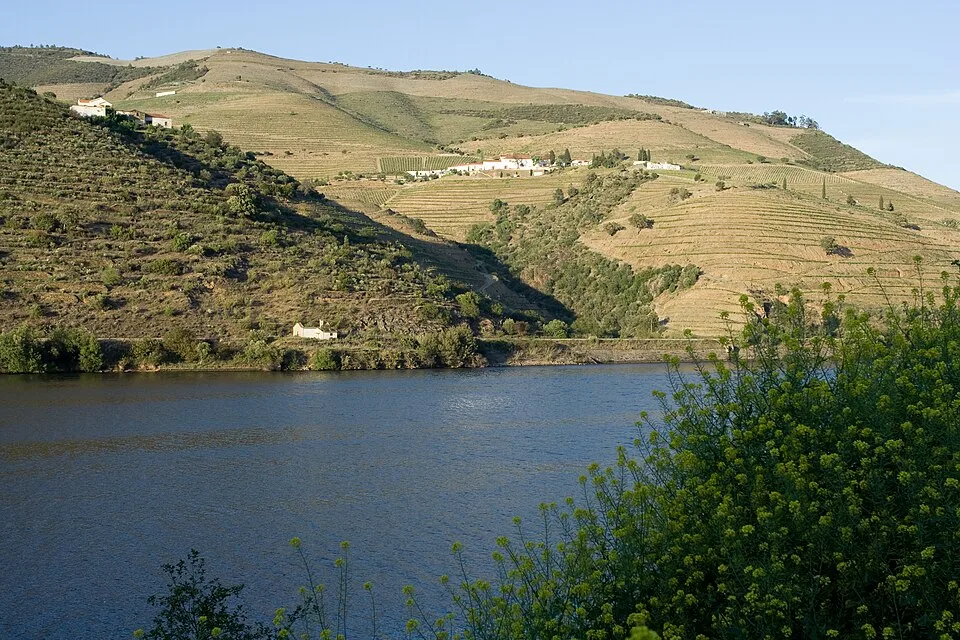
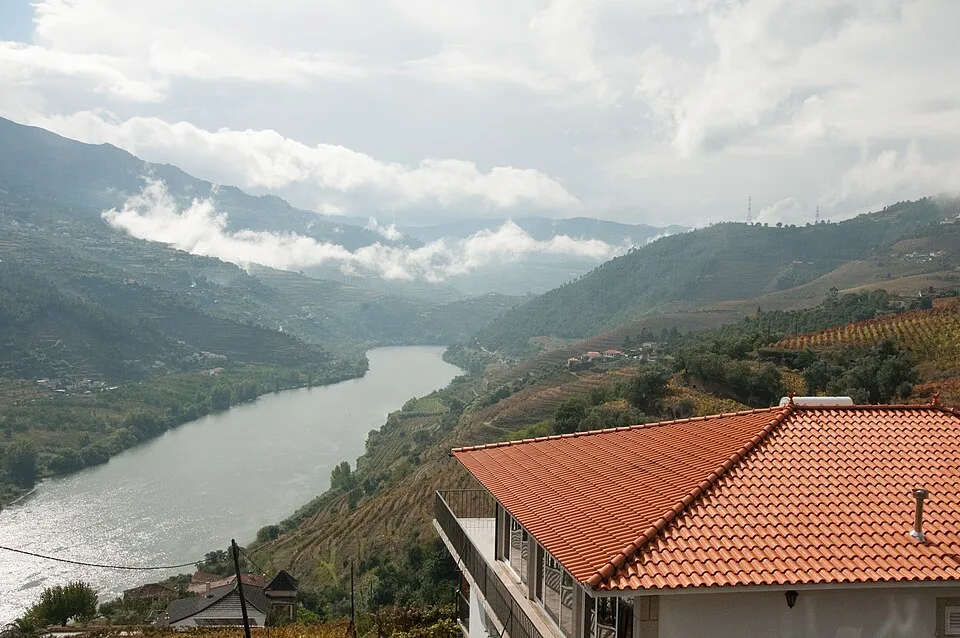
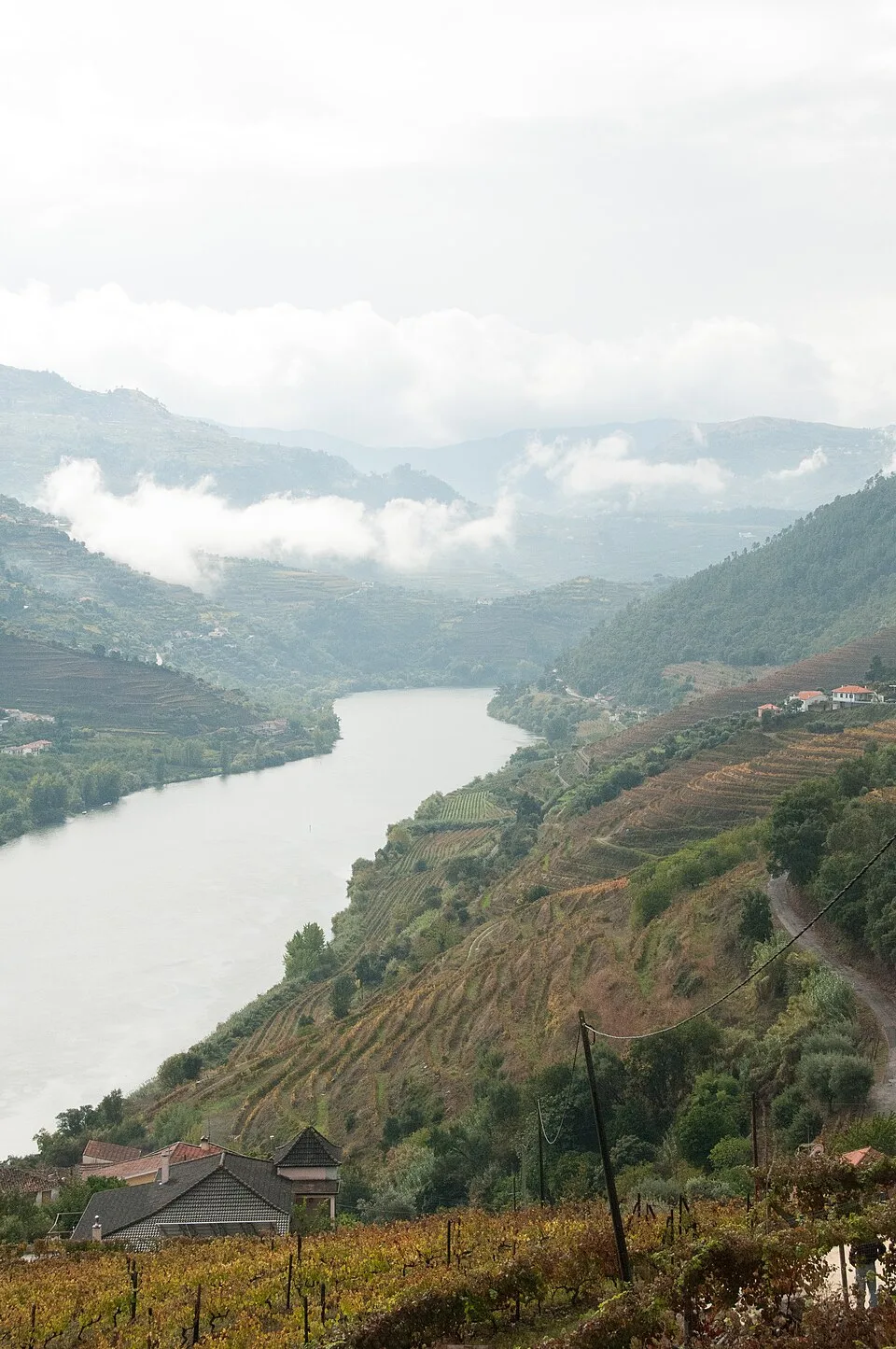
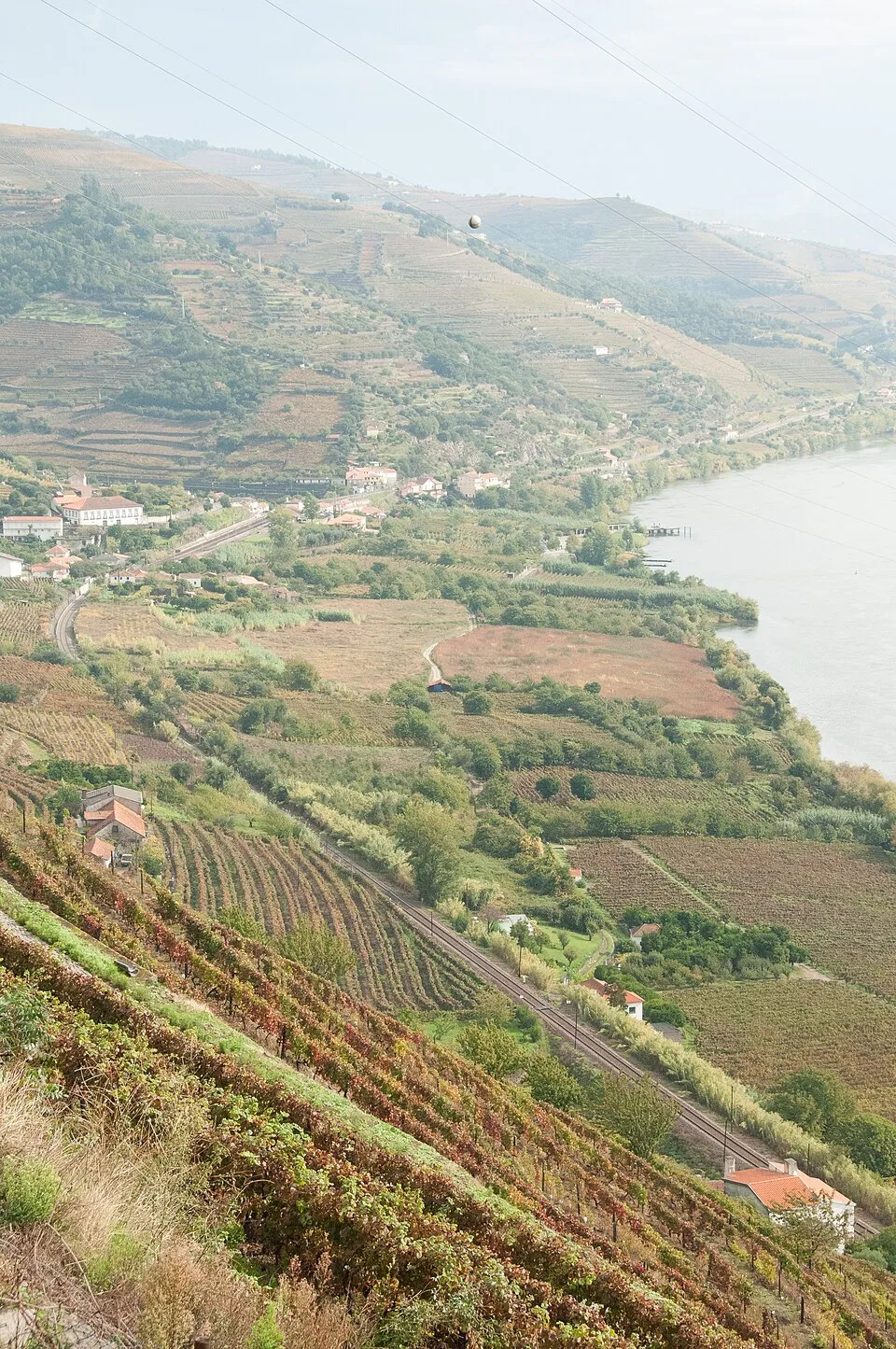
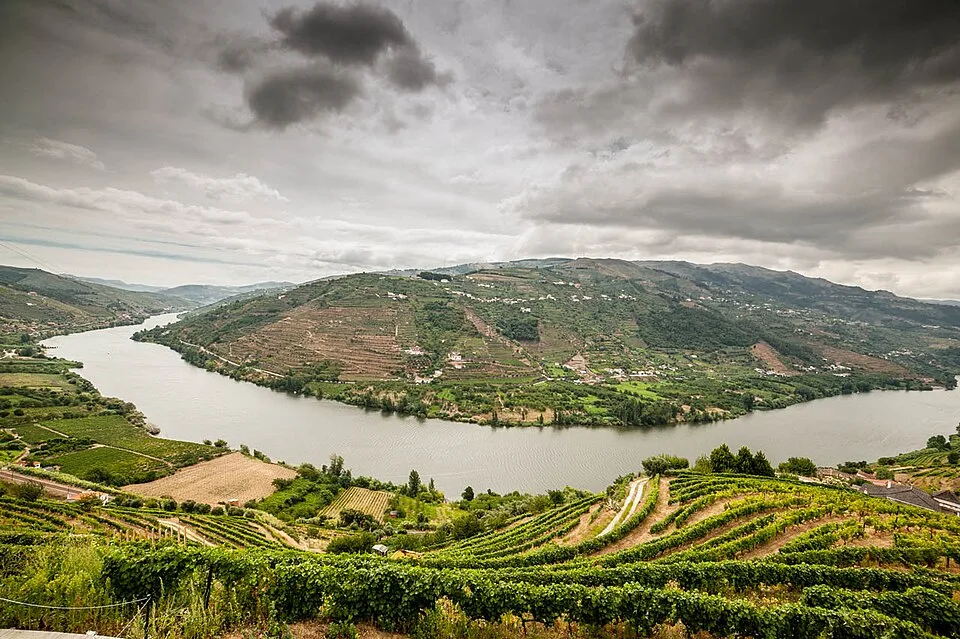
The Douro’s whole pitch in one frame: terraces, river bends, and
slopes that look engineered by obsession.
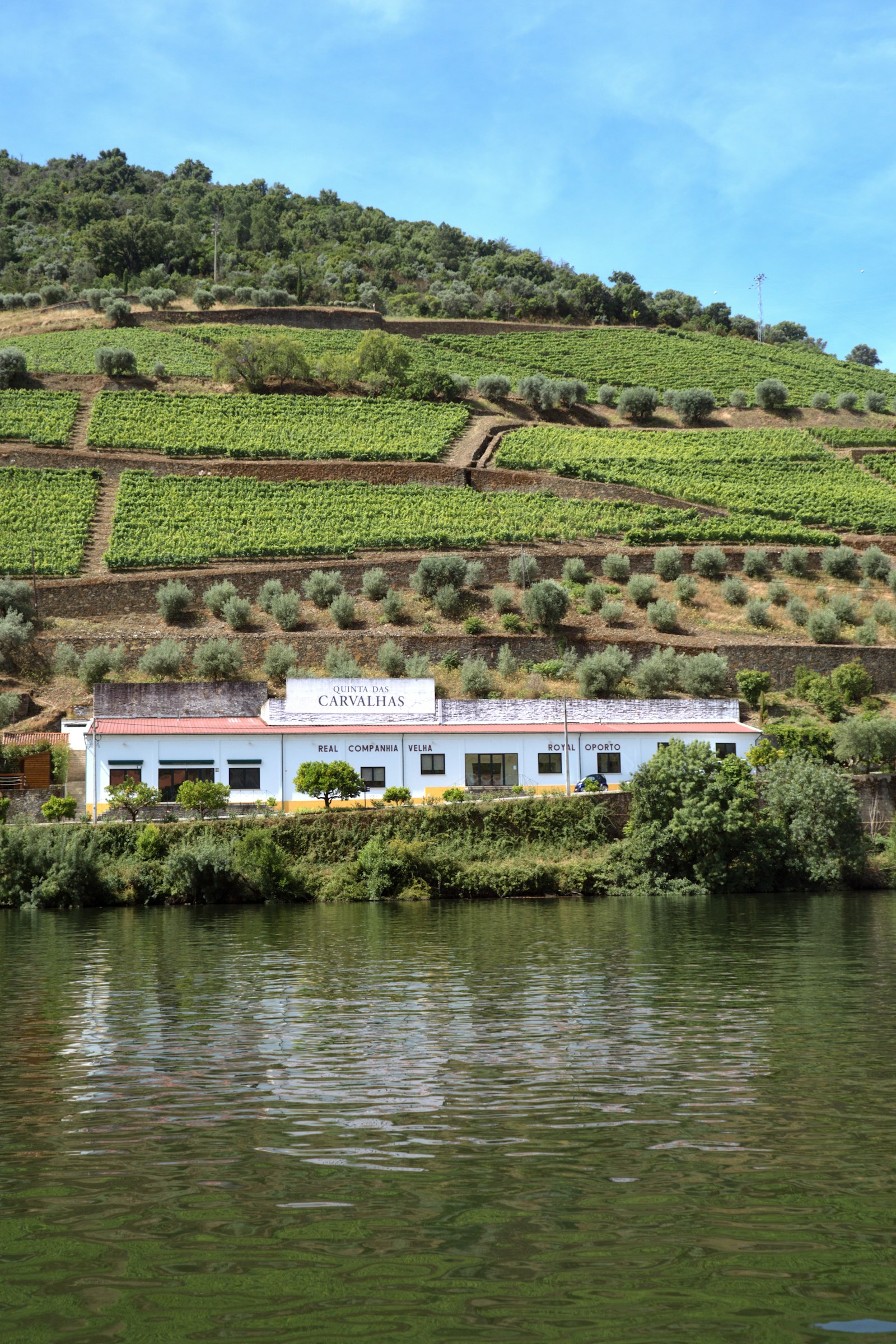
Alto Douro terraces
UNESCO wine landscape · the main event
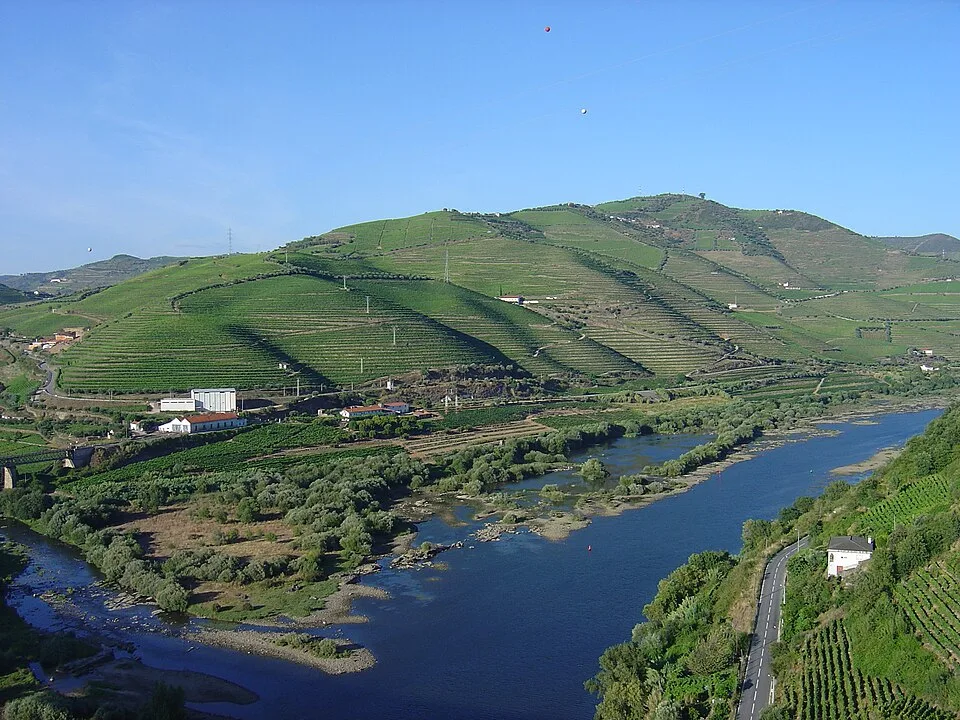
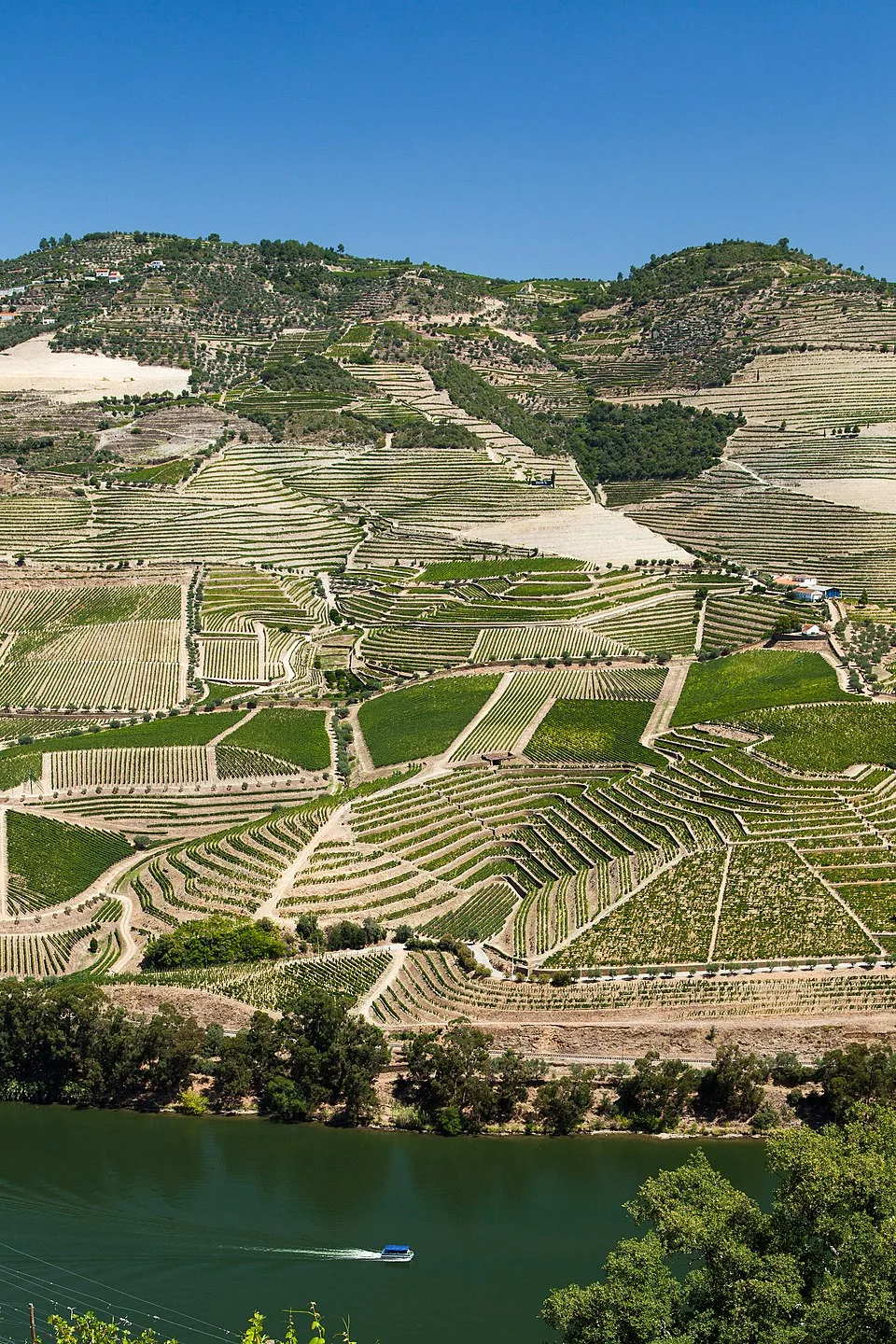
The valley’s real headline is the terraced vineyard landscape
itself: dry-stone walls, impossibly steep slopes, and a river
that makes every bend look composed rather than accidental.
Landscape
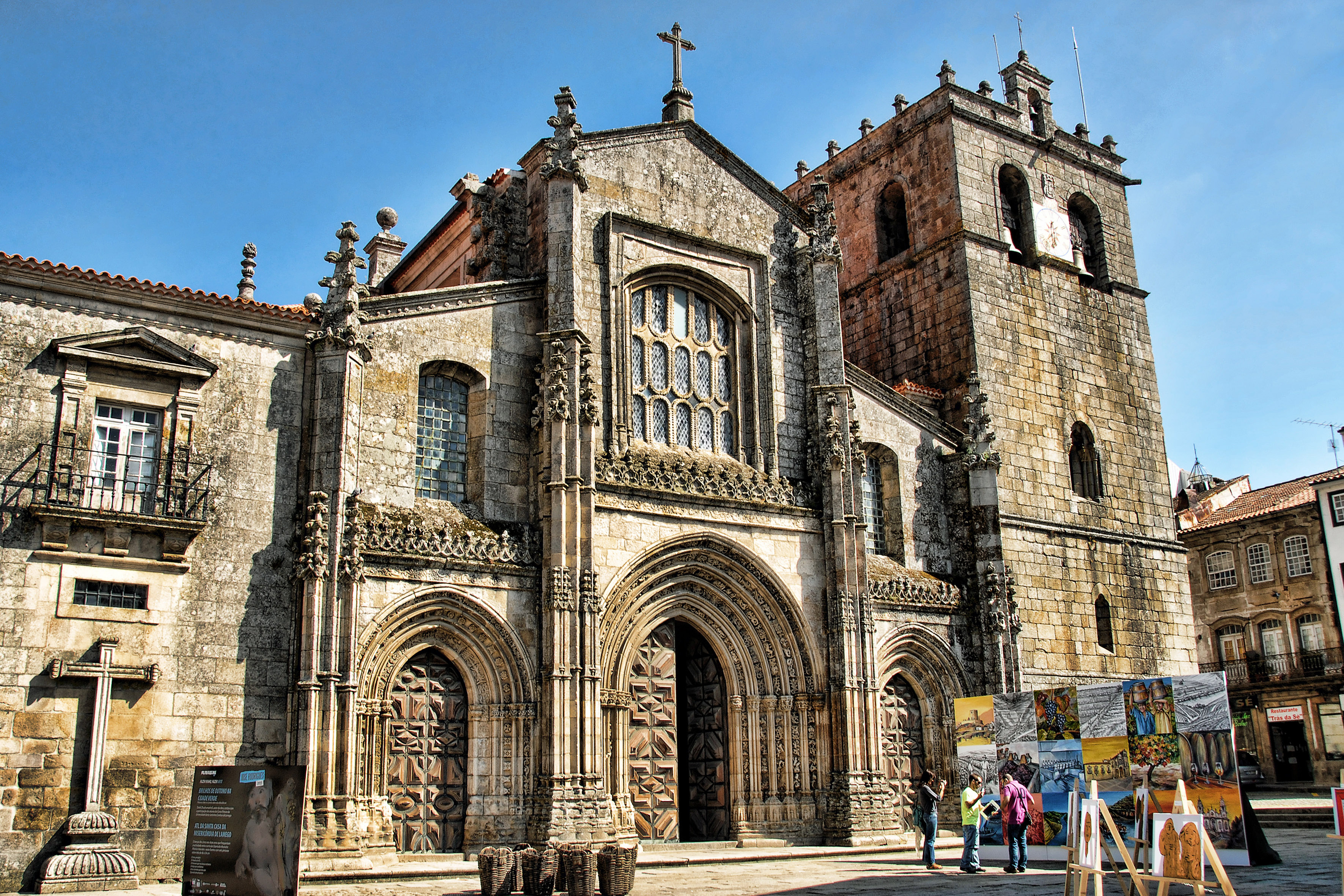
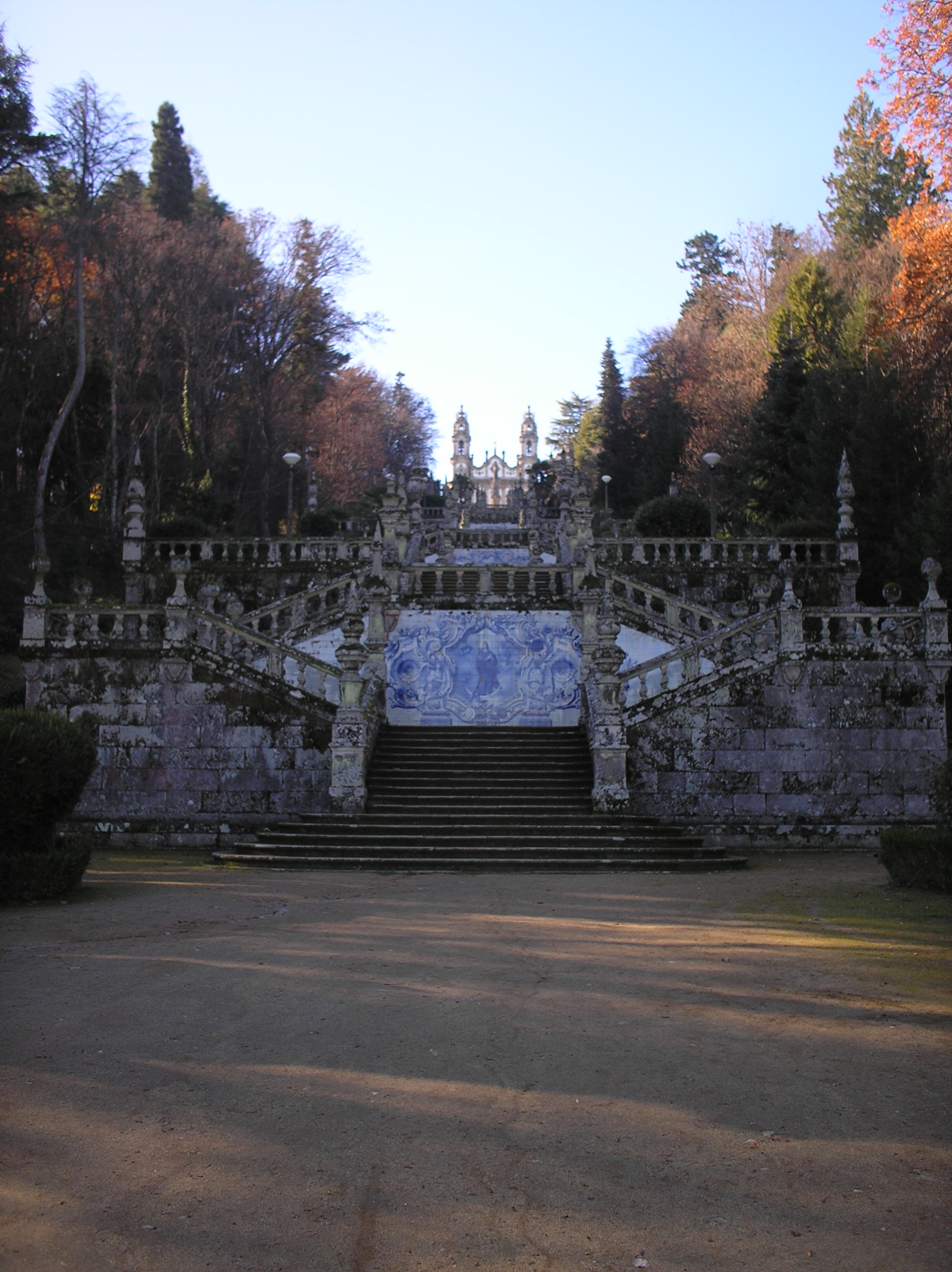
Nossa Senhora dos Remédios
Lamego · baroque stairway climb
The valley’s grand theatrical ascent: azulejos, terraces,
fountains, and a sanctuary that makes arriving on foot feel
morally superior to everyone who drove.
Monument
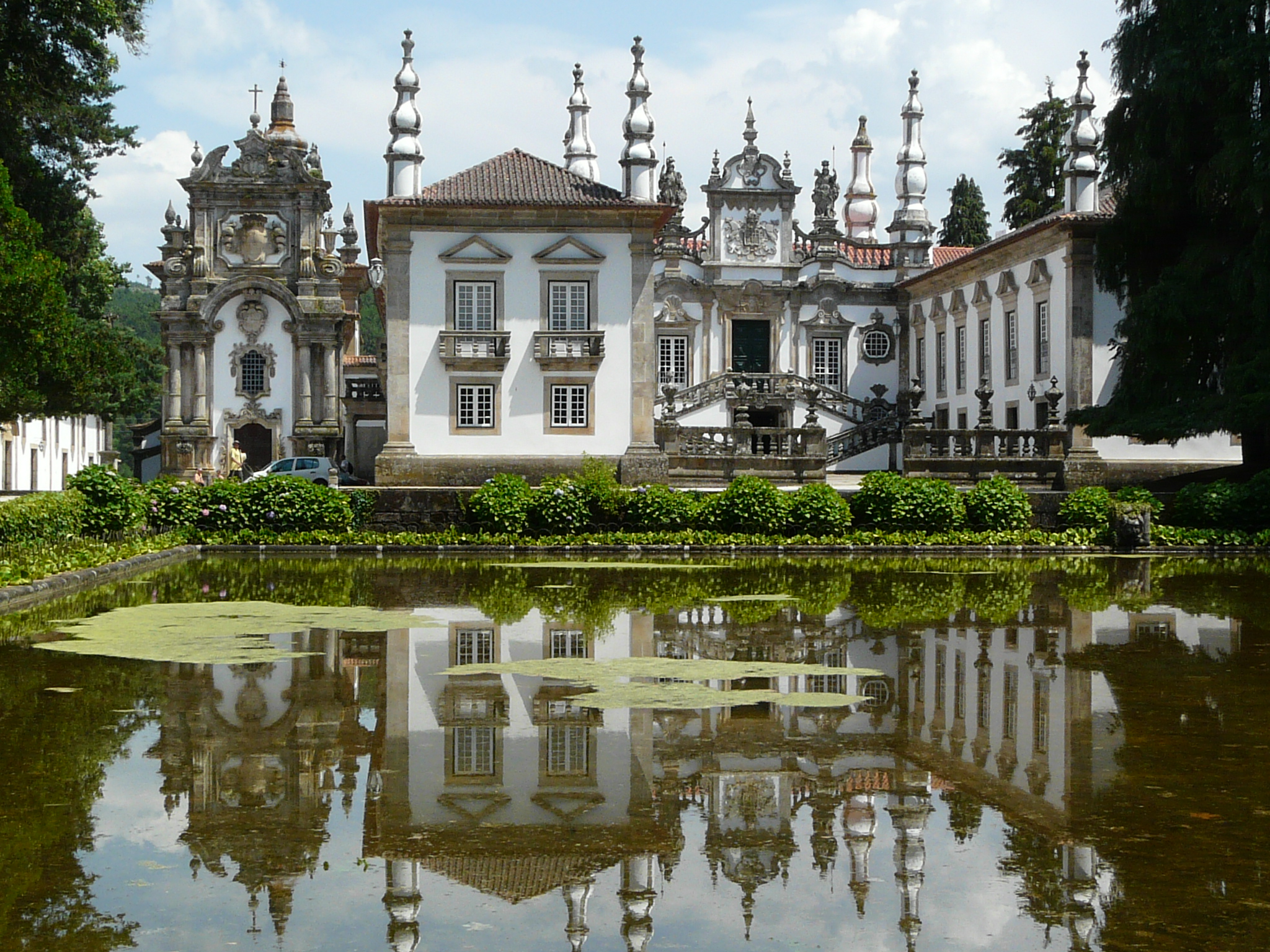
Palácio de Mateus
Vila Real · the elegant detour
A baroque façade, mirrored pools, and enough symmetry to reset
your eye after all the messy, beautiful slopes. This is the
valley’s polished side, and it knows it.
Architecture
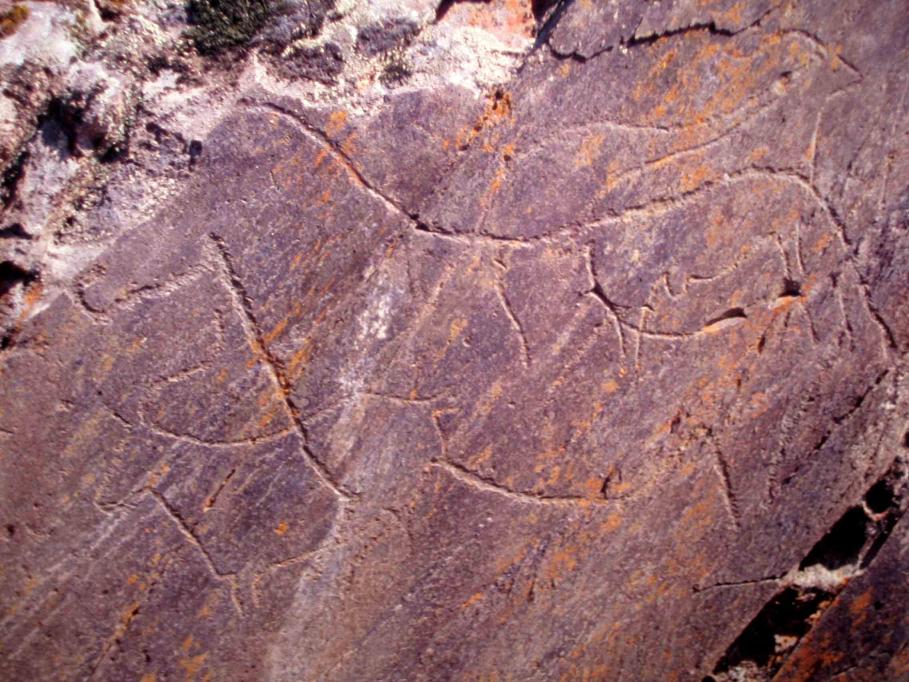
Côa Valley rock art
Foz Côa · prehistoric UNESCO site
The eastern trump card. Prehistoric engravings in open air
rock shelters turn the trip from scenic indulgence into
something older, harsher, and far more intellectually
satisfying.
UNESCO
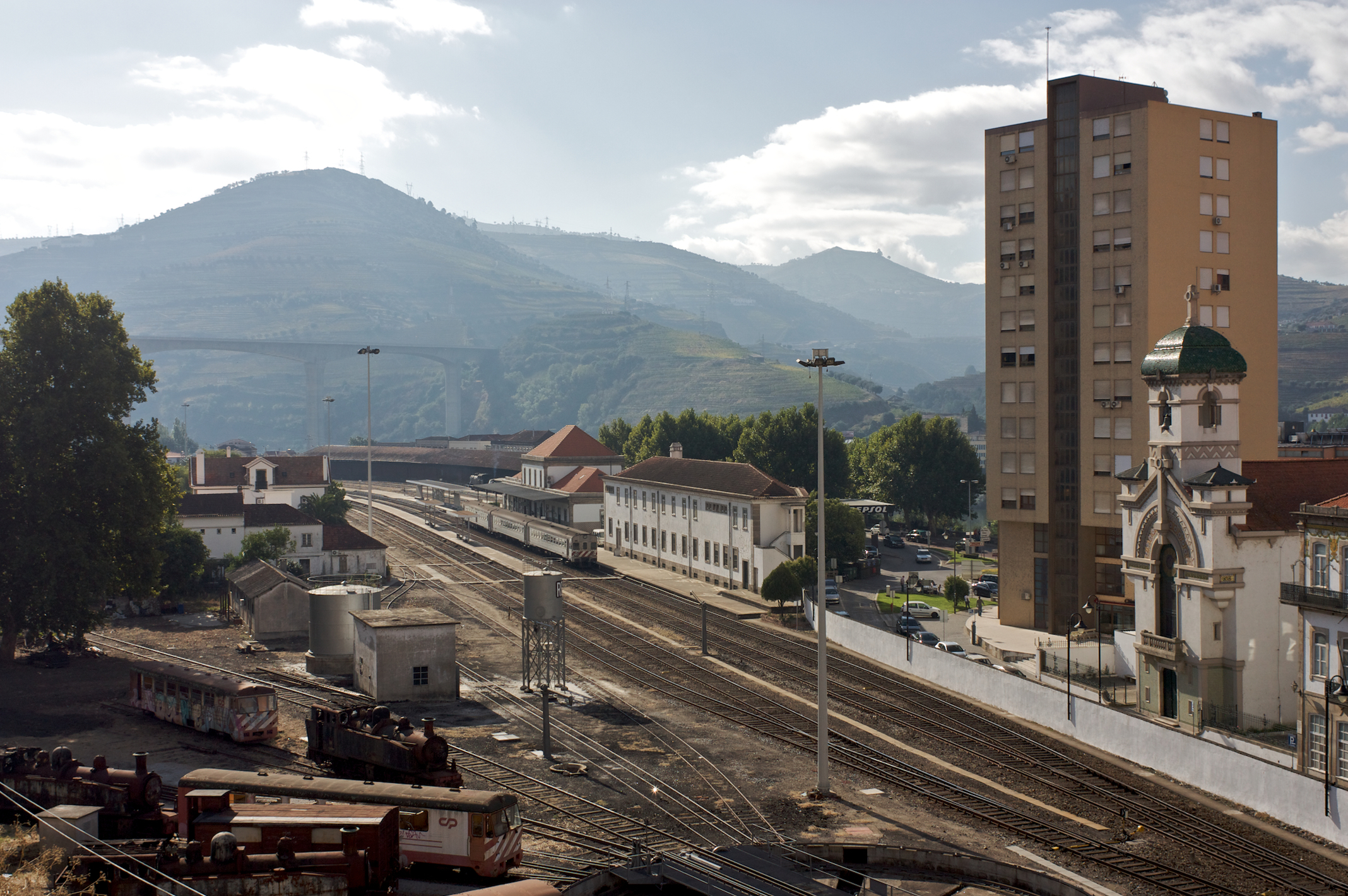
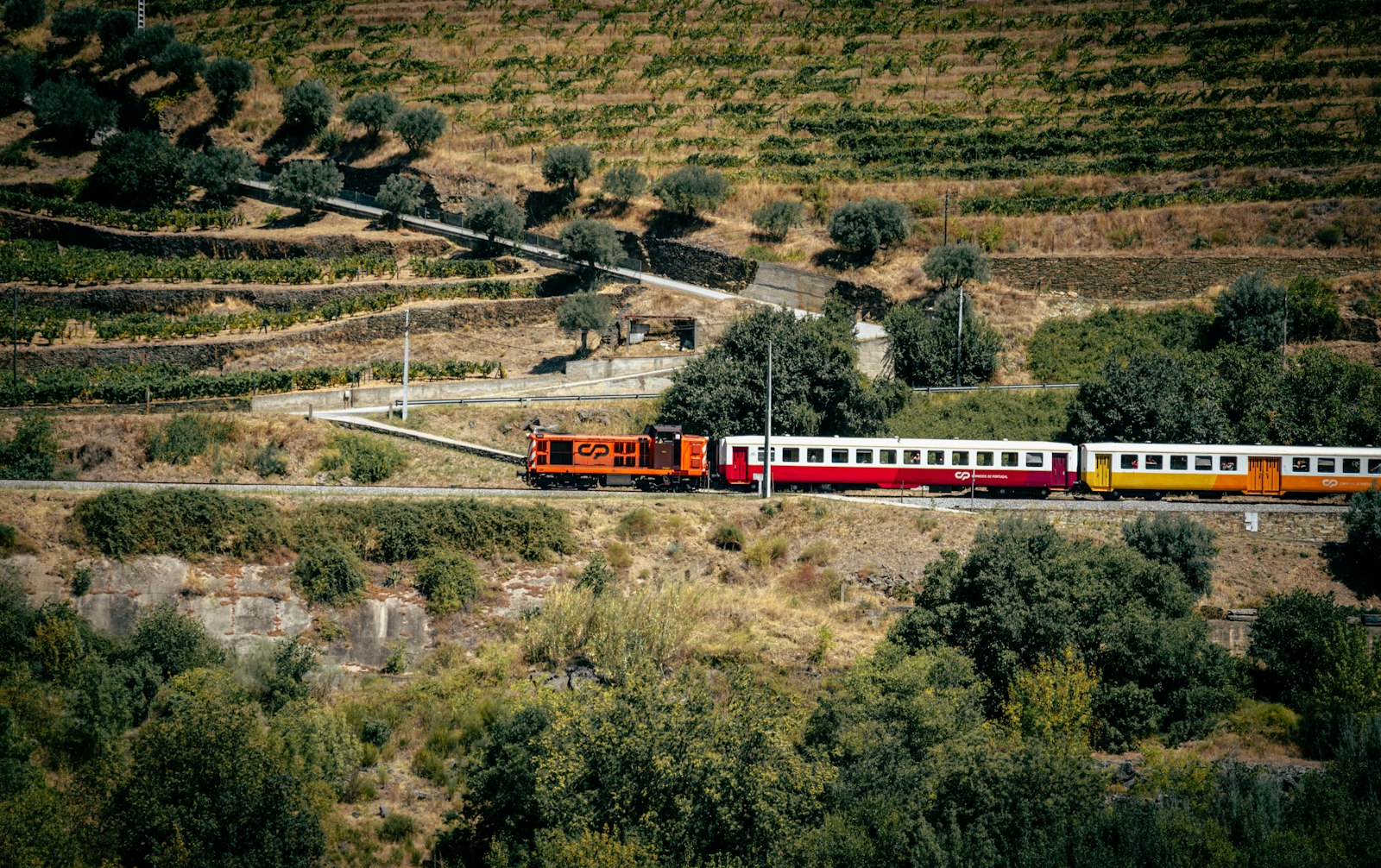
Linha do Douro
Rail journey · Porto to Pocinho
Not just transport, a proper sight in motion. The train shows
you retaining walls, river bends, and tiny stations with a
kind of patience that cars never manage.
Scenic rail
Quinta lunch + miradouro
Alijó · Sabrosa · Pesqueira country
The most Douro highlight of all is not one address but one
sequence: estate tasting, long lunch, then a miradouro where
everyone goes quiet for a minute and pretends they’re not
impressed.
Quintas
On the map
Follow the four-day valley arc from Régua to Foz Côa. The numbered
stops match the itinerary below: a practical river base, Lamego’s
monuments, Pinhão’s wine country, the high-valley ridge, and a
wilder archaeological finish in the east.
Towns & bases
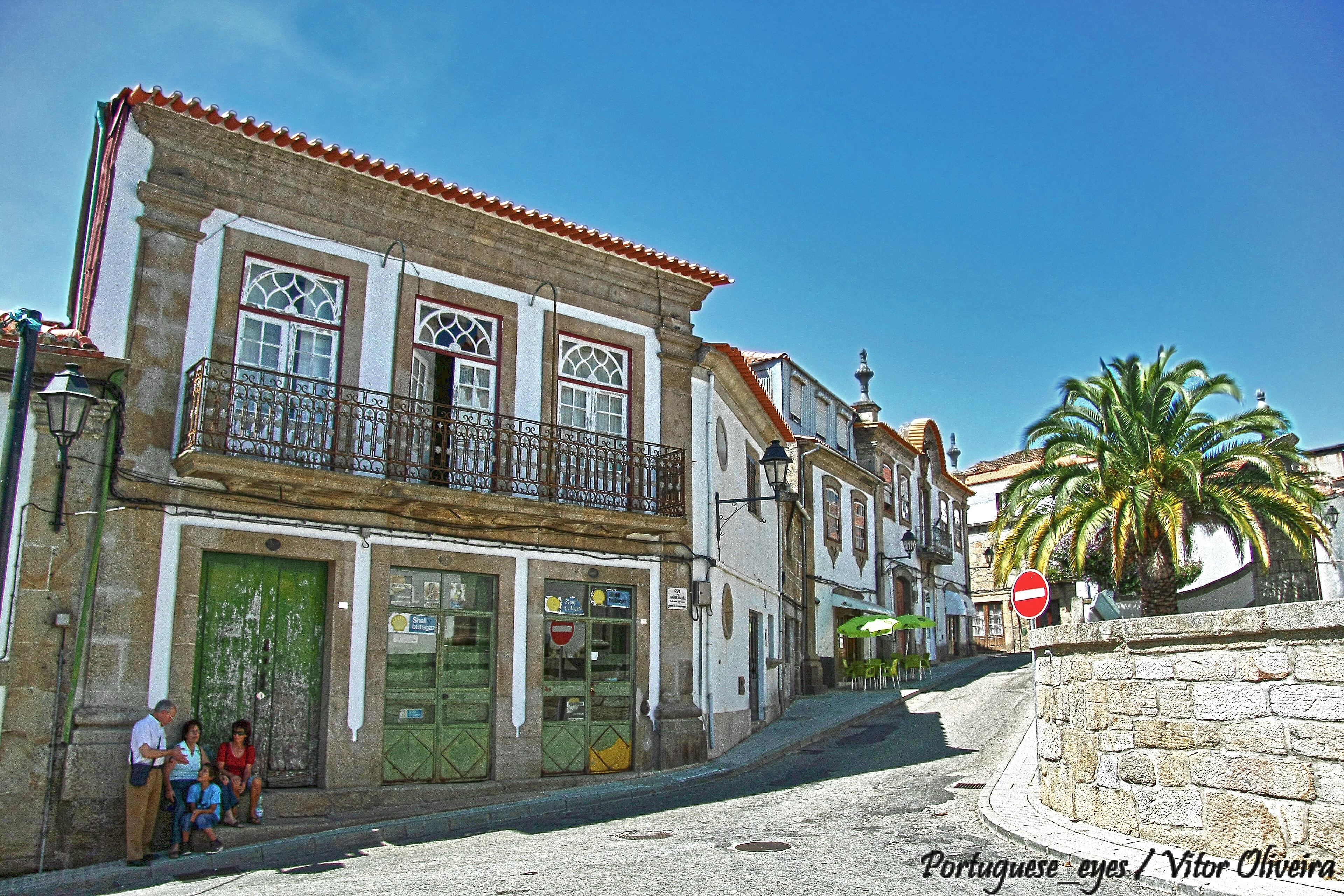
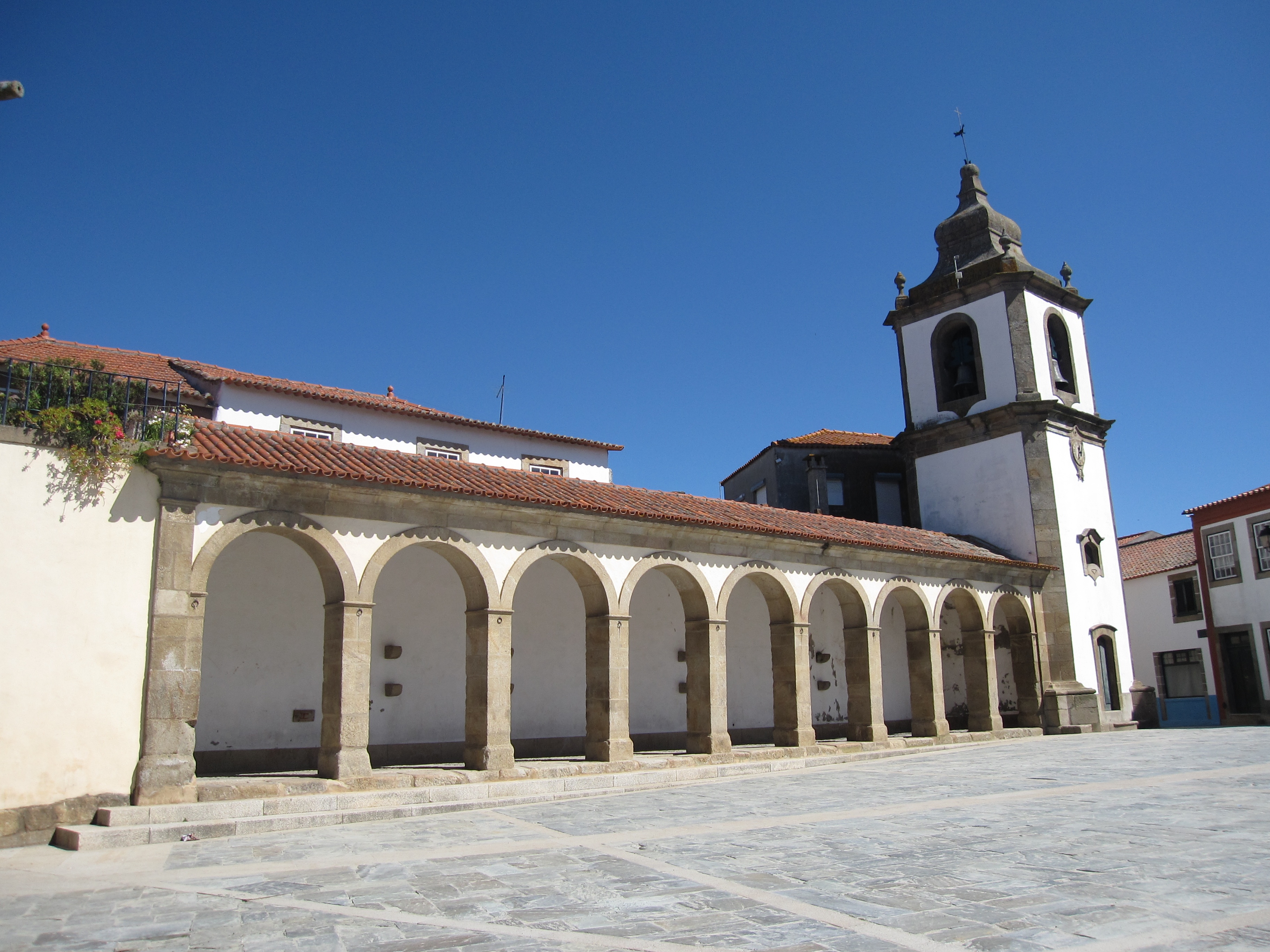
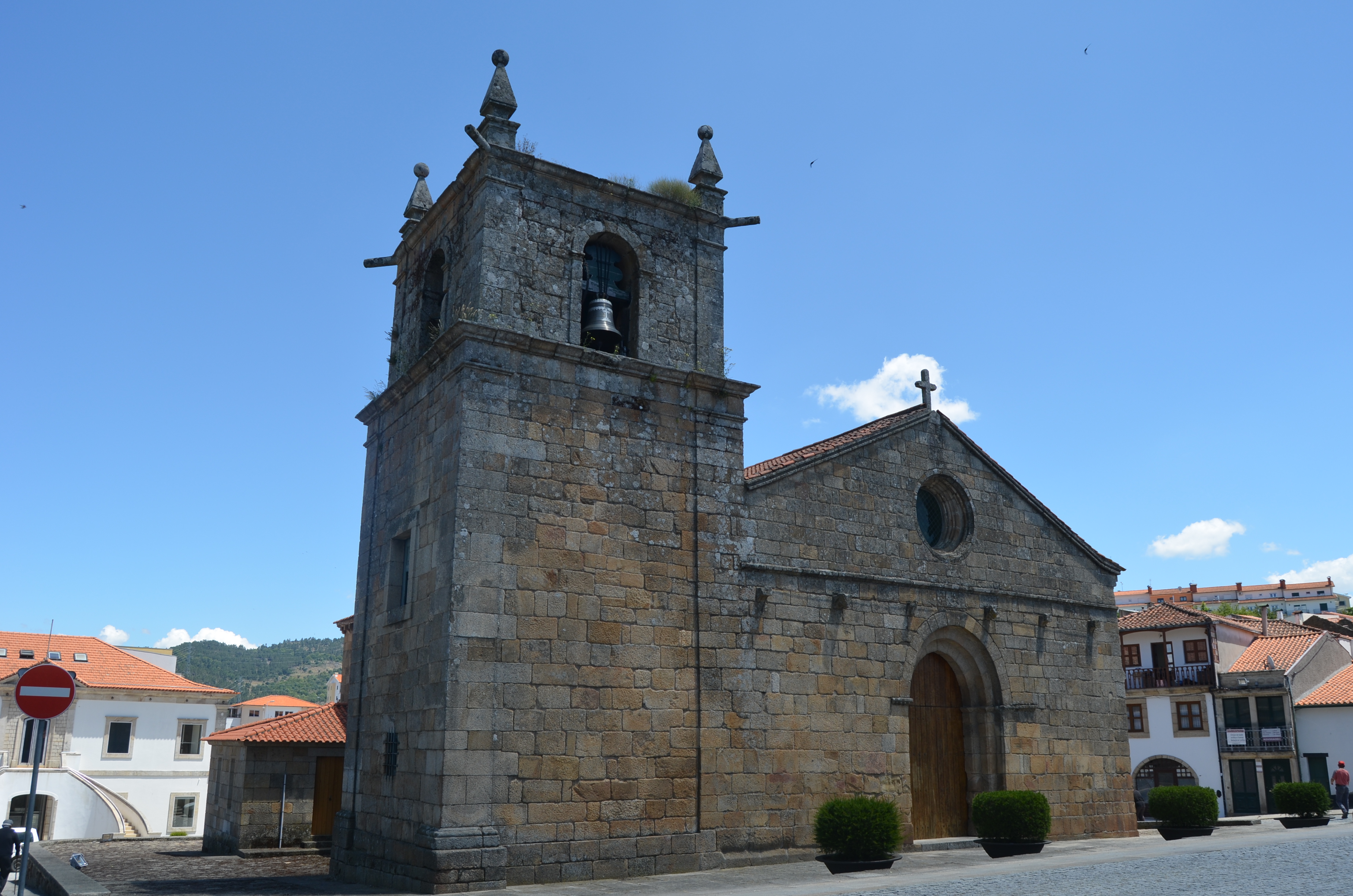
The wider Wikivoyage region is huge, but for a Douro-focused trip
these are the towns that matter most. Think of them as a chain
rather than competitors: one for logistics, one for scenery, one for
monuments, one for deeper eastward exploration.
Peso da Régua
The practical base for first-timers: riverfront station, easy
road access, port-wine context, and the kind of location that
lets you improvise tastings without getting stranded.
Best base
Lamego
An ancient hill town with the sanctuary stairway everyone
photographs, plus enough ecclesiastical drama to make the
valley feel older than the wine trade.
Historic town
Vila Real
Gateway city on the northern side of the valley, best known
for Palácio de Mateus and for making the region feel like
lived-in northern Portugal rather than pure postcard.
Gateway city
Alijó
One of the core wine-country municipalities, with megalithic
traces, castros, and back-road access into the oldest
demarcated vineyard landscape in the world.
Wine country
Sabrosa
Small, rural, and well placed for wine-estate drives. Also
claims Ferdinand Magellan, which is an unexpectedly strong
flex for a quiet valley town.
Rural base
São João da Pesqueira
High-ridge wine town with a museum and a more contemplative
feel than Régua. Good if you want less bustle and more
horizon.
Ridge town
Armamar
More agricultural than glamorous, known for apples, cheeses,
sausages, and the kind of local produce that makes valley
lunches feel serious.
Farm country
Vila Nova de Foz Côa
The eastern anchor for the Côa Valley rock art. Less
wine-weekend chic, more archaeological payoff and stark
landscape.
Archaeology
Itinerary
The valley works best when each day has one strong shape. Don’t try
to conquer it all in a blur of winery bookings. Give each stretch a
mood and let the river do some of the scheduling for you.
Douro Valley arc
Recommended: 4 days · 18 stops
Régua → Lamego → Pinhão → Pesqueira → Foz Côa
Best at
4 daysTrain
firstLong lunch
energyMiradouro-heavy
5 stops · ~8 hours · easy valley opener
Use the first day to understand the valley before you start trying
to optimize it. Start in Régua, let the river and museum give you
context, then climb to Lamego for the architectural payoff.
Morning
09:0045m
Régua riverfront coffee
45mCafé
Peso da Régua · station + river edge
Soft startBase yourselfMorning light
6 min walk · 450m
10:001h 15m
Port wine museum or station stroll
1h 15mContext
Régua centre · get the backstory first
ContextGood for first-timersLow effort
Lunch
12:301h 30m
Aneto & Table lunch
1h 30mLunch
Peso da Régua · easy station-side lunch before the climb
Actual restaurantWine by the glassSet the pace
8 min drive · 3.2 km
Afternoon
15:001h 30m
Lamego sanctuary climb
1h 30mMonument
Nossa Senhora dos Remédios · stairway + shrine
Classic stopBaroque dramaEarn dinner
22 min drive · 13 km
Dinner
18:302h
Castas e Pratos dinner
2hDinner
Peso da Régua · best all-round first-night table
Actual restaurantSecond glass onlySleep early-ish
This is the classic wine-country day: one scenic drive, one
serious estate visit, one terrace lunch, and just enough river
glamour to make the whole thing feel exactly as cinematic as
people hope.
Morning
09:301h 30m
Drive toward Pinhão and the terrace roads
1h 30mScenic drive
Régua to Pinhão · scenic pull-offs and vineyard bends
Road-trip dayPull over oftenViews first
12 min drive · 8.5 km
11:151h 45m
One good quinta visit
1h 45mTasting
Wine estate booking
Tasting + cellarNot six of themQuality over quantity
Lunch
13:301h 45m
Cozinha da Clara lunch
1h 45mLunch
Quinta de La Rosa · Pinhão-side terrace lunch
Actual restaurantLong lunchView-dependent
27 min drive · 21 km
Golden hour
16:001h 15m
Pinhão station + riverside pause
1h 15mViews
Pinhão · azulejo station and river light
Golden hour friendlyShort strollClassic photo stop
34 min drive · 29 km
Evening
19:002h
DOC riverside dinner
2hEvening
Folgosa do Douro · the postcard splurge dinner
Actual restaurantBook aheadWatch the light go
Keep the third day looser and more local. This is the
ridge-country chapter: village centres, quieter viewpoints, and
the kind of lunch that reminds you the Douro is agricultural
before it is aspirational.
Morning
09:301h
Sabrosa or Armamar village start
1hVillage stop
Back-road town centre · bakery, coffee, produce mood
Slower morningLocal rhythmNo rush
28 min drive · 24 km
11:001h 30m
São João da Pesqueira old centre
1h 30mHill town
Museum, square, and big-horizon valley views
Quiet horizonLess crowdedRidge-country feel
Lunch
13:151h 30m
Country lunch between villages
1h 30mLunch
Pesqueira side · simpler table, stronger produce
Regional cookingLess polished, more realTable wine energy
16 min drive · 11 km
Afternoon
15:301h 45m
Pesqueira miradouro loop
1h 45mViewpoints
Ridge roads above the river · late-afternoon light
Photo stopsBest in clear weatherSleep east if continuing
Go east for the valley’s wild-card ending. The landscape gets
harsher, the tourist rhythm drops off, and the Côa sites make the
whole trip feel much older than wine.
Morning
08:302h
Drive or train east to Foz Côa
2hTransfer
Toward Pocinho and the eastern valley
Early startDrier sceneryWorth the distance
18 min drive · 14 km
11:002h
Côa Museum + rock art visit
2hUNESCO
Vila Nova de Foz Côa
UNESCO payoffBook ahead if neededBest contrast day
Lunch
13:301h 15m
Lunch in the eastern valley
1h 15mLunch
Foz Côa or nearby village
Simpler placesGood local produceLess polished, more real
24 min drive · 20 km
Afternoon
15:301h 30m
Scenic stop on the return
1h 30mScenic stop
Pocinho side or ridge lookout
One last viewDecompressPhotos over speed
1h 35m drive · 92 km
Getting in & around
The valley is scenic, not frictionless. That is
part of the charm and occasionally the tax. Most travelers arrive
from Porto, then choose between the river train, a rental car, or a
hybrid version that keeps the beautiful stretches by rail and the
winery detours by road.
The slickest version is usually not pure efficiency. Let the train
handle one long cinematic entrance, let the car handle the
ridge-country improvisation, and only use buses if your trip already
has the kind of patience that does not mind checking timetables
twice.
Linha do Douro
Regional and interregional CP trains run from Porto along
the river to Pocinho via Régua. It is one of the best
scenic rail rides in Portugal and the most elegant way to
enter the valley without white-knuckling a road.
Scenic rail
By car
The A24 is the main spine for Lamego, Régua, and Vila
Real, while smaller roads peel off toward quintas and
ridge villages. Driving gives you freedom, but valley
roads reward patience rather than bravado.
Road trip
Regional buses
Rede Expressos and Rodonorte help stitch together the
bigger towns, especially if you are moving east or
sleeping outside Régua. Useful, but not the mode you
choose for spontaneity.
Regional transit
River cruises
Boat trips are less about practical transport and more
about letting the terraced slopes perform for you slowly.
Worth it if you want the valley to feel theatrical instead
of logistical.
Slow travel
Scenic loops
The Douro rewards loops more than checklists. The best days usually
combine one movement mode, one viewpoint, one town or village, and
one slow meal. Do not try to stitch every famous stop together; the
valley roads are beautiful, narrow, and very good at turning a
simple transfer into the main event.
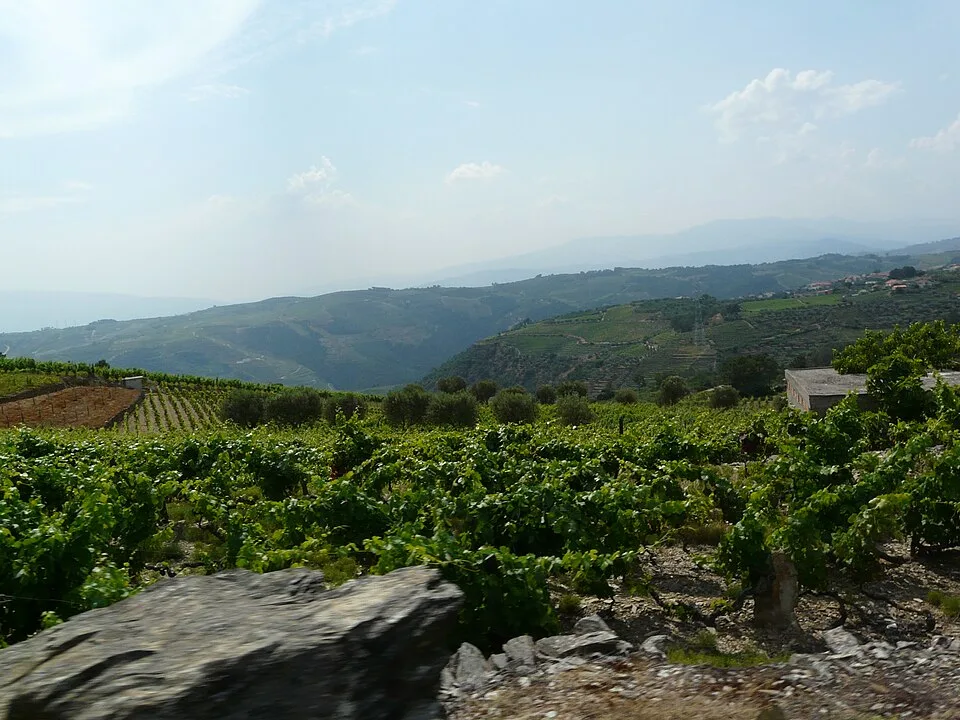
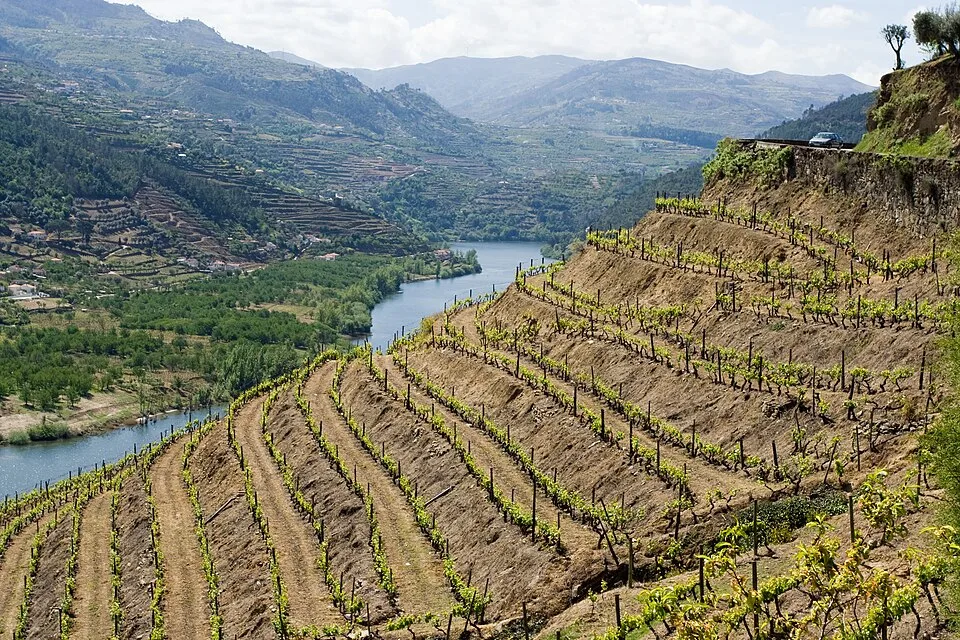
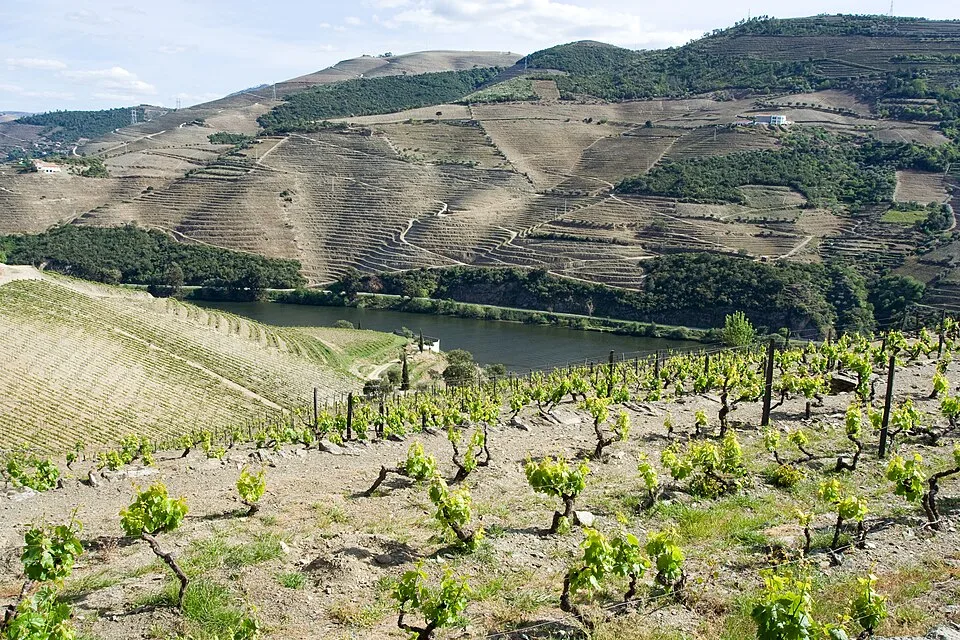
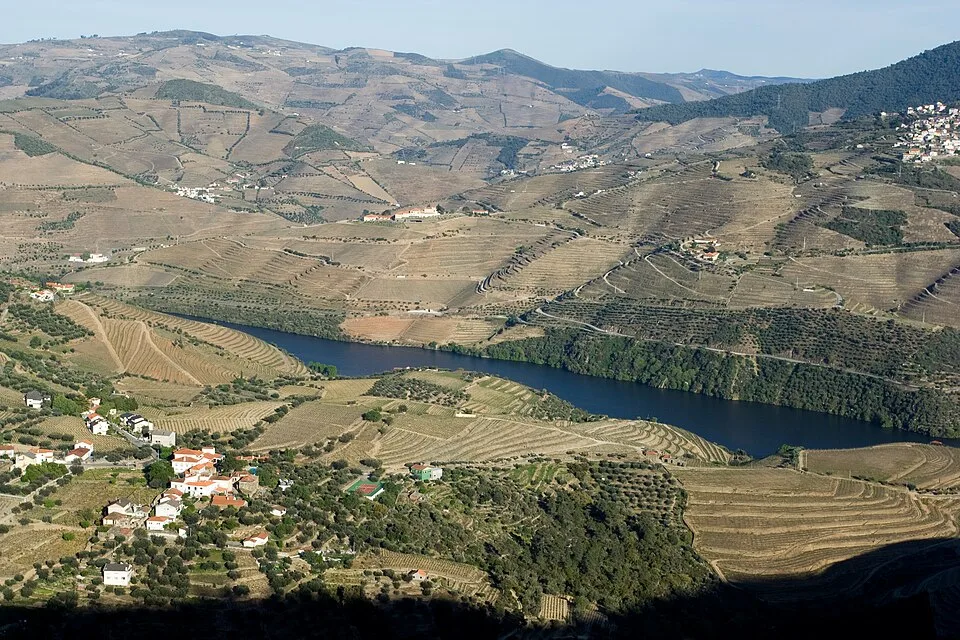
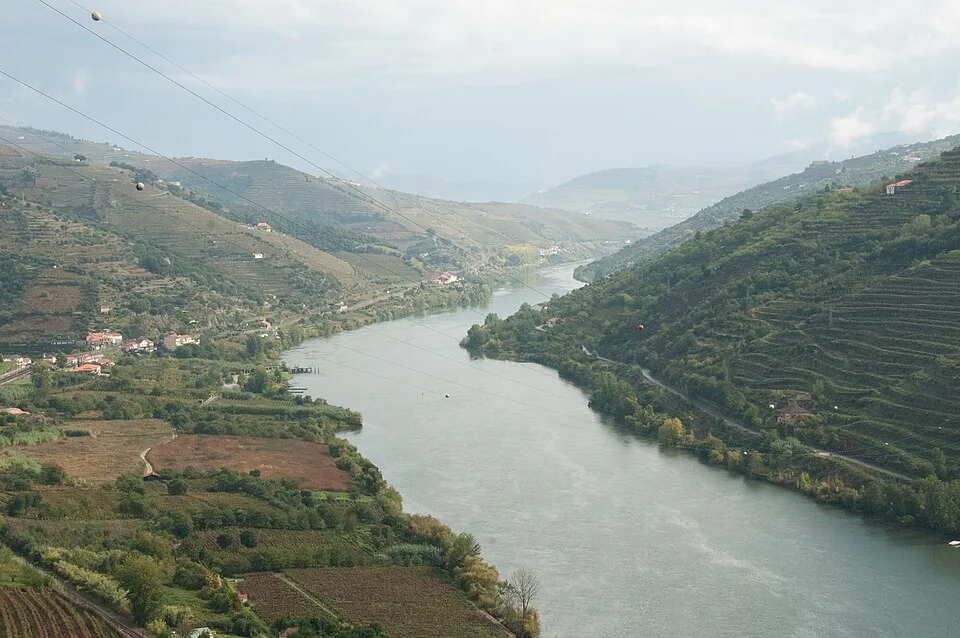
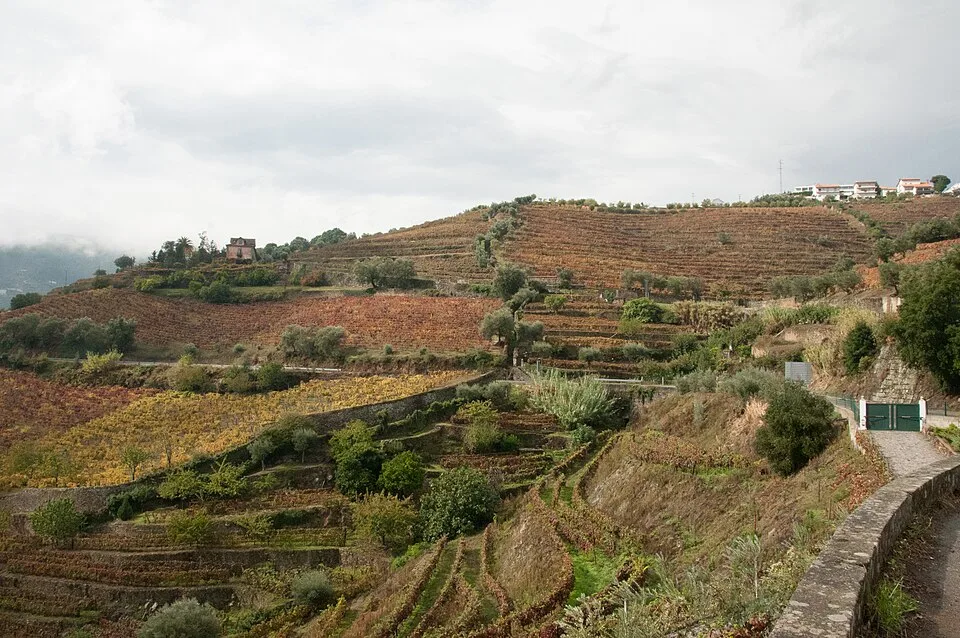
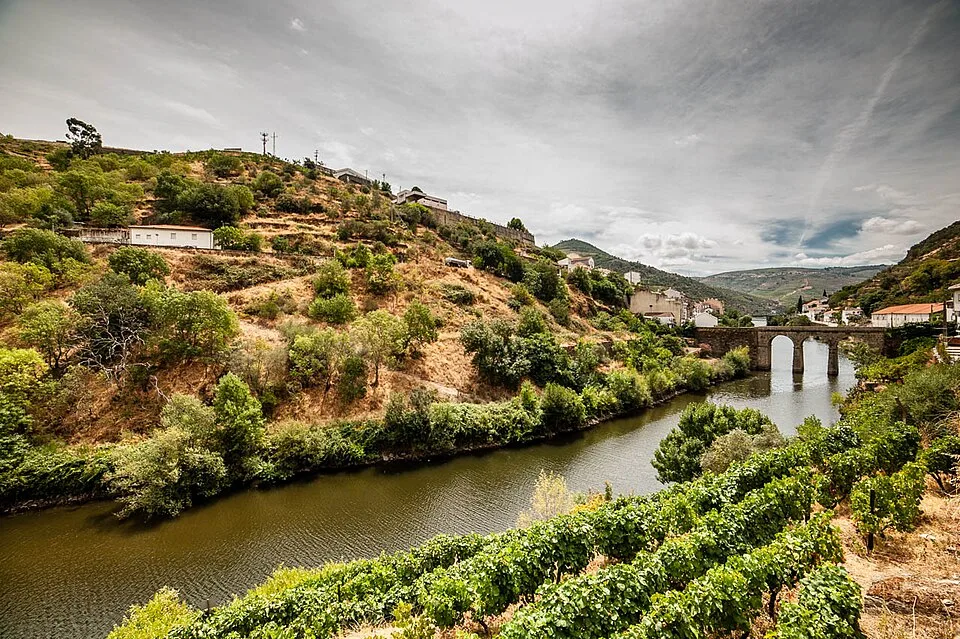
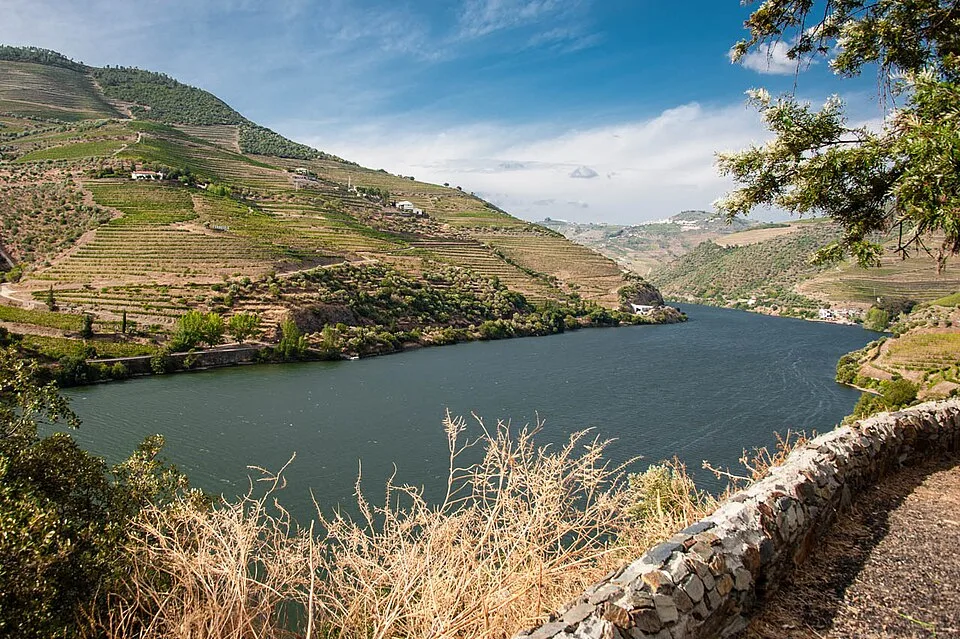
The loop logic in one view: ridge roads, vineyard terraces, and
the kind of bend that makes a short drive turn into the point of
the day.
Classic first loop: ride or drive between Régua
and Pinhão, pause at Pinhão station for the azulejo panels, then
climb to Miradouro de Casal de Loivos. It is the cleanest “Douro in
one view” move: river, village, estates, and the S-bend of the
valley all appear at once.
Best vineyard walk: use Pinhão, Casal de Loivos,
Provesende, or São Cristóvão do Douro as your walking country. This
is where short guided vineyard walks make sense: old farm tracks,
schist villages, olive groves, terrace walls, and enough elevation
to make the landscape feel earned without turning the day into a
mountain hike.
Best viewpoint drive: pair São Leonardo da
Galafura with the smaller ridge roads above Régua and the Pinhão
side. São Leonardo is the famous balcony; Casal de Loivos is the
cinematic one; São Salvador do Mundo near São João da Pesqueira is
the wilder eastern answer if your loop pushes that far.
Best eastbound add-on: make the Côa Museum and
Passadiços do Côa part of the Foz Côa day. The walkways are short
but steep, and they make the museum feel rooted in the landscape:
terraces, railway, rivers, rock art, and the meeting of the Douro
and Côa all in one tight frame.
Hidden gems
Provesende: one of the best villages for slowing
the valley down. It gives you manor houses, stone lanes, vineyard
edges, and a more lived-in feeling than the riverfront stops. Use it
as a quiet counterweight to Pinhão, especially if you are already
driving the ridge roads.
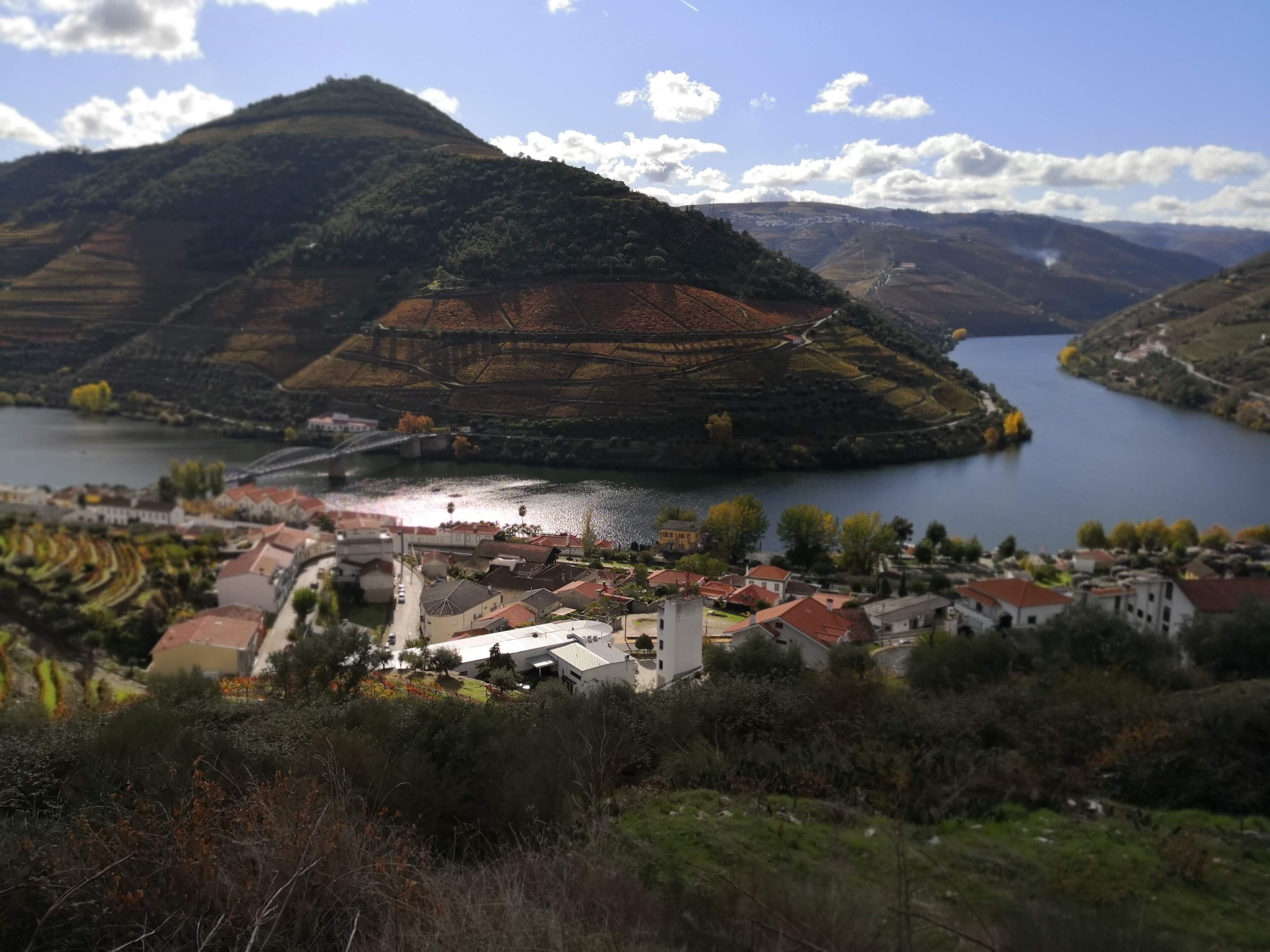
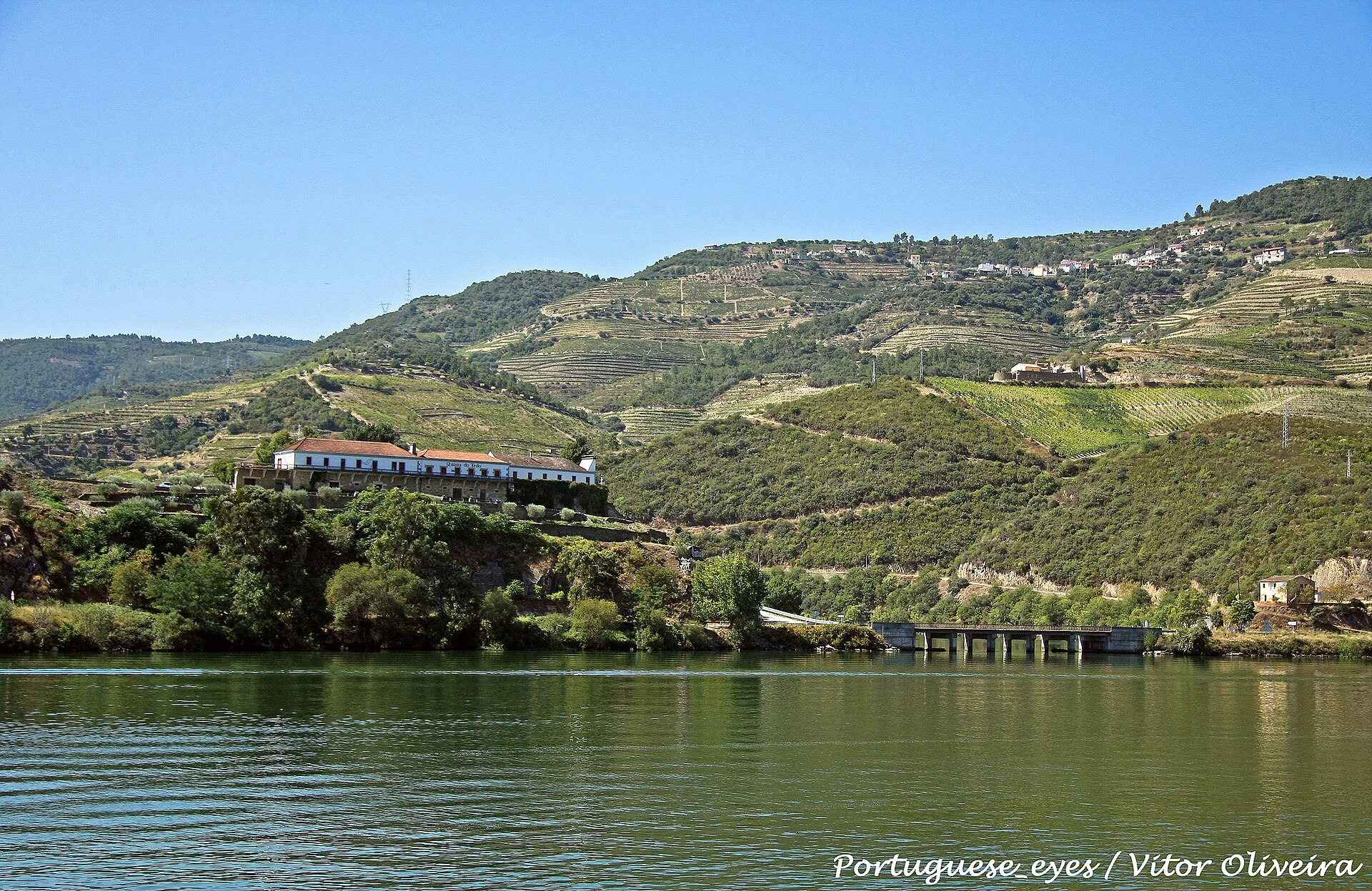
The hidden-gem version of the Douro is usually quieter than the
riverfront: village stone, vineyard edges, and time to notice the
trip between tastings.
Favaios: worth considering if you want the Douro to
taste different from port. The village is associated with moscatel
and traditional bread, so it works well as a short food-and-wine
detour from Alijó or Pinhão rather than another standard tasting.
Numão castle: an atmospheric eastern detour before
or after Foz Côa. It is not polished in the way the main wine towns
are, but the ruin, views, and sense of distance help the trip feel
older than the port-wine story.
Varosa valley: if you are based around Lamego,
look beyond the sanctuary. Ucanha, Salzedas, and the monastery /
bridge country nearby make a strong half-day for architecture
people who want medieval stone, quieter roads, and a break from
vineyard spectacle.
Quinta do Bomfim on foot: if you arrive in Pinhão
by train and do not want to overcomplicate the day, this is one of
the easiest estate visits to make without a car. It is not hidden,
exactly, but it is a smart move: walkable from the station, scenic,
and logistically kind.
See & do
The obvious attraction is the UNESCO wine landscape itself, but the
valley works best when you mix vineyard scenery with monuments,
archaeology, and one or two places that have nothing to do with
tasting notes.
Think in contrasts rather than categories: one polished palace, one
rough prehistoric site, one sanctuary stairway, one miradouro, and
one meal that lasts longer than originally planned. The Douro gets
better when the day has texture, not just bottles.
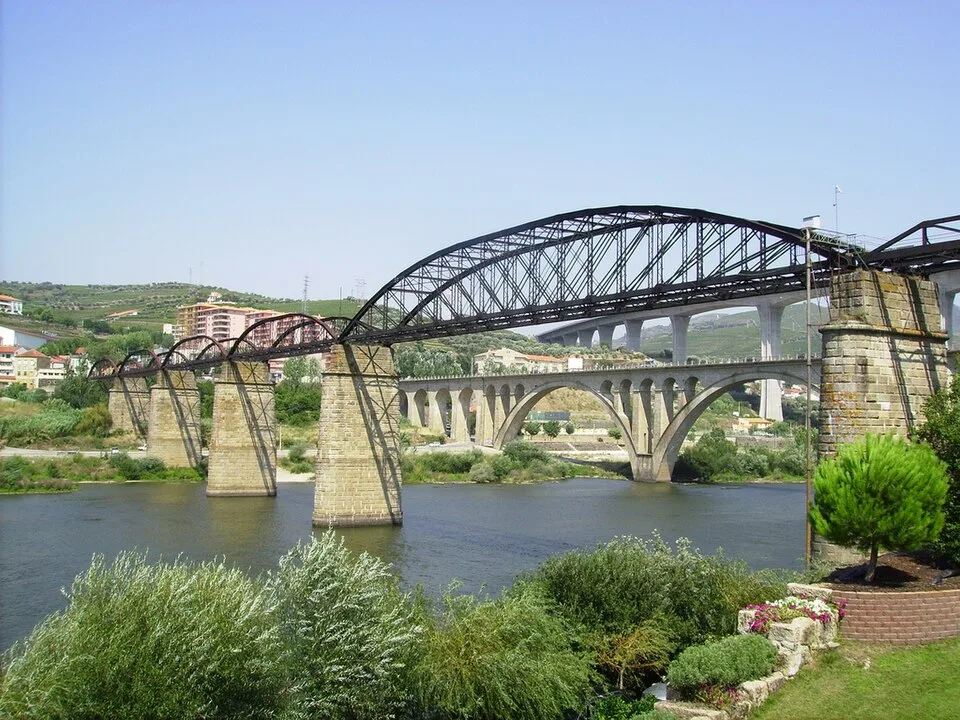
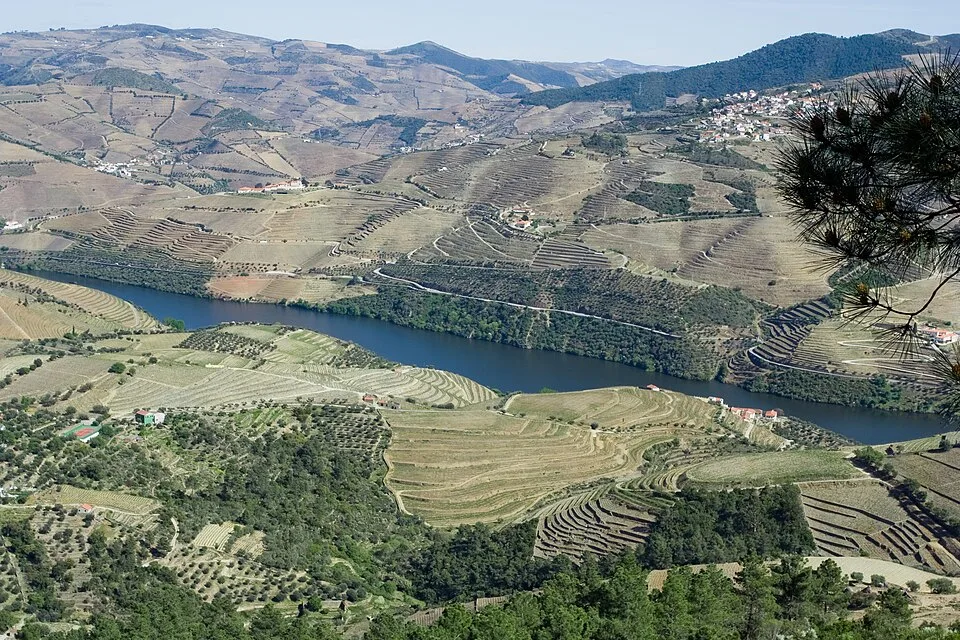
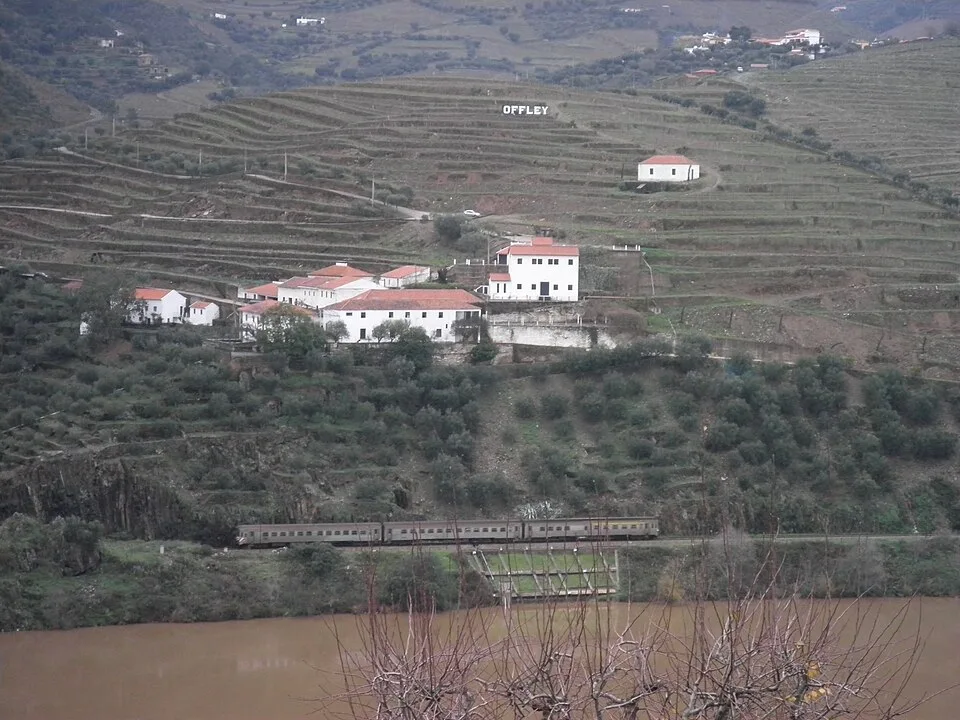
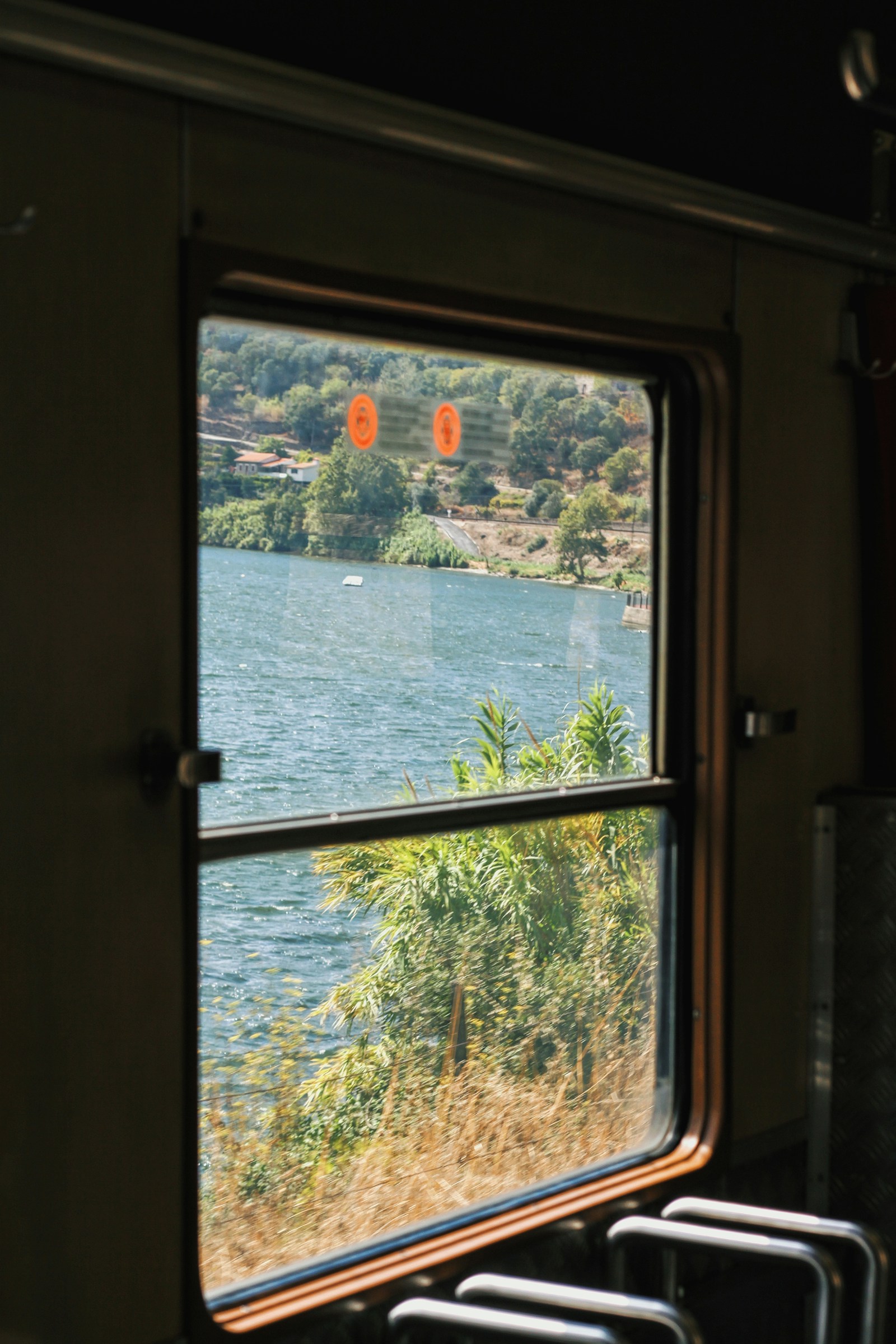
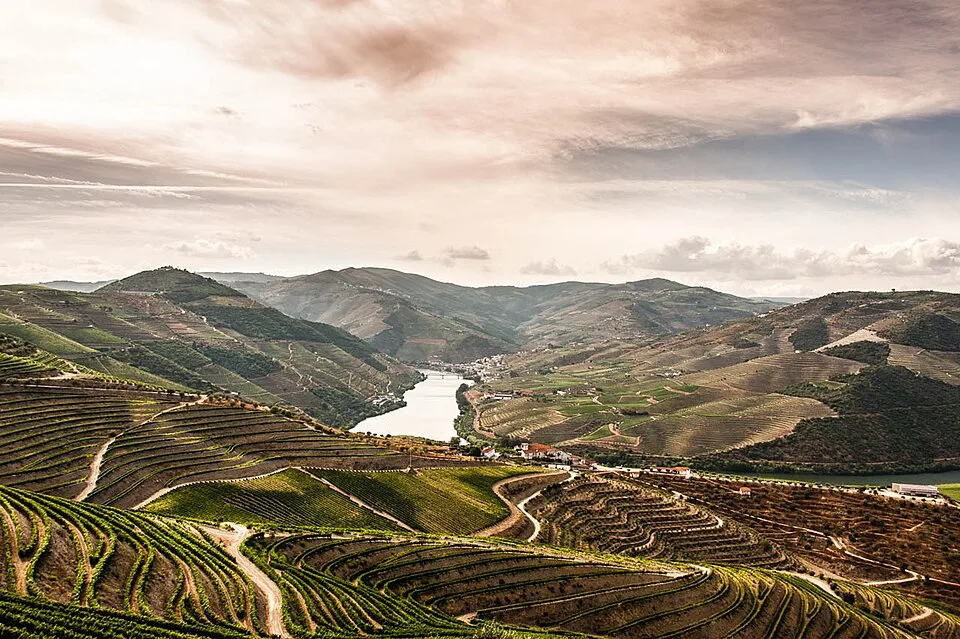
The region gets better when one journey does some of the work:
train window, river bend, vineyard wall, and enough patience to
notice the transitions.
Alto Douro Wine Region
A 2,000-year-old cultural landscape stretching along the
Douro between Mesão Frio and Pocinho. The terraces are the
headline, but the human labour embedded in them is the
real story.
Landscape
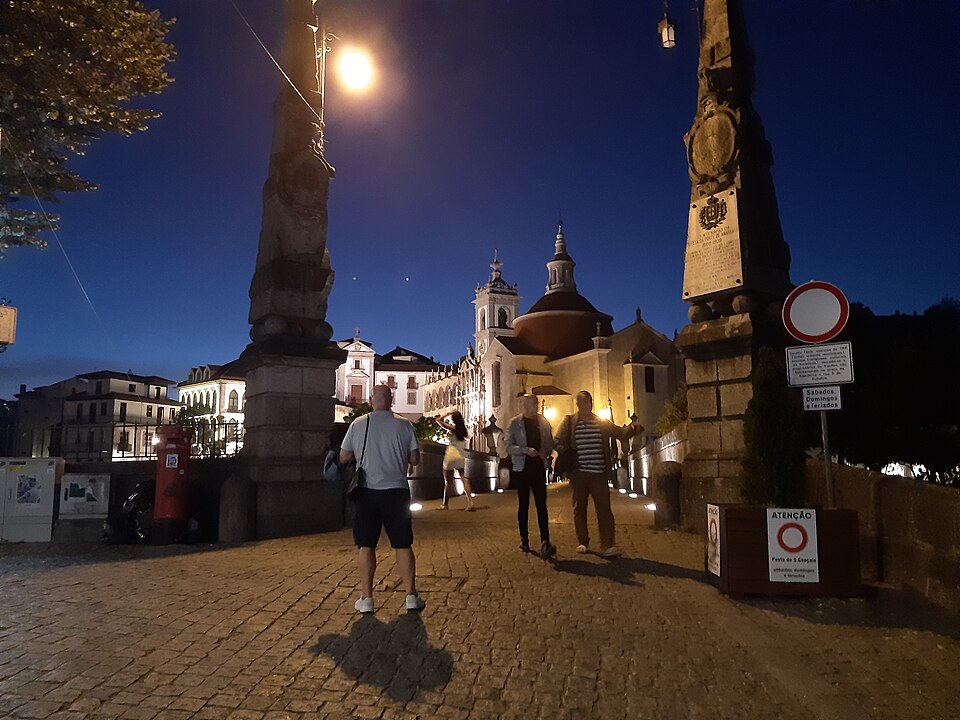
Lamego's sanctuary
Nossa Senhora dos Remédios is the valley's grand baroque
flourish: a staircase, a shrine, and exactly the sort of
uphill penance that earns lunch afterwards.
Monument
Palácio de Mateus
Near Vila Real, the palace gives you aristocratic northern
Portugal in one frame: baroque symmetry, water
reflections, and a detour that feels more literary than
agricultural.
Architecture
Côa Valley rock art
The eastern trump card. Prehistoric engravings in the Côa
Valley turn the trip from wine-country pretty into
world-history serious.
UNESCO
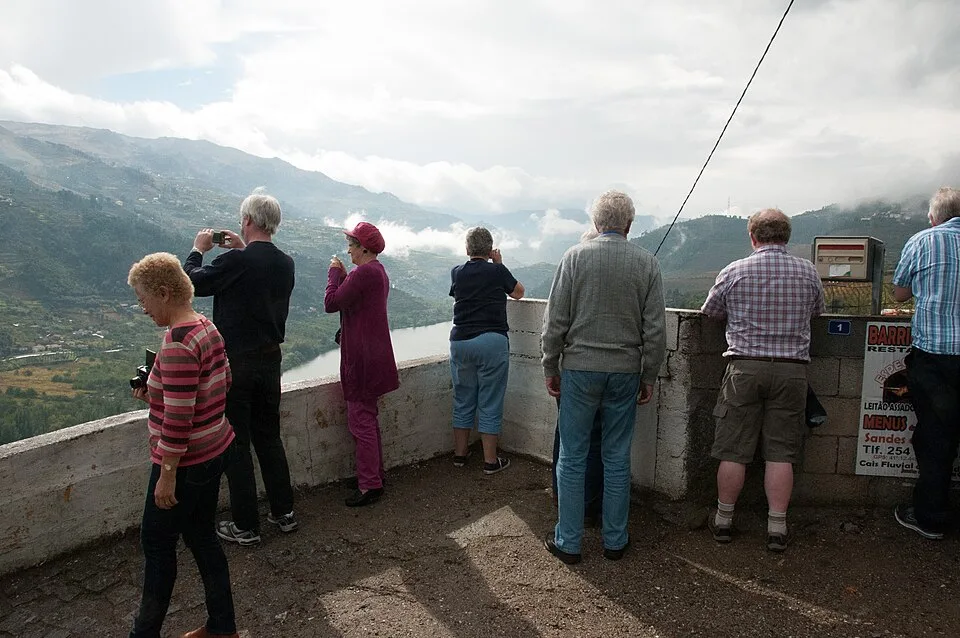
Ridge viewpoints
Stop for miradouros whenever the road gives you one. This
is not filler activity; the valley's whole seduction
strategy is altitude, shadow, and scale.
Viewpoints
Quinta visits
Book one or two, not six. A good estate visit gives you
vineyard context, cellar method, and a terrace worth
lingering on. After that, diminishing returns arrive fast.
Wine estates
Amarante & São Gonçalo
If you want one western-side detour beyond the vineyards,
make it Amarante: the monastery, the pilgrimage story, and
the bridge over the Tâmega that gives the whole town a
slightly heroic posture.
Detour town
Romanesque Route of Vale de Sousa
For architecture people, this is the deep cut:
monasteries, fortified churches, rose windows, and small
stone monuments spread across the inland routes west of
the core valley.
Romanesque
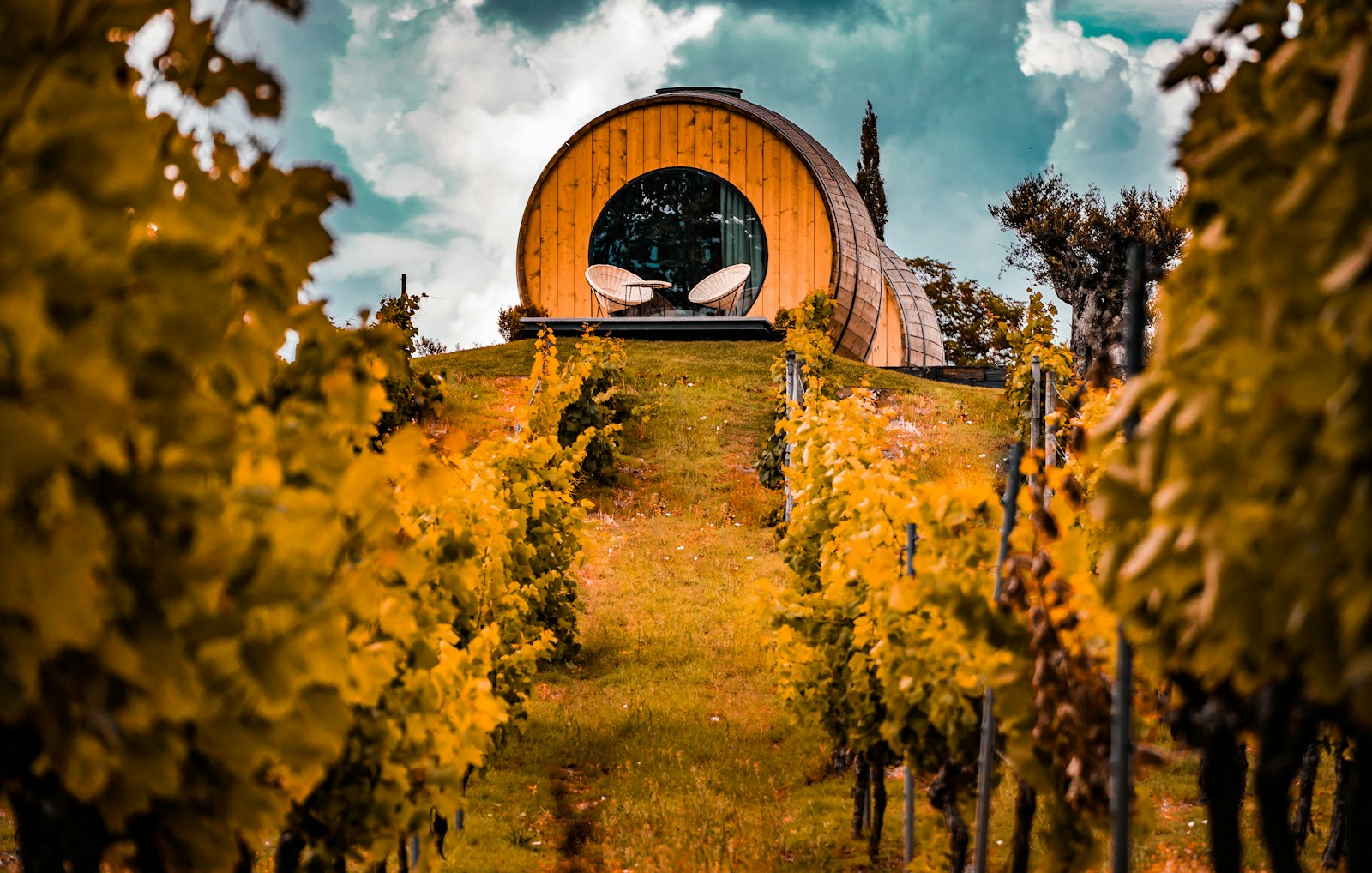
Best season
Late September into October is the show-off window: vineyard
colour, harvest energy, and cooler evenings that make long
lunches feel earned rather than survivable.
Valley pacing
Keep your days under-planned. The best Douro itineraries leave
room for a long terrace lunch, an unplanned miradouro, and the
fact that every 20-minute drive can quietly become 45.
Eat & drink
Yes, port is the star, and yes, you should taste it in the place
that explains the grapes instead of just the brand. But the valley
is not only liquid. Armamar brings apples and cheeses, Mirandela is
famous for alheira, and the broader region loves smoked
meats, roast dishes, and meals built to slow an afternoon down on
purpose.
The right rhythm is one serious tasting, one scenic lunch, and one
small-town dinner that reminds you this is still inland northern
Portugal, not an open-air wine bar. Save the over-scheduled cellar
crawl for people who enjoy spreadsheets more than landscape.
The smartest food move is to treat lunch as the main event. Reserve
one quinta meal with a terrace, let dinner go simpler and more
local, and leave enough room in the trip for the valley's
farm-country side to show up on the plate.
01
Castas e Pratos
Peso da Régua. The most reliable first-night answer in the
valley: polished but not stiff, deeply committed to Douro
wine, and good at making regional products feel contemporary
rather than heavy. Ideal if you want one place that covers
dinner, bottles, and a sense of occasion without going full
tasting-menu theatre.
Régua default · Wine-led dinner
02
DOC
Folgosa do Douro. The riverfront splurge: Rui Paula's
restaurant sits right on the water and knows exactly how
cinematic its setting is. Come here when you want the
postcard lunch or dinner and you are happy to pay for the
full Douro performance.
Riverfront splurge · Book ahead
03
Cozinha da Clara
Quinta de La Rosa, near Pinhão. The terrace lunch pick. You
come for the river view and stay because the whole place
understands how the valley should feel at midday: bright,
calm, and not in any hurry to turn the table.
Terrace lunch · Pinhão side
04
Aneto & Table
Peso da Régua. A smarter casual stop than the name first
suggests: lighter plates, good local wine context, and an
easy station-side location if you want lunch that does not
derail the whole afternoon. Strong option for arrival day or
before boarding a train.
Casual lunch · By the station
05
Cais da Villa
Vila Real. The city-detour dinner. More urban, more
polished, and a good excuse to give one evening to the
northern gateway side of the trip rather than eating every
meaningful meal in pure vineyard country.
Vila Real · Creative regional cooking
Lunch beats dinner here
If a restaurant has a terrace or river view, use it at lunch.
The valley's midday light does half the work, and you'll enjoy
the landscape more before the roads, tastings, and sunset
viewpoints start competing for attention.
Driver strategy
Do the serious bottle-opening when you are sleeping nearby or
not driving afterwards. The Douro rewards restraint in the
afternoon more than bravery on ridge roads.
Go next
Once you finish the valley, you can pivot in three clean directions:
back west for Porto, north for the broader Trás-os-Montes world, or
south-west toward Beira Alta and the central Portuguese interior.
Trás-os-Montes
Push farther north-east for Bragança, Miranda do Douro,
Mirandese culture, and a rougher, more isolated version of
northern Portugal.
North-east1–3 hrs
Porto & the coast
Head back west for city energy, tiled stations, and Atlantic
air once you've had your fill of terraces and tasting rooms.
West~2 hrs
Côa & Beira Alta
Carry on south-east from Foz Côa if you want archaeological
sites, harsher landscapes, and fewer travelers doing the same
thing as you.
South-eastVariable
About this guide
Written by Planark
Last updated June 2026
This guide is built on
WikiVoyage,
OpenStreetMap, and
Wikipedia
— open, community-verified travel data with no commercial interests
or sponsored placements. Editorial voice, curation, and itinerary
structure by Planark. Photos from
Wikimedia Commons
and
Unsplash
under open licence.
Prices, opening hours, and entry requirements change without
warning. Always verify time-sensitive details before you travel —
especially for restaurants, museum free days, and transport.