An Andalusian mountain city built around an impossible absence
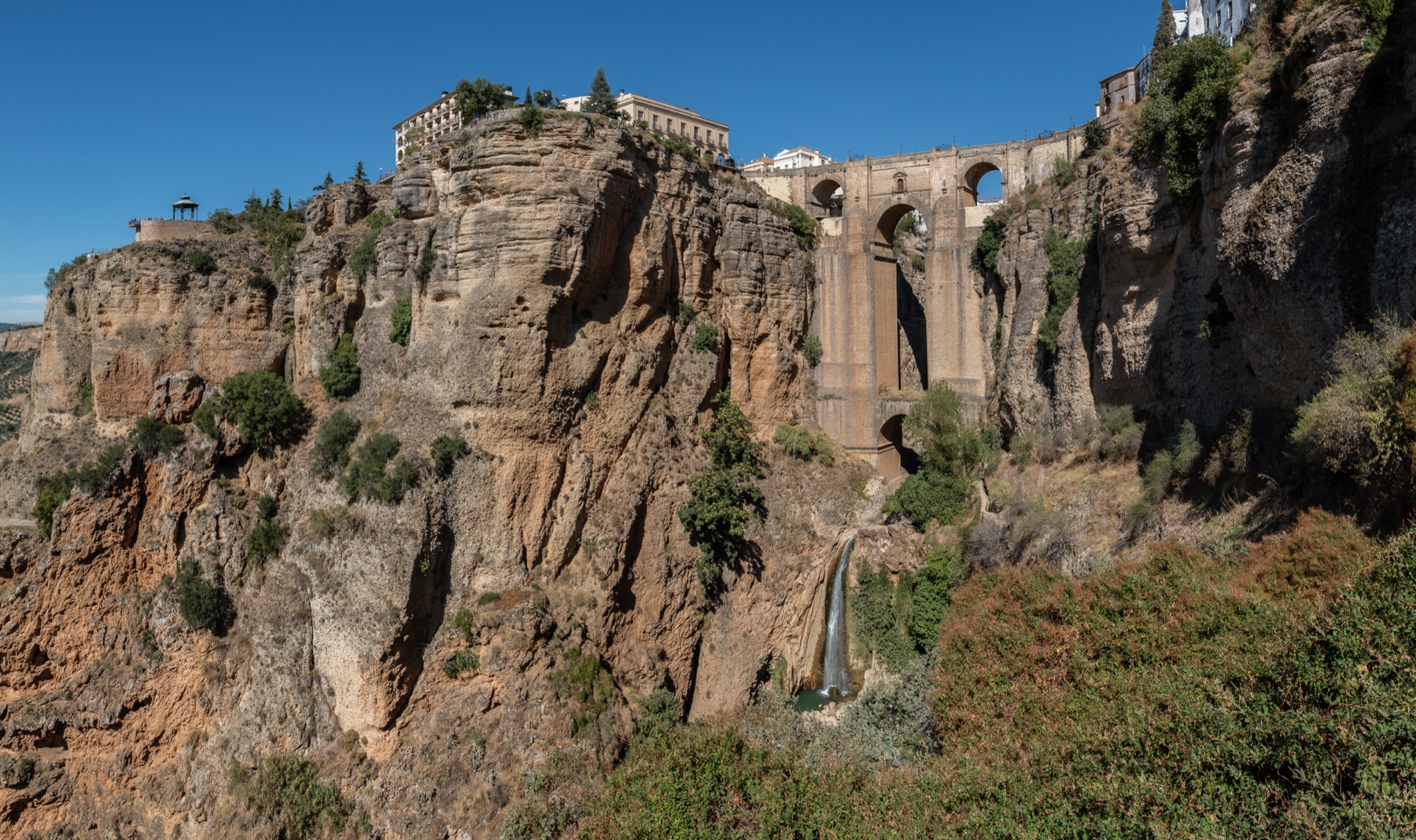
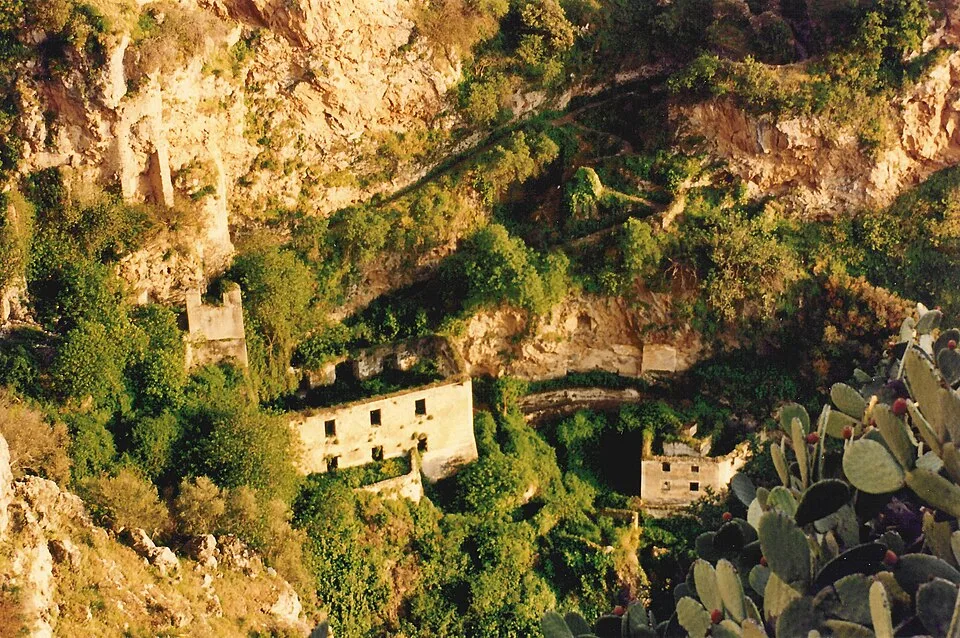
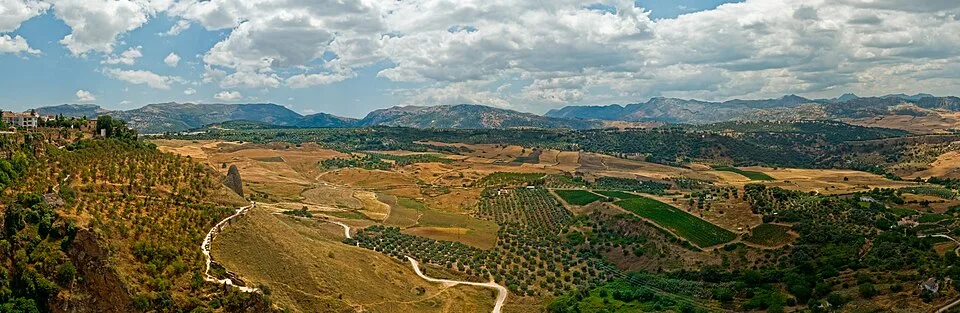
Ronda spread across the Serranía plateau
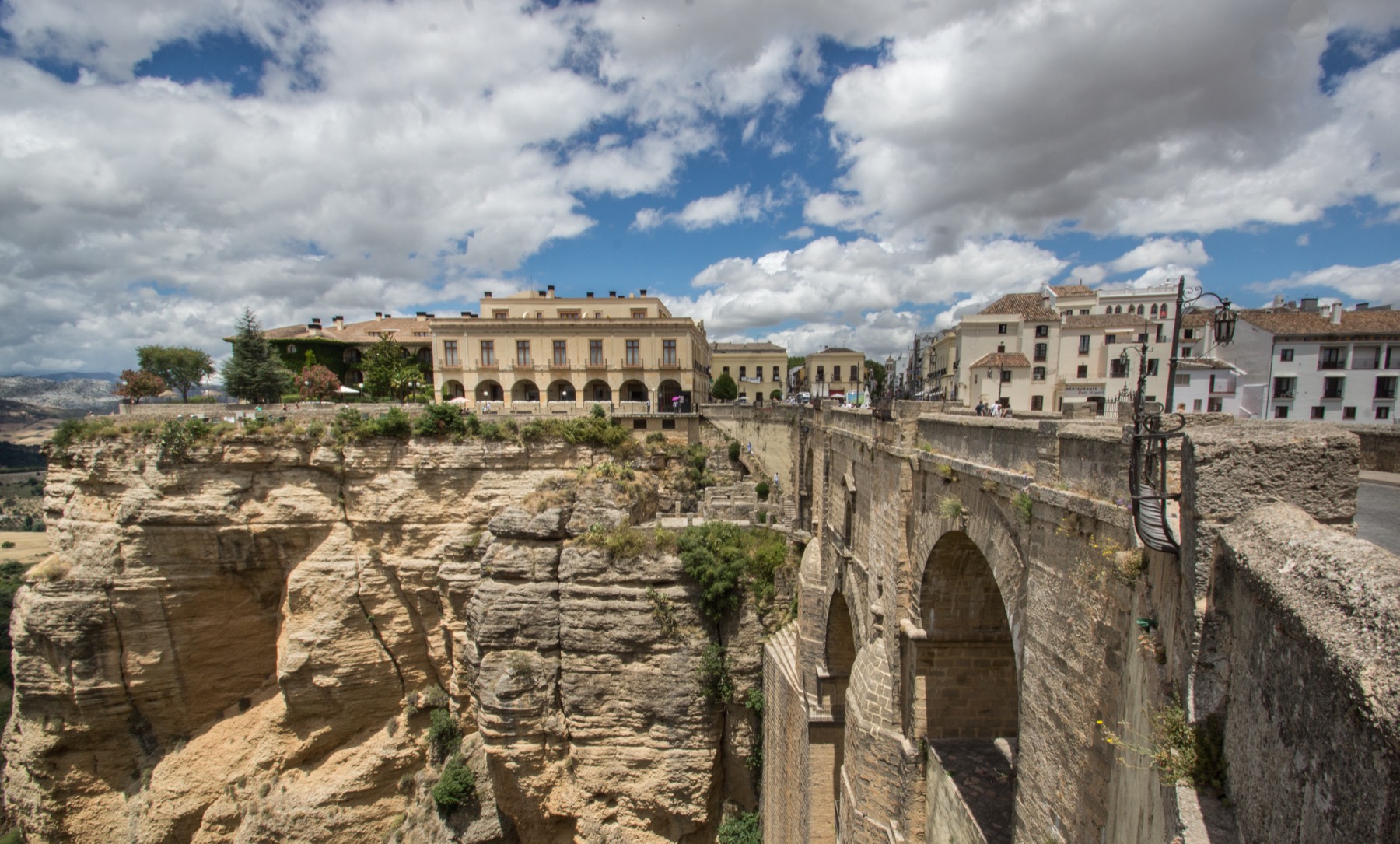
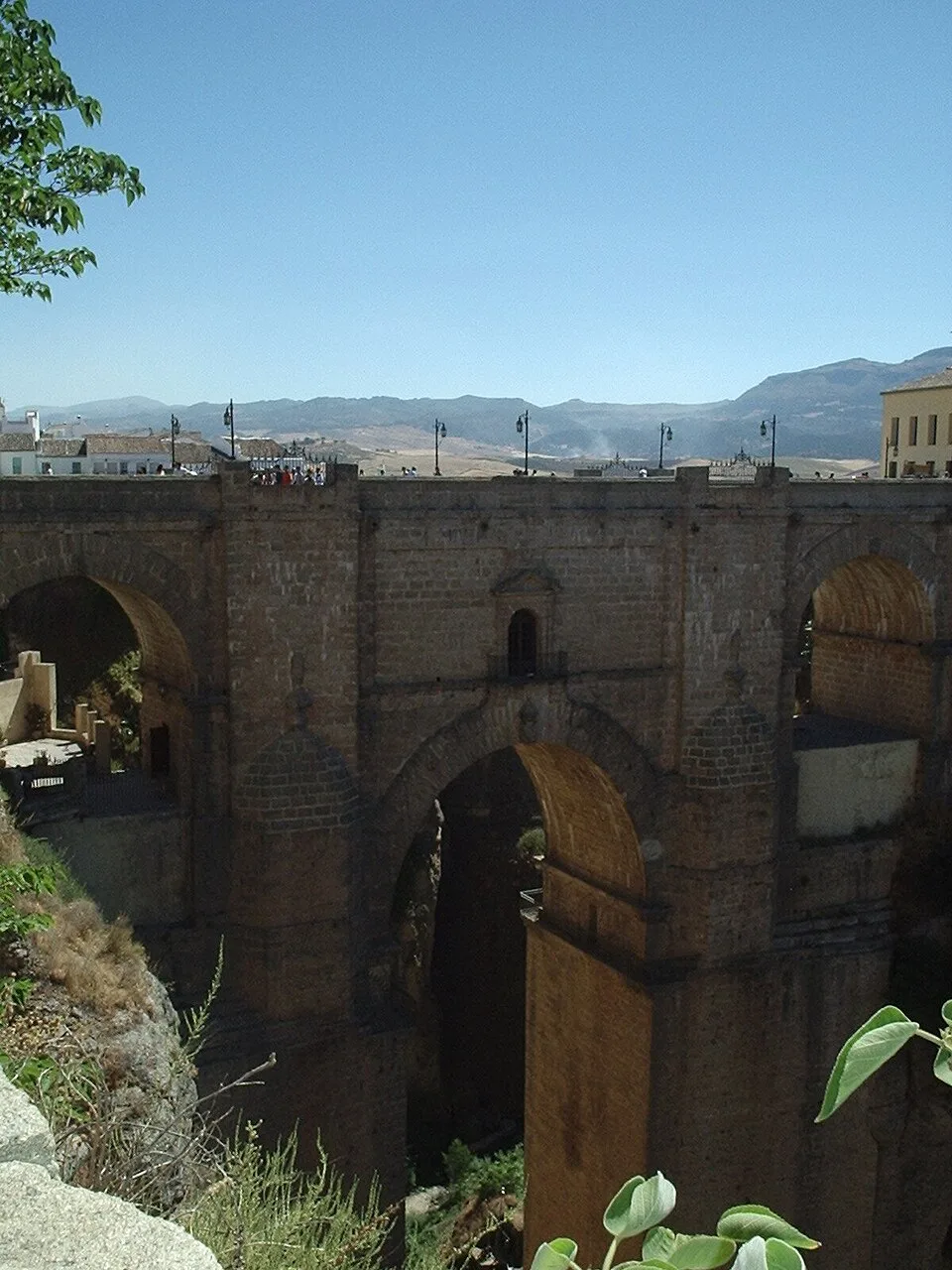
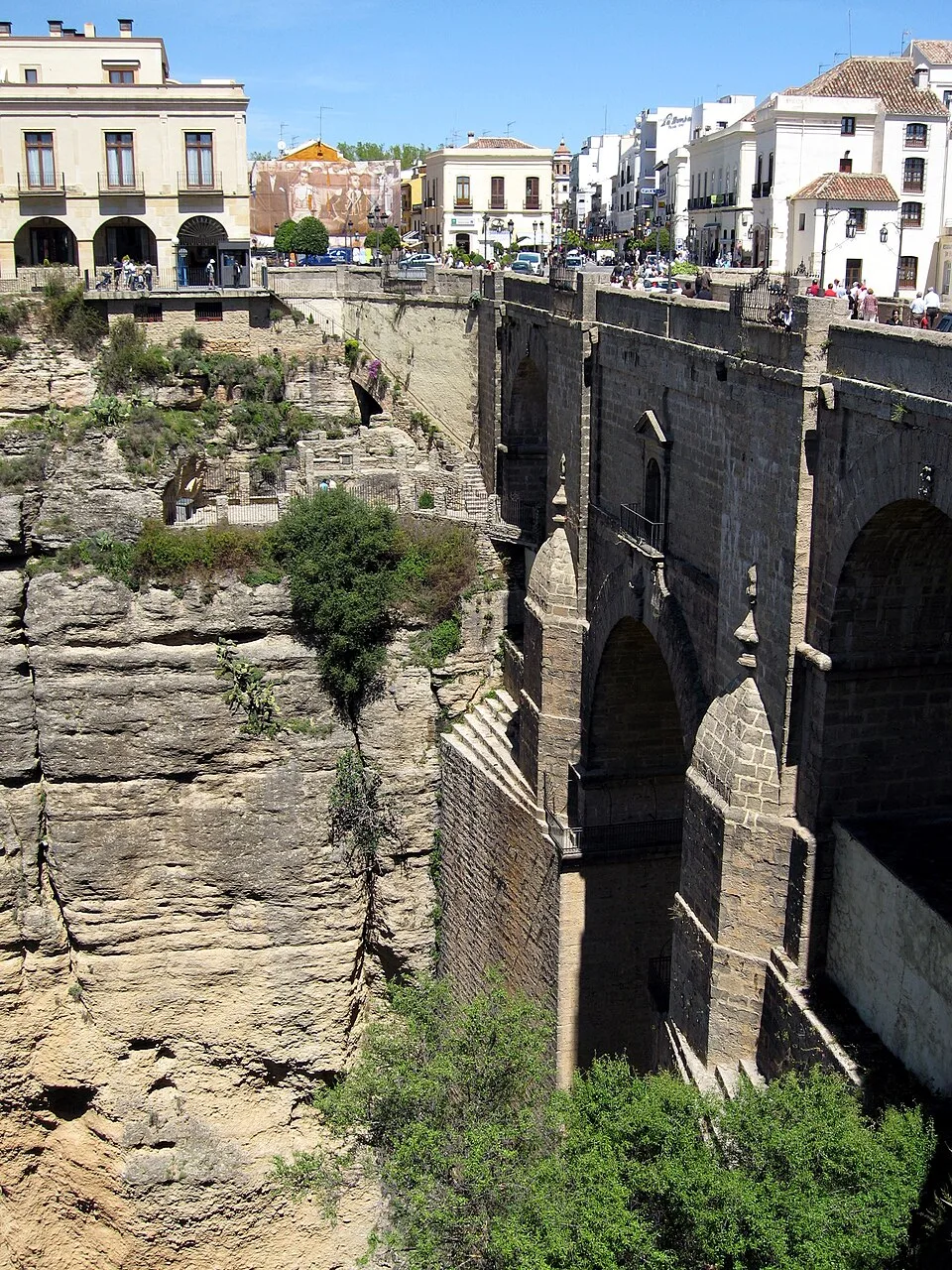
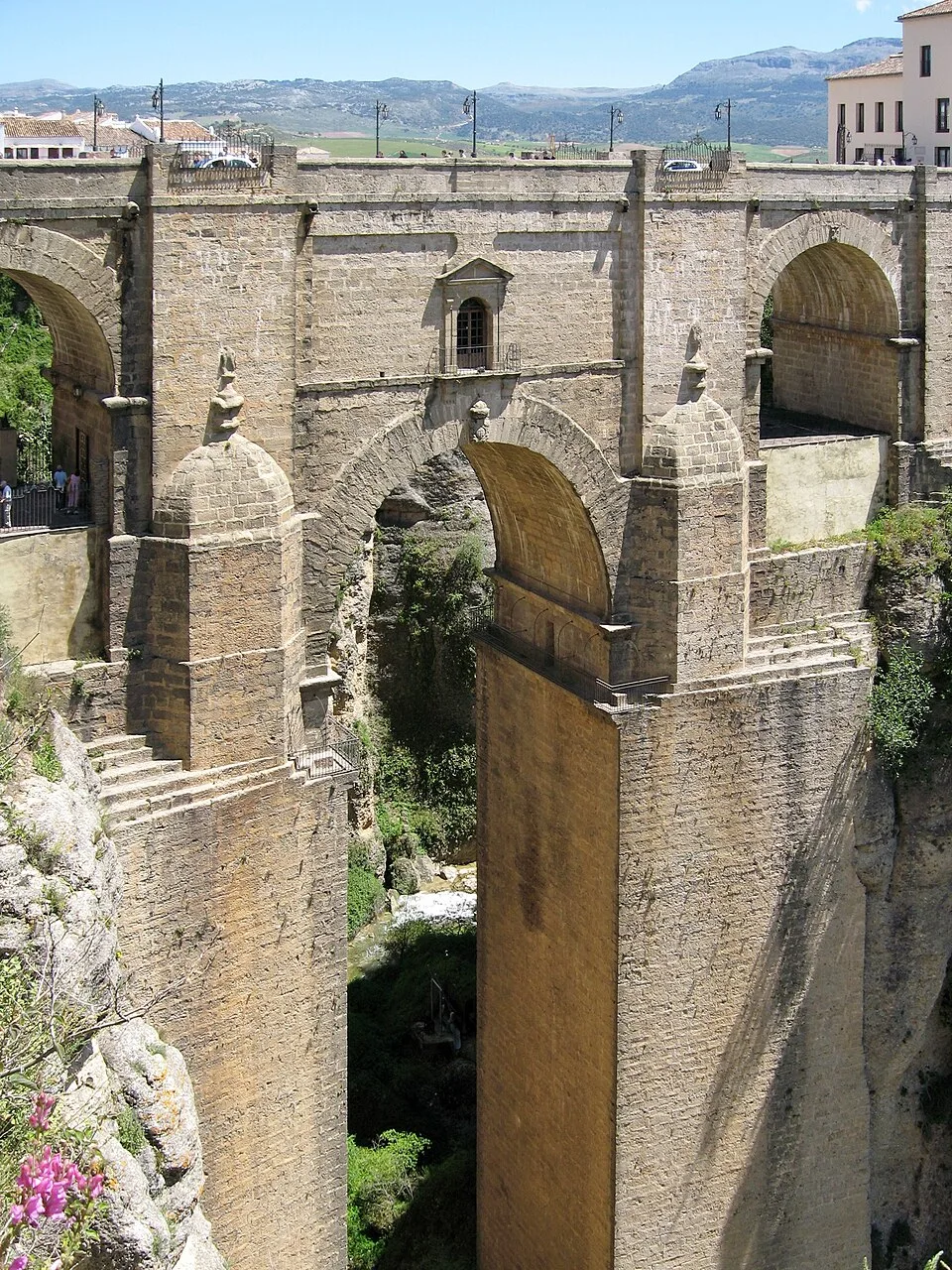
Puente Nuevo stitching together both sides of El Tajo
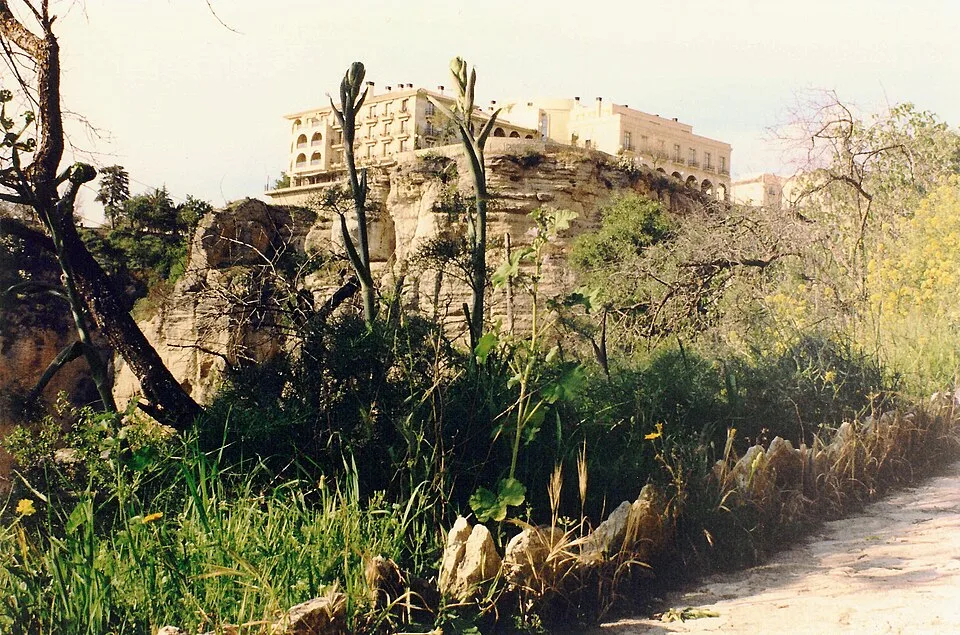
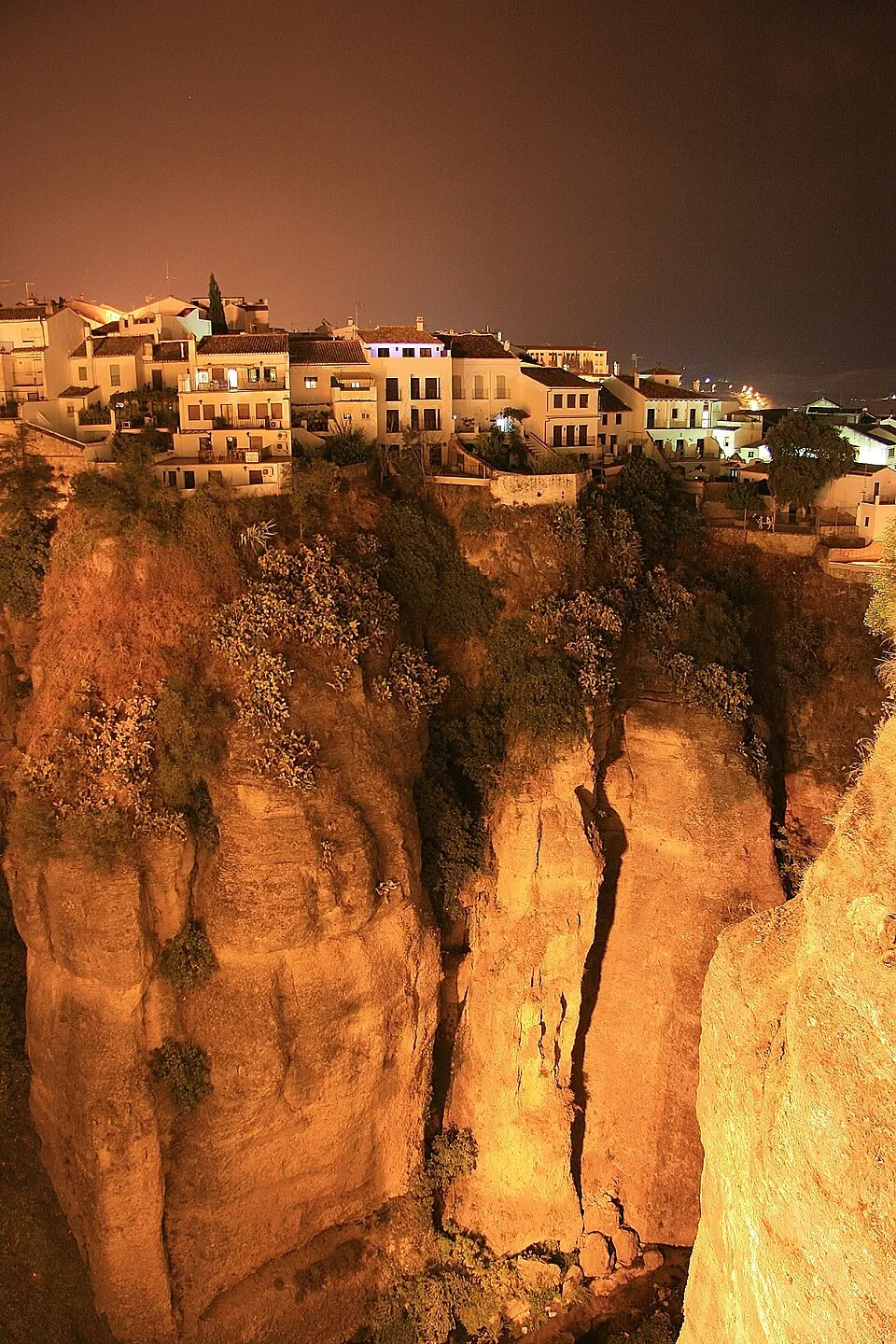
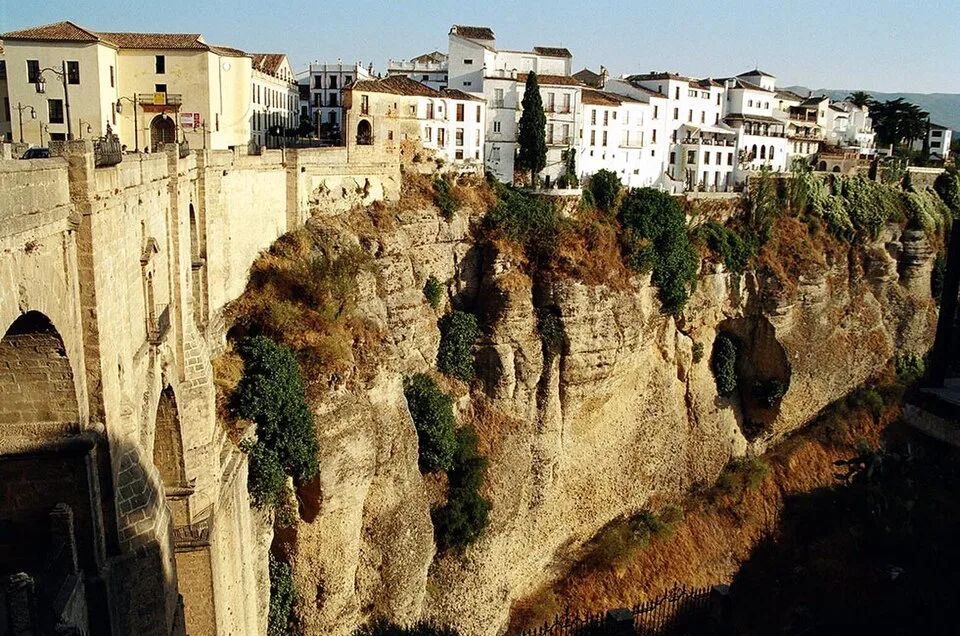
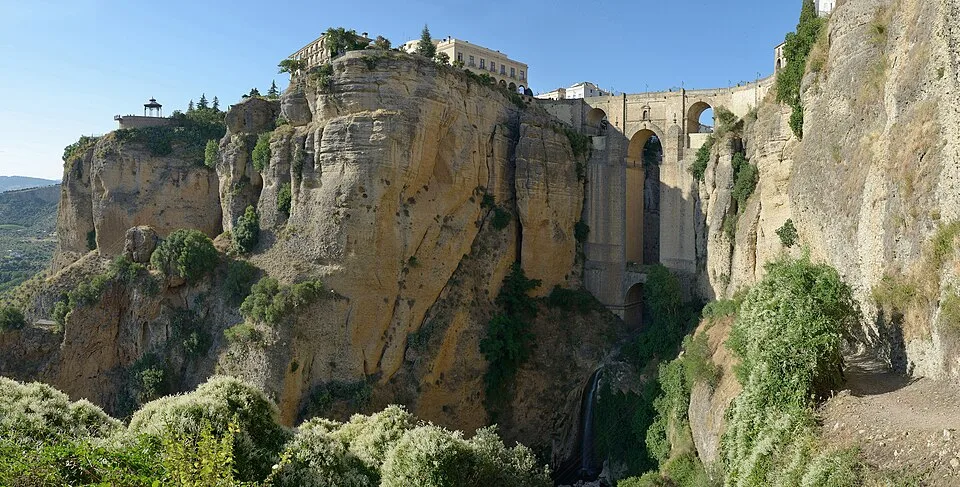
El Tajo: geology first, urban drama second
The Alameda balcony opening toward the Serranía
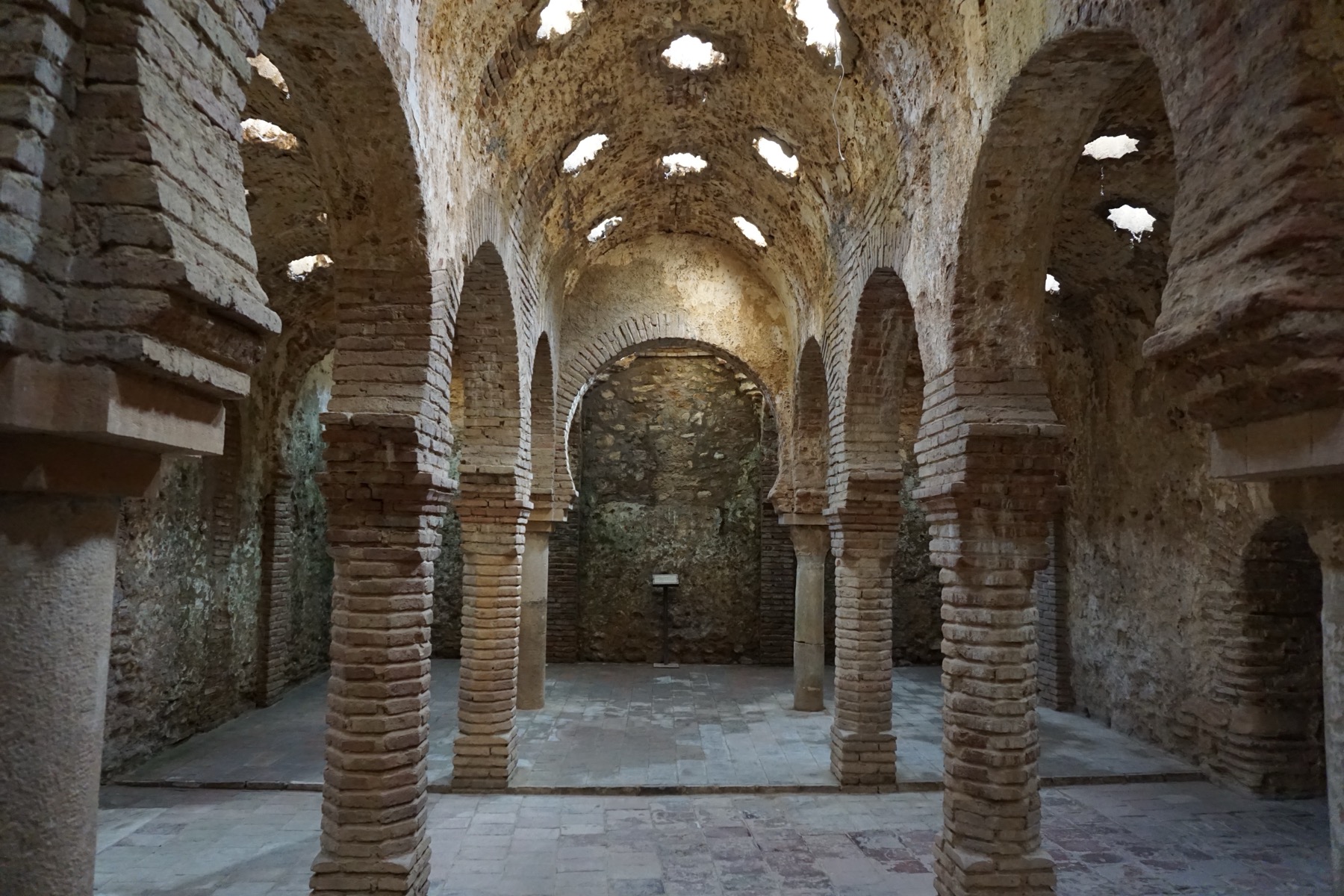
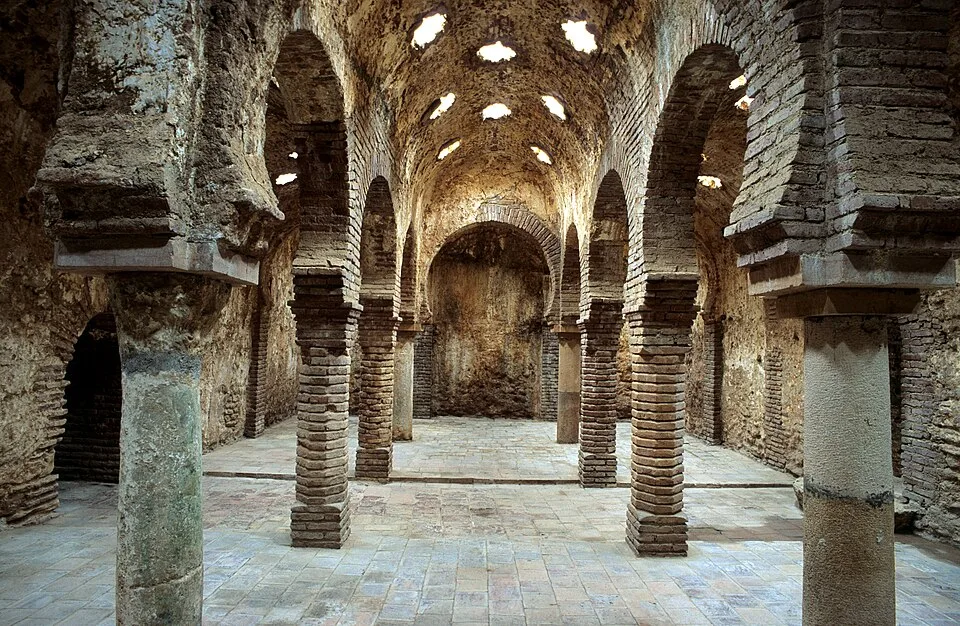
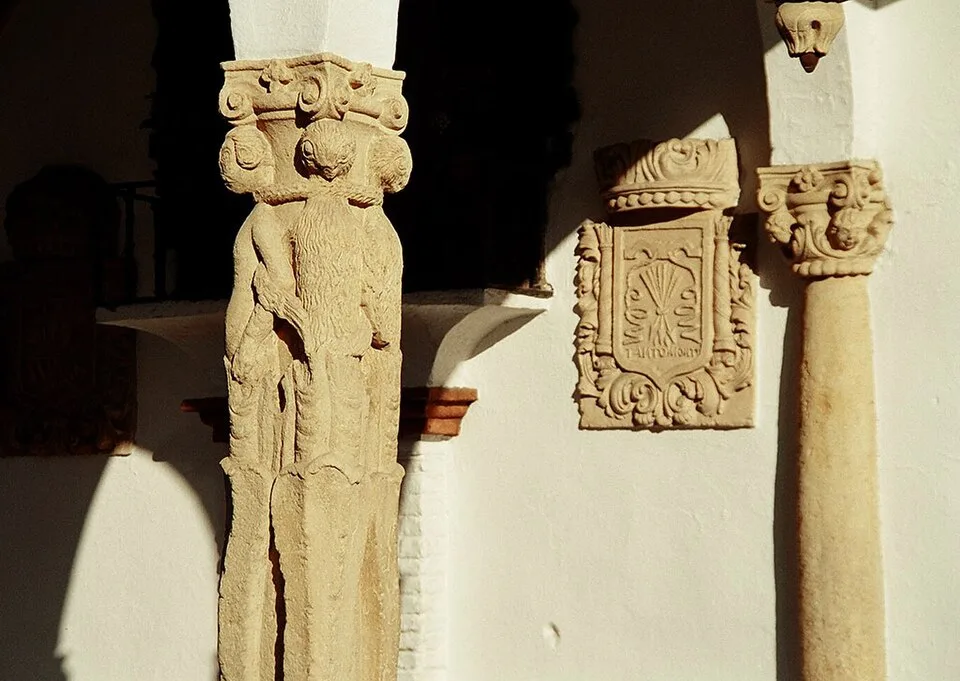
Ronda's Islamic-era baths below the old medina
Ronda is more than Puente Nuevo: it is an old frontier city whose baths, gates, palaces, vineyards, and lived-in streets make sense only after you have followed the gorge from rim to river.
Introduction
Puente Nuevo is Ronda's grand piece of theatre, but it works because the rest of the city supplies the plot. The Guadalevín cut El Tajo through the plateau; streets, gates, baths, palaces, and successive bridges then negotiated that divide. Sleep here rather than photographing it between coaches. At breakfast the gorge belongs to birds and delivery vans; by evening the sandstone changes colour and La Ciudad starts to feel inhabited again. Two nights reveal the Arab Baths below, the renovated municipal museum at Mondragón above, and the practical modern town across the bridge.
2 nights
Ideal stay
On foot
Skip the car
Early + late
Puente Nuevo
1 outward day
White villages
When to go
April to June and September to October are the kindest walking windows. Holy Week and the 2026 fairs bring ceremony as well as crowds, so consult the municipal agenda before choosing dates.
High summer in Ronda is survivable only if you surrender midday to shade, siesta, or a long lunch. The gorge holds and radiates heat; the bridge viewpoints are not worth heatstroke. Winters are clear and quiet, but mountain roads after rain demand respect and warm layers after dark.
Highlights
The bridge is the first sentence, not the whole story: palaces, gardens, old walls, and the Serranía complete the portrait.
Puente Nuevo survives its own fame: even amid crowds, the scale of its masonry over El Tajo remains startling. Cross before the coaches gather, seek a lower angle, and return at
sunset.
Puente Nuevo
El Tajo · the headline
Puente Nuevo survives its own fame: even amid crowds, the scale of its masonry over El Tajo remains startling. Cross before the coaches gather, seek a lower angle, and return at
sunset. Cross once without stopping, then seek a lower or side-on view: only distance reveals the scale of the masonry and the void it spans.
Essential
El Tajo gorge
Lower paths · viewpoints
The town only makes sense when you see the drop from several angles; read it as part of the destination rather than an isolated recommendation. Walk from Aldehuela to the Alameda and then below the rim; each change of height turns the same bridge into a different piece of architecture.
Essential
Arab Baths
Islamic-era Ronda
On foot, a quieter, better-preserved counterweight to the bridge spectacle; the changing perspective matters as much as the final viewpoint. Its star vaults, water system, and position beside the former gate restore the everyday life missing from Ronda's heroic postcard.
Essential
Plaza de Toros
History · architecture
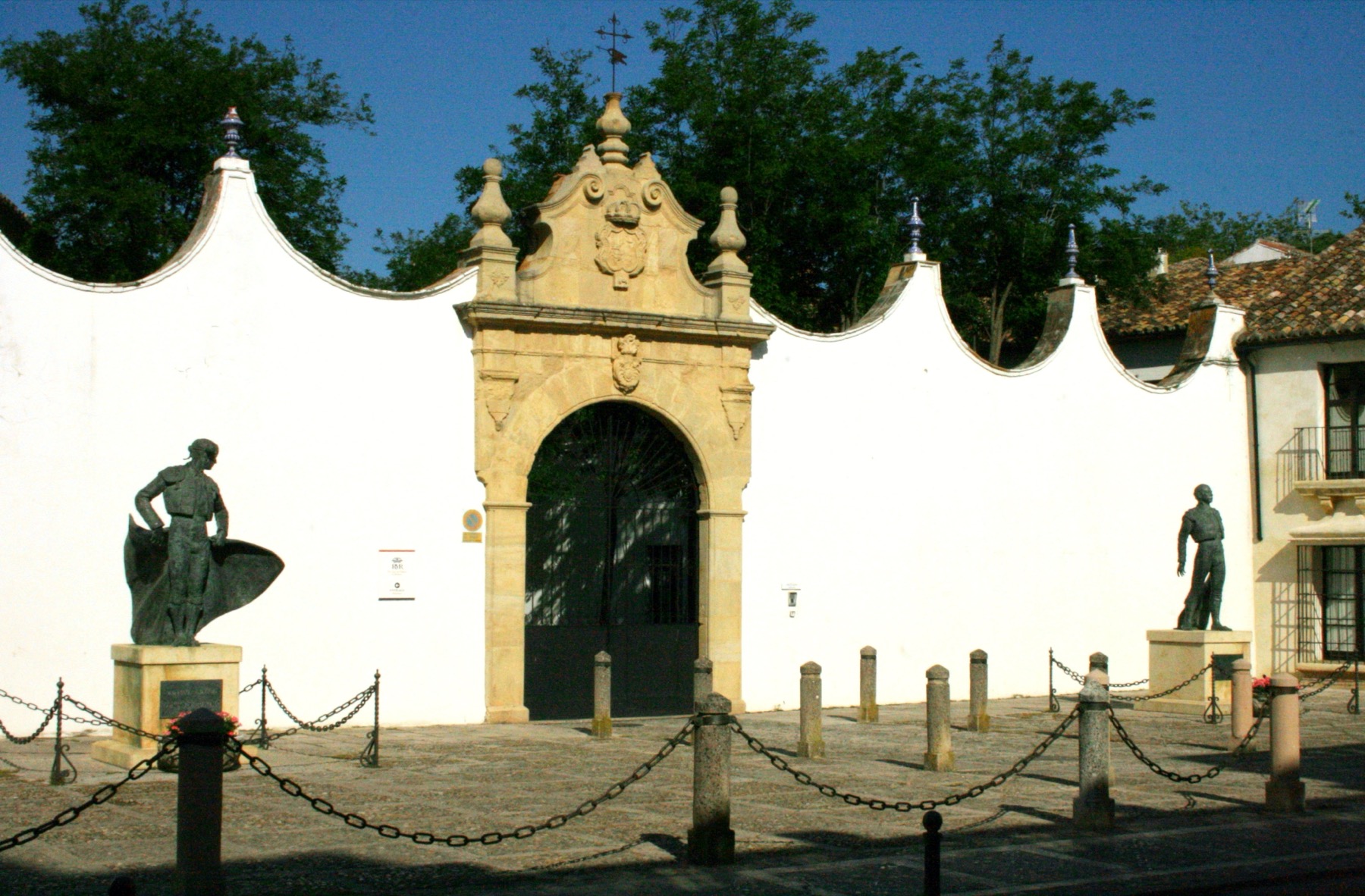
Go for context and craft, not empty macho mythology; read it as part of the destination rather than an isolated recommendation. Read the building critically—as architecture, ritual, and contested history—then step outside to compare its formal geometry with the wild edge of the gorge.
Essential
White villages
Setenil · Grazalema · Zahara
The practical choice is straightforward: a car turns Ronda from a gorge stay into a proper Serranía loop; keep logistics subordinate to time in the destination. Choose either the Grazalema side or Setenil and the wine country, not every white village at once; the mountain roads reward attention, not mileage.
Essential
Itinerary
Plan Ronda as two gorge-focused days plus one Serranía loop: Puente Nuevo and La Ciudad first, Arab Baths and wine second, white villages or bodegas third.
Ronda arc
Recommended: 3 days · 12 stops
Puente → Gorge, → White-village
Best at
3 daysRim-to-river on footProtect
lunch
On foot, 5 stops · full day · bridge + old town; the changing perspective matters as much as the final viewpoint.
Start in La Ciudad before coaches arrive: Puente Nuevo, gorge viewpoints, and the municipal museum while the cliff still feels like a town rather than a stage set. After the first bridge view, turn away from it on purpose: Mondragón, Santa María la Mayor, and the old walls prove there was a city here before the photograph.
09:001h
Puente Nuevo
1hStop 1
Puente Nuevo and La Ciudad
PacedBefore the coaches
11:001h 30m
Mirador de Aldehuela
1h 30mStop 2
Puente Nuevo and La Ciudad
PacedKeep the gorge unhurried
13:001h 30m
La Ciudad lanes
1h 30mStop 3
Puente Nuevo and La Ciudad
PacedKeep the gorge unhurried
15:001h 30m
Alameda sunset
1h 30mStop 4
Puente Nuevo and La Ciudad
PacedKeep the gorge unhurried
Give the second day to the Arab Baths, gardens, and wine—below the headline bridge where Ronda's older layers actually live. Descending changes the scale of everything. At water level the bridge becomes engineering, the baths regain their relationship to the gate, and the modern crowds feel very far above.
09:001h
Camino del Tajo
1hStop 1
Gorge, baths, and bullring
PacedBefore the coaches
11:001h 30m
Arab Baths
1h 30mStop 2
Gorge, baths, and bullring
PacedKeep the gorge unhurried
13:001h 30m
Plaza de Toros
1h 30mStop 3
Gorge, baths, and bullring
PacedKeep the gorge unhurried
15:001h 30m
Tapas in Mercadillo
1h 30mStop 4
Gorge, baths, and bullring
PacedKeep the gorge unhurried
Use the third chapter for a pueblo blanco loop or a slower evening on the Alameda del Tajo when the sandstone turns gold. The best loop has one landscape, one village, and one table. More stops may look productive on a map but erase the Serranía's spaciousness.
09:001h
Setenil
1hStop 1
White-village loop
PacedBefore the coaches
11:001h 30m
Grazalema
1h 30mStop 2
White-village loop
PacedKeep the gorge unhurried
13:001h 30m
Zahara
1h 30mStop 3
White-village loop
PacedKeep the gorge unhurried
15:001h 30m
Return to Ronda
1h 30mStop 4
White-village loop
PacedKeep the gorge unhurried
Getting around
Ronda is best on foot inside the old and new quarters. Buses link the train station to the centre; a car helps for white-village loops but creates parking friction in the historic core.
For 2026 monument hours, use the official municipal sheet before building a tight day around the Arab Baths, Casa del Rey Moro, or bullring visit.
Walks & hikes
The gorge rim walk between viewpoints is the essential short circuit—dramatic cliffs, multiple bridge angles, and clear turnaround points if crowds thicken.
The descent toward the Arab Baths and lower gorge paths is the deeper story. Wear grippy shoes; the drama is vertical as well as visual.
La Ciudad lanes and city walls give a softer hour above the cliff line, especially early morning before tour groups cluster at Puente Nuevo.
Neighbourhoods
Stay in or just above La Ciudad if you want gorge views at dawn; choose the newer town side if you prefer easier parking and slightly lower prices.
La Ciudad · Old town
Best for atmosphere and history
History deepens the stop: stay south of Puente Nuevo for old lanes, quieter evenings, and immediate access to the historic core; the detail belongs to a larger living culture rather than an isolated monument.
Cobbles and hills are part of the deal; read it as part of the destination rather than an isolated recommendation. The reward comes after the coaches leave: church bells, swallows over the gorge, and streets returning to residents between late afternoon and dinner.
El Mercadillo · Practical centre
Best for station, tapas, and shops
The easier base for arrivals and evening choice; read it as part of the destination rather than an isolated recommendation. History deepens the stop: travellers lose some old-town romance but gain simple logistics and flatter starts; the detail belongs to a larger living culture rather than an isolated monument. Use this side if transport and evening variety matter more than sleeping inside the monument; Puente Nuevo remains only a short walk away at first light.
Gorge edge · View hotels
As a base, best when the room truly faces El Tajo; judge it by the mornings and evenings it creates.
Pay for the view only when it is guaranteed; read it as part of the destination rather than an isolated recommendation. The practical choice is straightforward: a vague 'Ronda view' is not worth a premium if the room faces a car park; keep logistics subordinate to time in the destination. Ask for an unedited room photograph or a named orientation before paying: gorge, valley, bridge, and mountain are four very different promises.
Pick atmosphere or convenience
At the table, la Ciudad wins for mood; El Mercadillo wins for trains, luggage, and spontaneous dinners; timing and house style matter more than collecting famous names. Both remain walkable.
Do not drive the old core casually
The practical choice is straightforward: narrow approaches and restricted access make a clear hotel parking plan essential; keep logistics subordinate to time in the destination. Otherwise park once and walk.
Where to eat
Ronda eats like Andalusia with mountain appetite: slow stews, jamón, goat's cheese, and Serranía wine. One long lunch and one late dinner beat a midday rush at the bridge viewpoints.
01
Tragatá
Tragat brings modern technique to Andalusian ingredients without losing the informality of tapas. Order across the menu, share, and let one local wine turn dinner into a reading of the Serranía rather than a generic smart meal.
Modern tapas
02
Casa María
Casa María is built around trust in the kitchen and the hospitality of a set sequence. Confirm the current format, arrive without a second dinner plan, and allow the meal the long Andalusian evening it asks for.
Set menu · Book ahead
03
Bardal
Bardal is the destination reservation: a contemporary tasting of the surrounding mountains, farms, and seasons. Book because you want that sustained culinary argument, not merely because it carries recognition.
Fine dining · Reserve
04
Taberna Quinto Tramo
Tabanco Los Arcos is the better choice when the bridge-view terraces feel anonymous. Use it for regional wine, small plates, and the sociable rhythm of locals eating without an itinerary beside them.
Tapas · Local feel
Avoid paying only for the view
At the table, a gorge terrace can be worthwhile for one drink, but the stronger cooking often sits a street or two back; timing and house style matter more than collecting famous names.
Dinner starts later
At the table, choose the early evening for Alameda del Tajo or the bridge, then eat once the town’s actual dinner rhythm begins; timing and house style matter more than collecting famous names.
What to buy
Ronda's useful take-homes come from the Serranía rather than the souvenir strip.
Serranía de Ronda wine
At the table, ask for a genuinely local bottle and choose based on the producer, not the most theatrical label; timing and house style matter more than collecting famous names. The best shop can explain altitude, grape varieties, and the producer's village without reaching first for the most expensive bottle.
Andalusian leather
Inspect stitching and provenance. At the table, a well-made belt or small bag is worthwhile; generic tourist-market leather is not; timing and house style matter more than collecting famous names. Real Serranía leather should reveal its maker in the cut, edge finishing, and hardware; provenance is a better souvenir than embossed bullfighting imagery.
Olive oil
A practical regional purchase when you are driving onward or travelling with checked luggage; read it as part of the destination rather than an isolated recommendation. Olive oil, chestnut products, and pantry goods from the surrounding hills connect the purchase to an agricultural landscape you can actually see from the rim.
Wine is the most destination-specific buy. A bottle from D.O. Serranía de Ronda earns its space when you choose by producer, not label theatre.
Beyond the gorge
Jardines de Cuenca terrace the gorge in layers most visitors miss while queuing at Puente Nuevo. Come early or at last light, when the sandstone depth reads as architecture rather than a selfie backdrop.
The Arab Baths sit below the headline bridge and are easy to skip—which is precisely why they matter. Among the best-preserved Islamic-era bathing architecture in Spain, they push Ronda's story centuries deeper than the nineteenth-century photograph everyone shares.
Bodegas La Sangre de Ronda turns D.O. Serranía de Ronda from a label into a place you can taste on a grey afternoon. It beats buying anonymous bottles on the main drag and gives the wine country a human address.
Culture
Ronda's drama is geographical before it is architectural. On foot, the gorge split the town, the bridges stitched it together, and the old/new division still shapes how visitors move through the day; the changing perspective matters as much as the final viewpoint.
Bullfighting is part of Ronda's cultural history, and the Plaza de Toros—among Spain's oldest—is architecturally important even for travellers who want no romance about the sport. Treat it as history, not endorsement.
Go next
Ronda is the best anchor for a compact white-village and mountain-country loop through the Serranía.
Setenil de las Bodegas
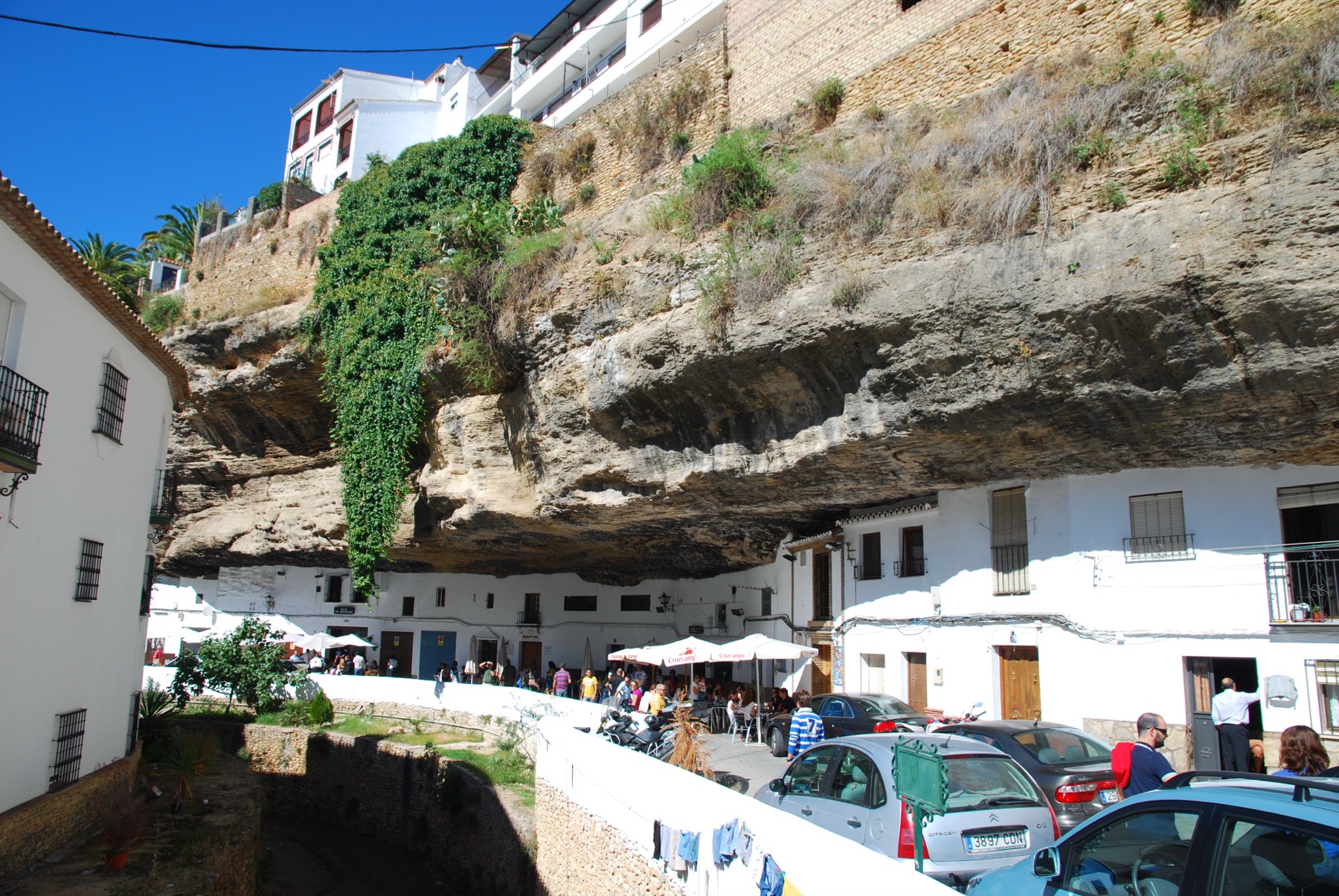
Setenil is memorable because the town inhabits the rock rather than merely sitting beside it. Walk both levels of the gorge, then leave before the cave streets become a single congested lunch queue.
18 km~25 min by car
Grazalema
Grazalema opens the protected mountain landscape west of Ronda: limestone, pinsapo forest, white streets, and weather that can differ sharply from the coast. Choose a walk appropriate to current access and conditions.
34 km~45 min by car
Málaga
Málaga returns the journey to the Mediterranean with museums, market life, rail connections, and a genuinely urban evening. Give it more than an airport transfer if you can.
Prices, opening hours, transport schedules, and access rules change
without warning. Check Ronda monument hours, gorge-path access, restaurant days, and mountain-road conditions before fixing the order of your visit.