A white harbour at the far, wind-shaped edge of Catalonia
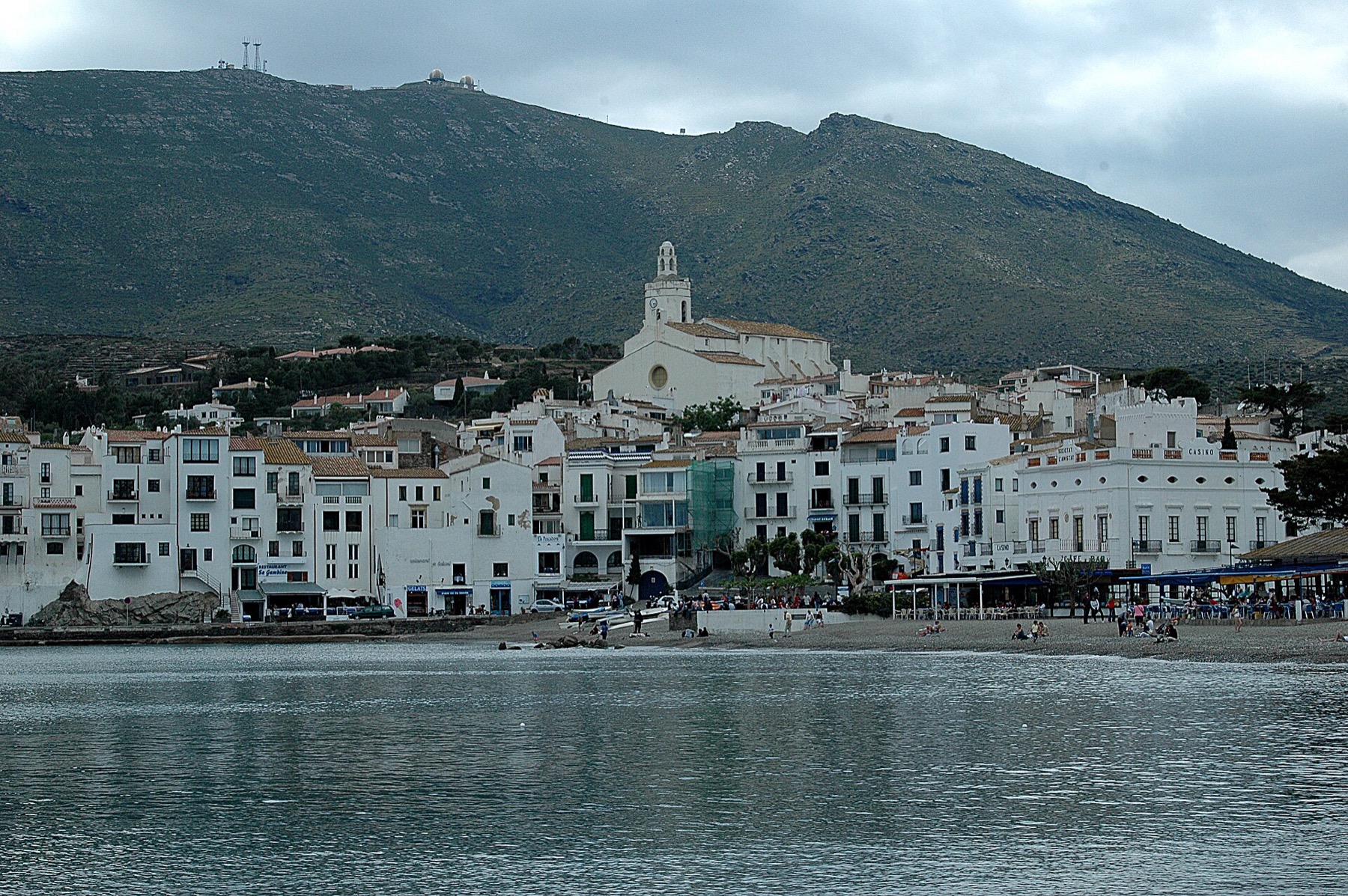
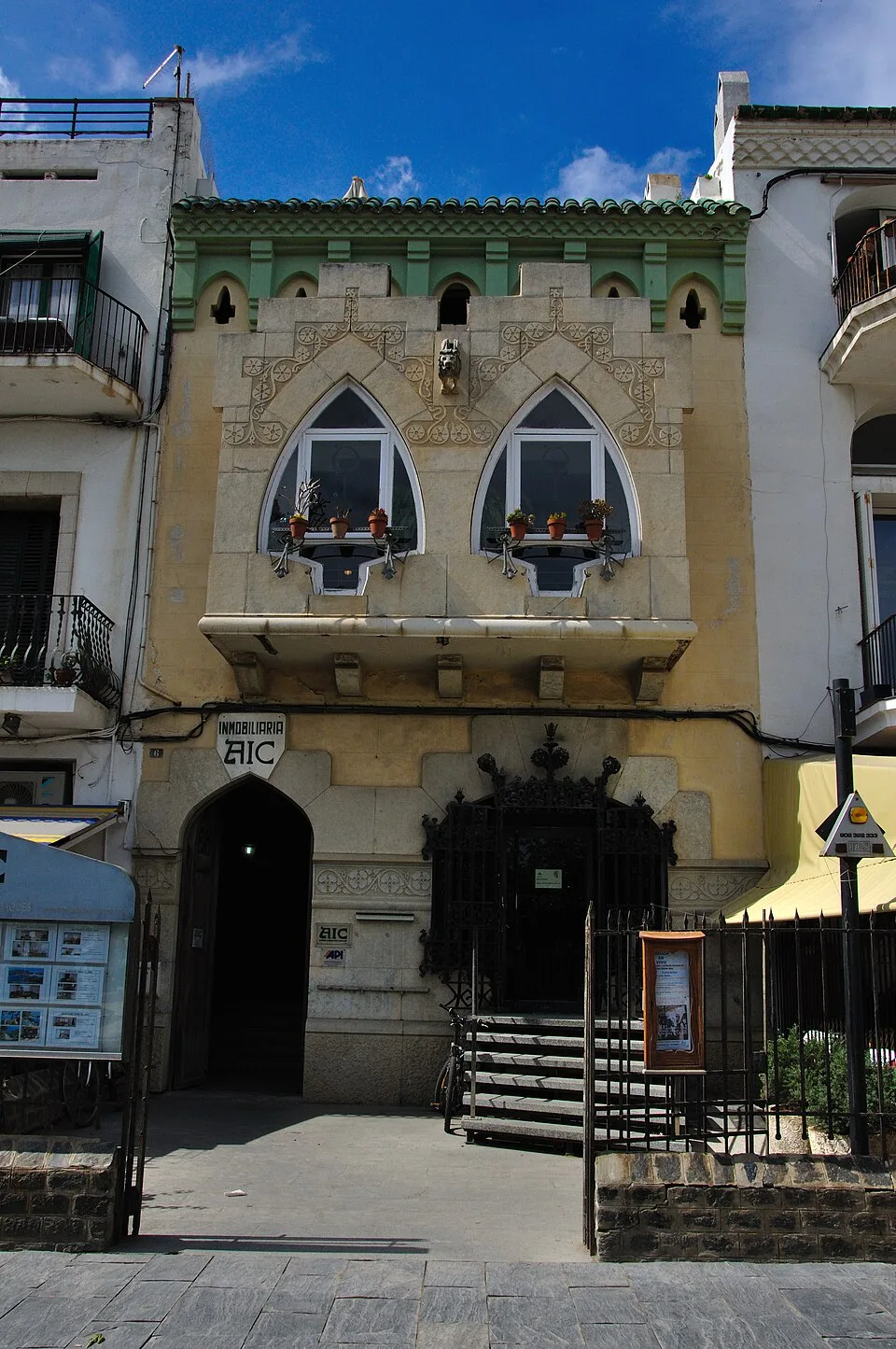
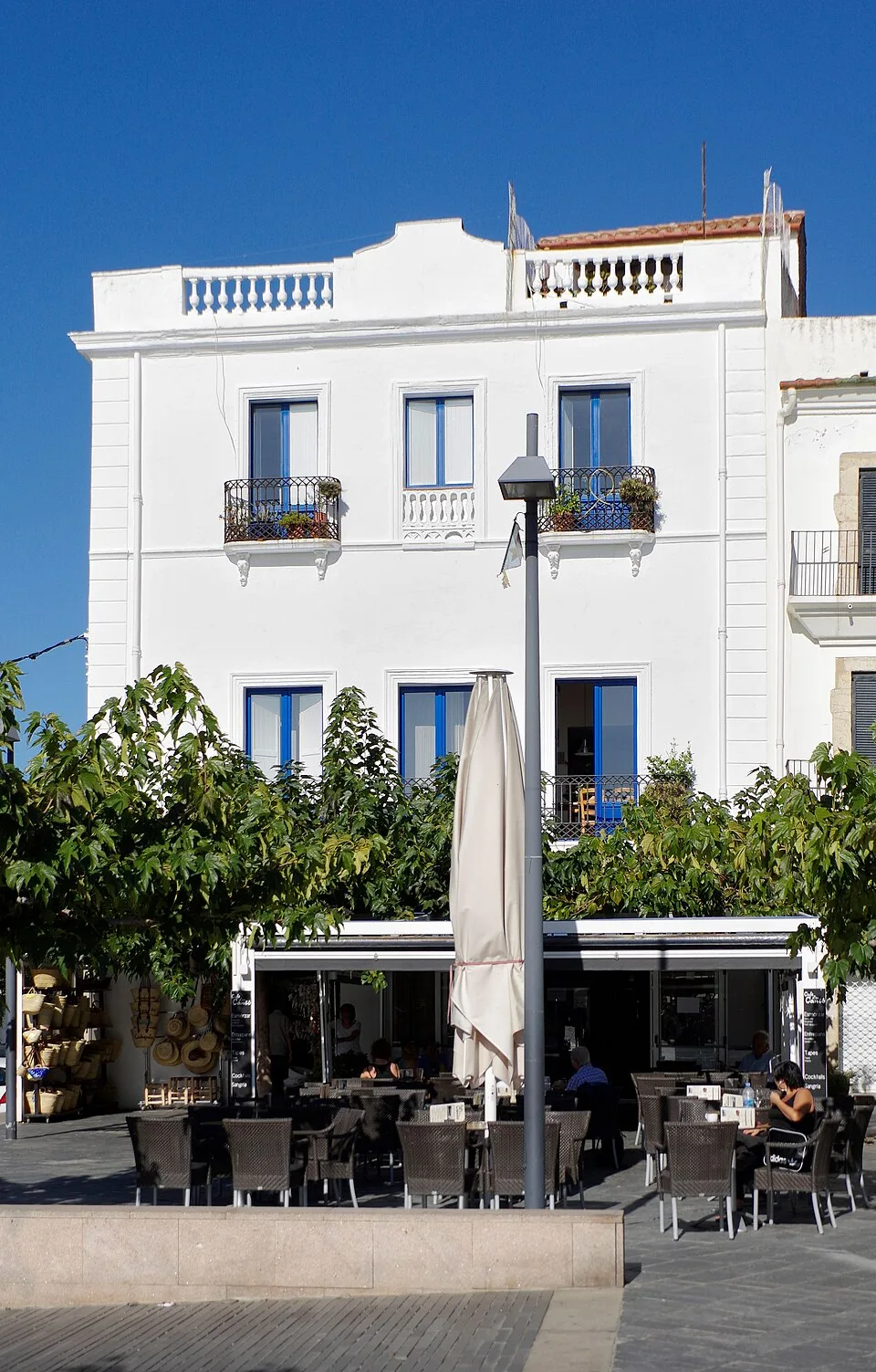
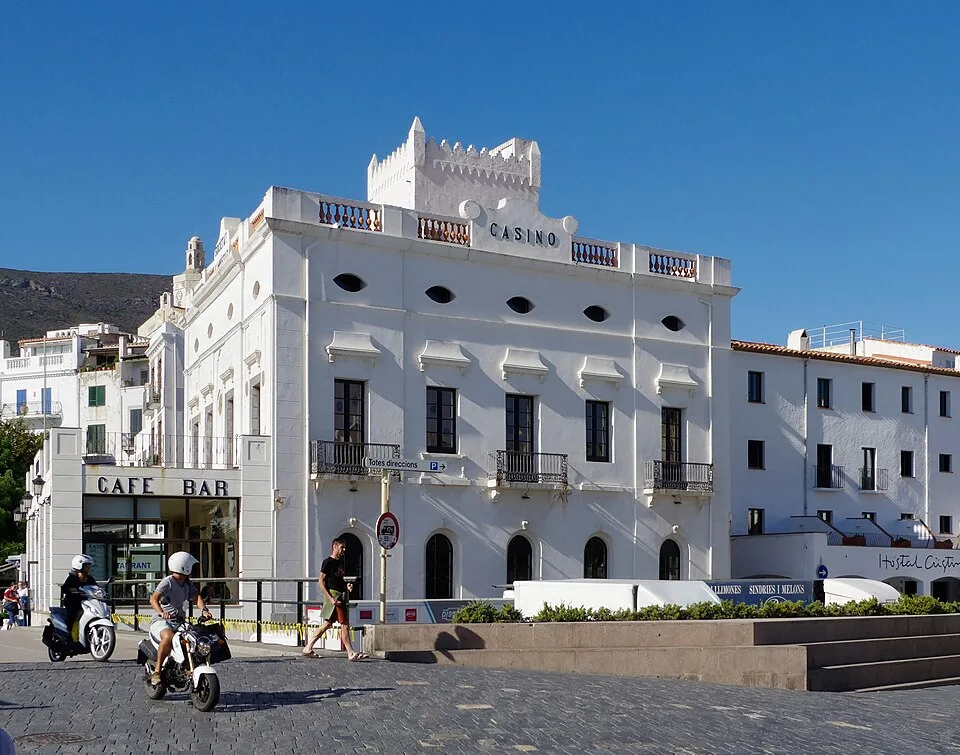
Cadaqués bay climbing toward Santa Maria
Portlligat, with the bare Cap de Creus landscape beyond
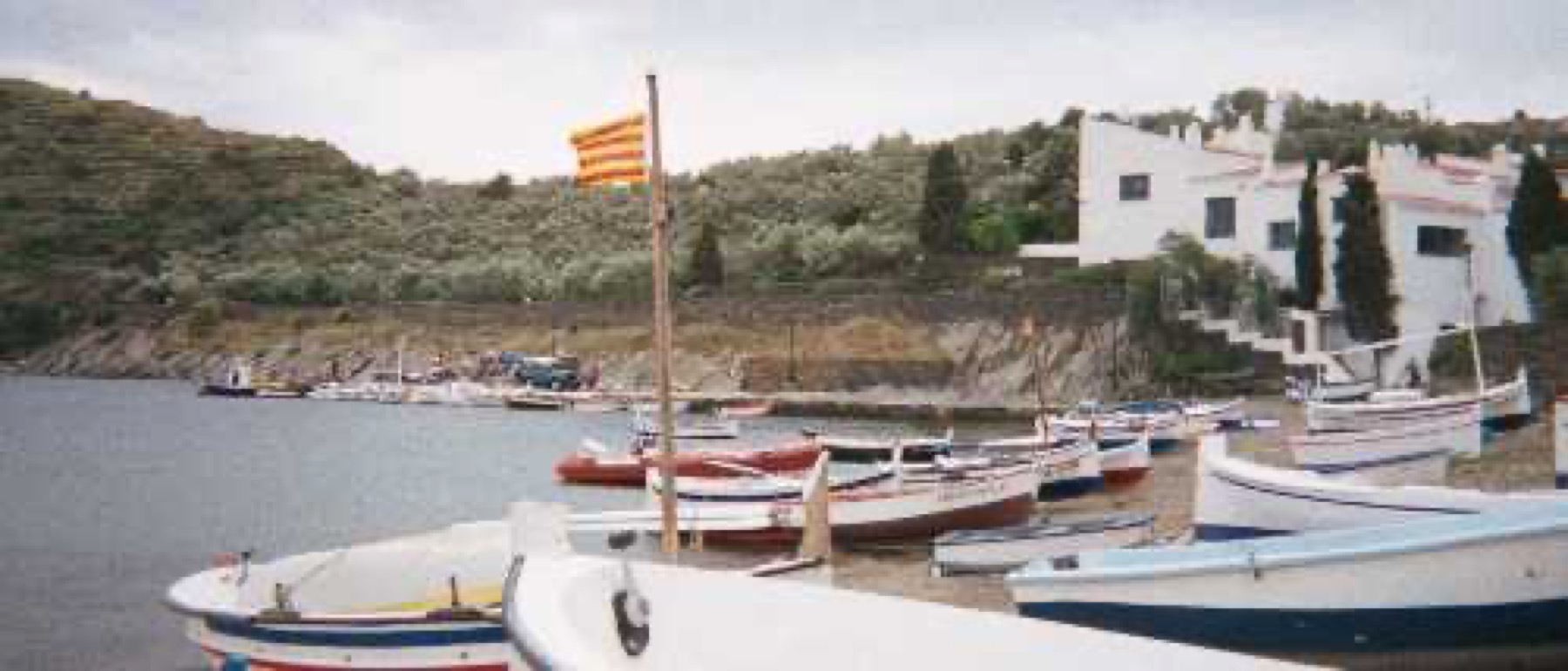
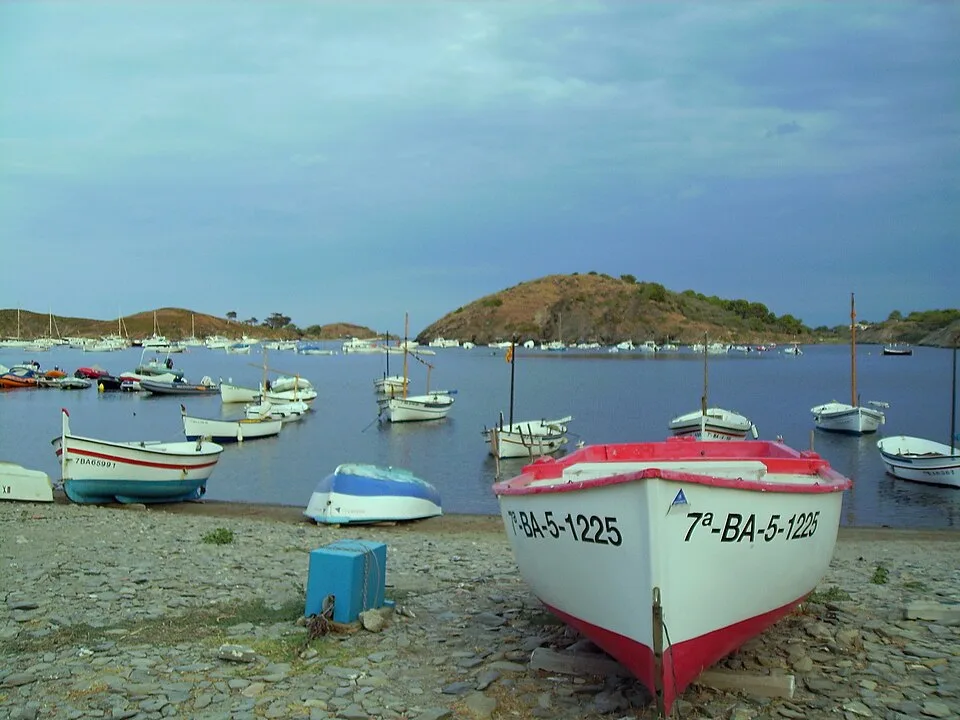
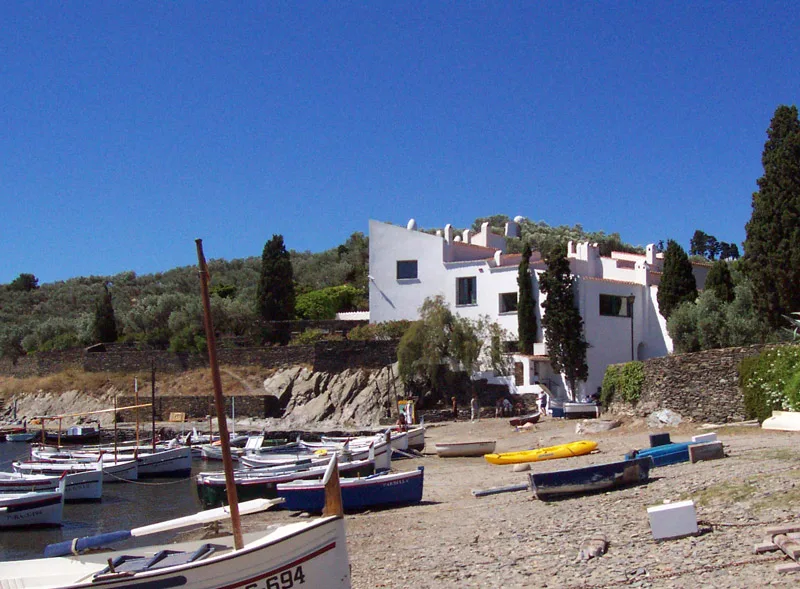
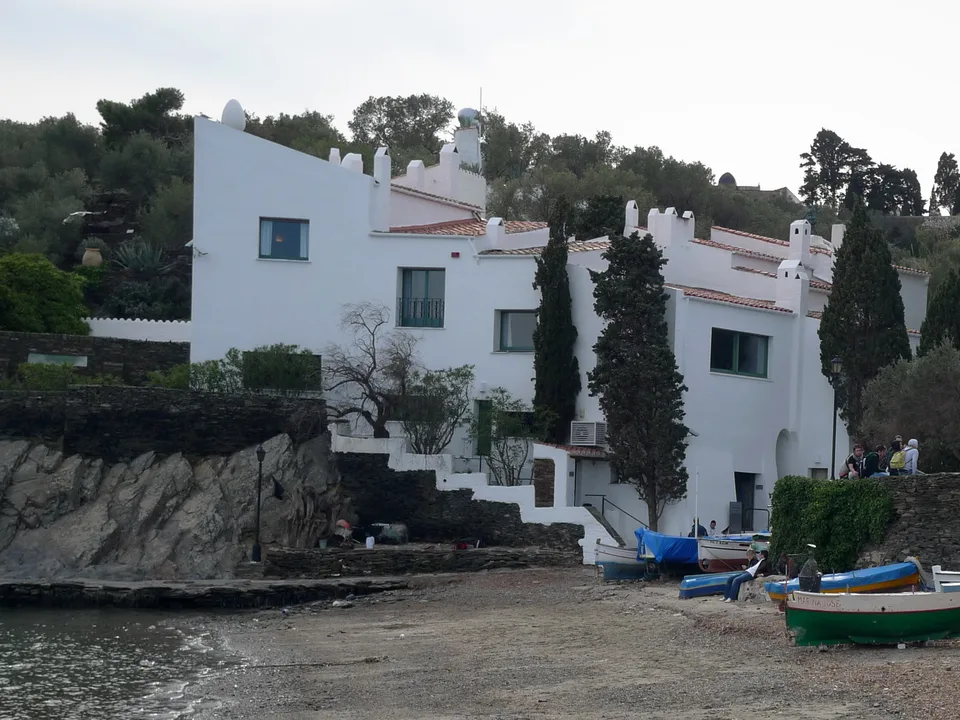
Portlligat's fishermen's cove and Dalí's assembled house
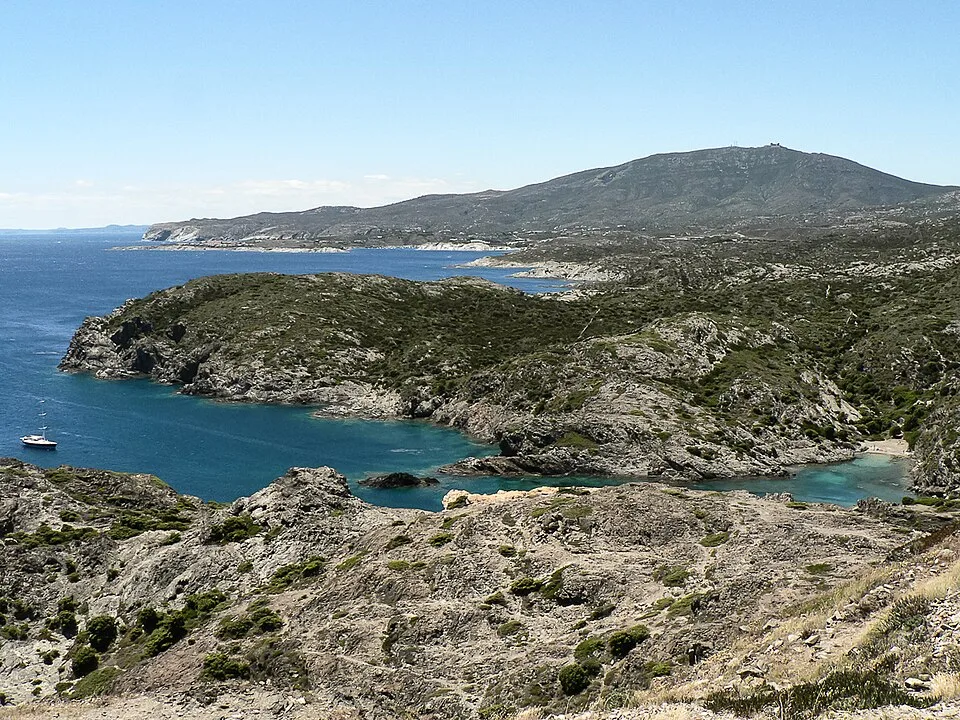
The folded rock and hard Mediterranean light of Cap de Creus
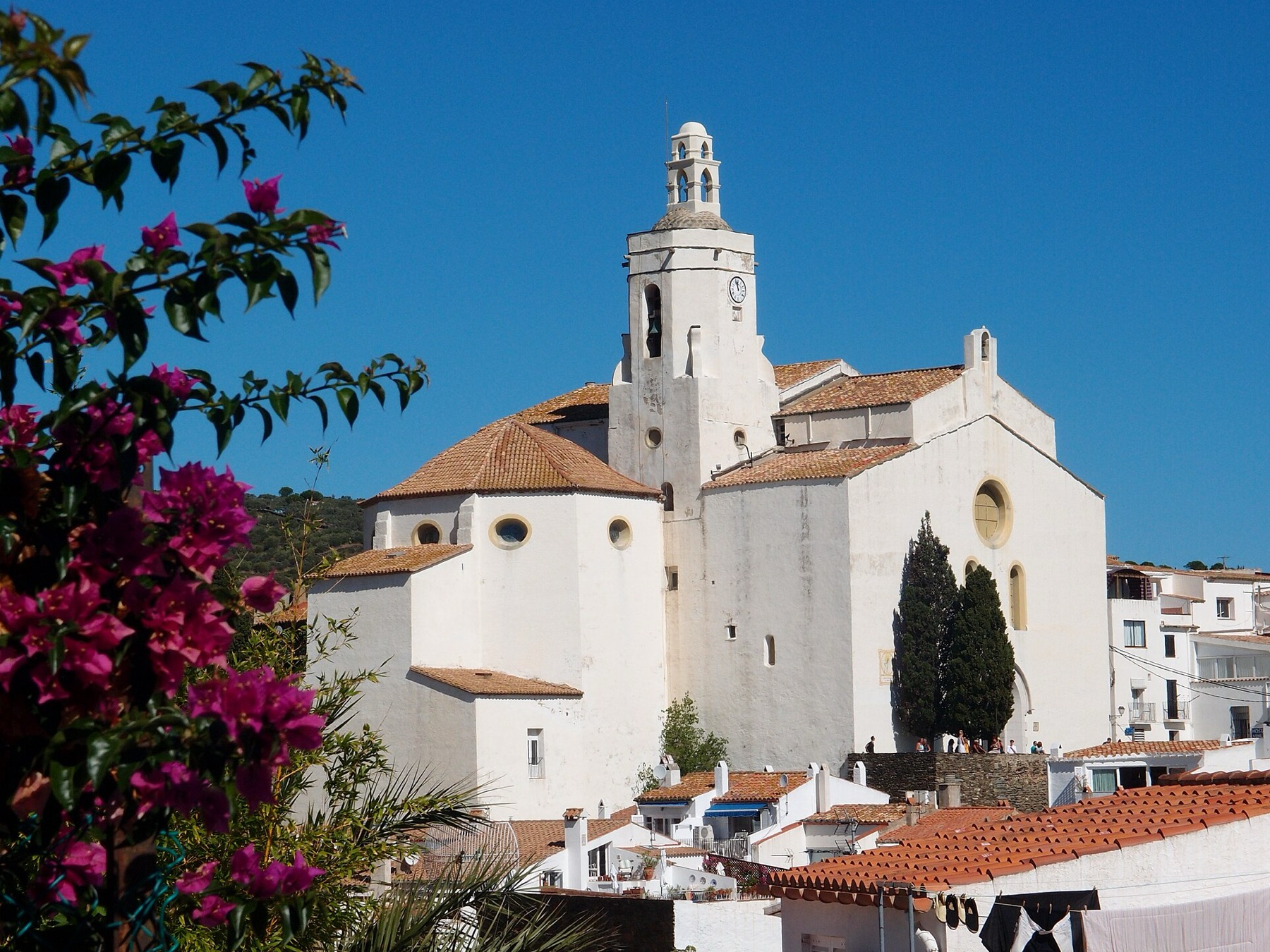
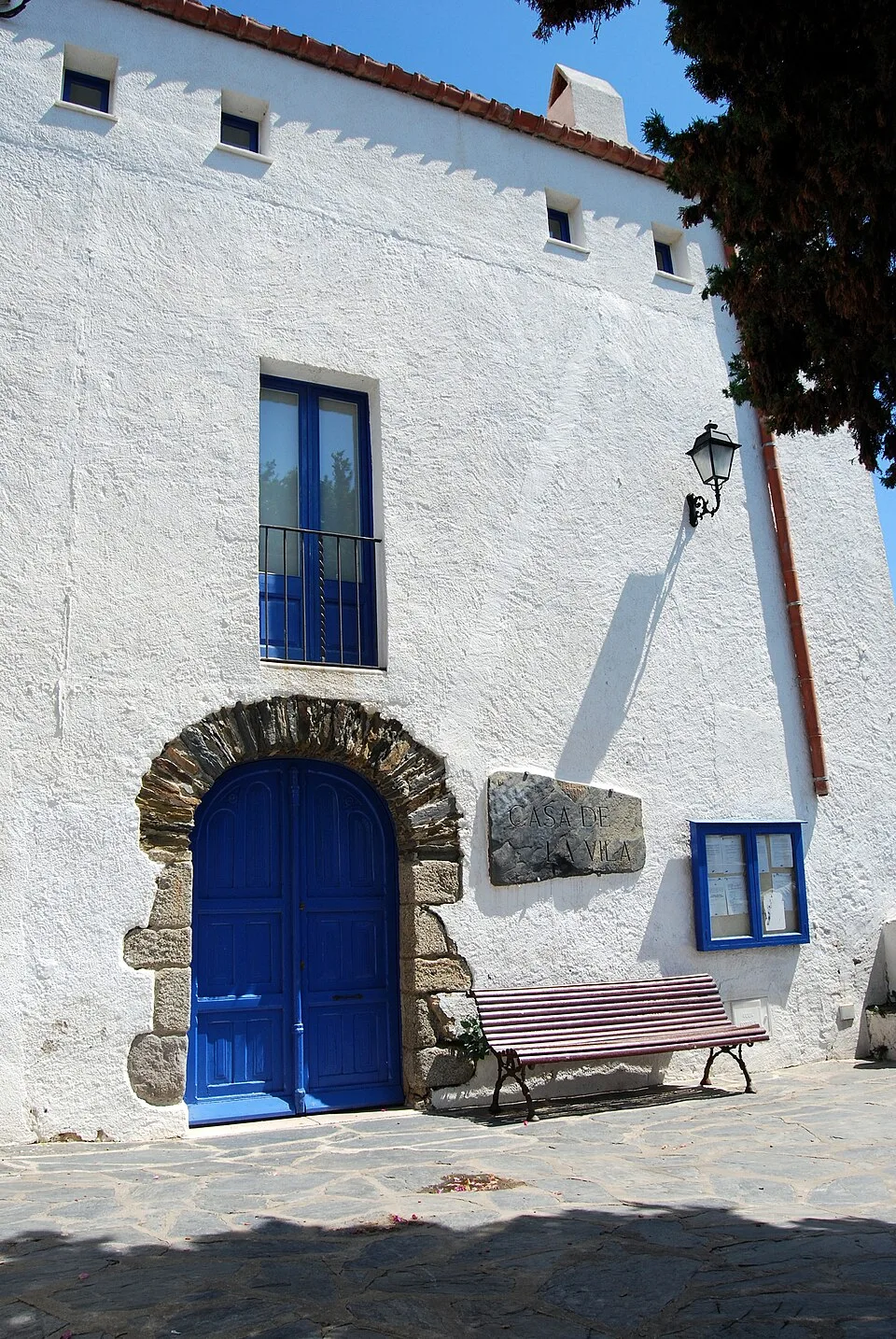
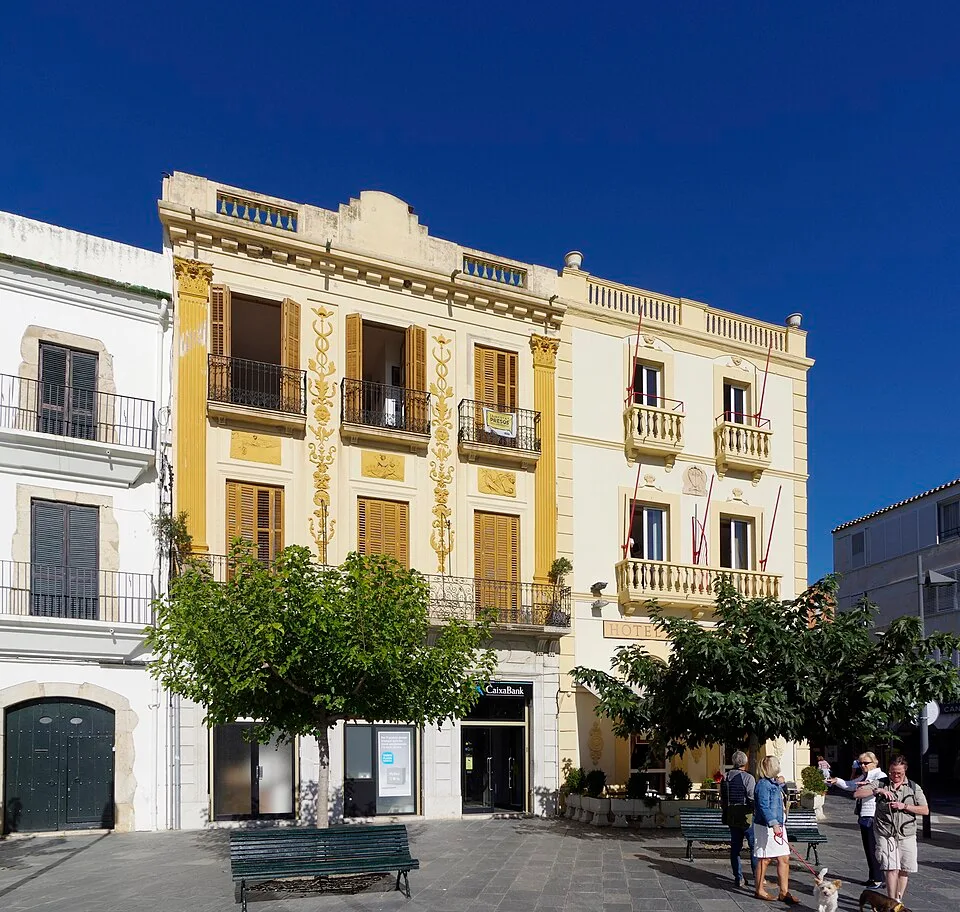
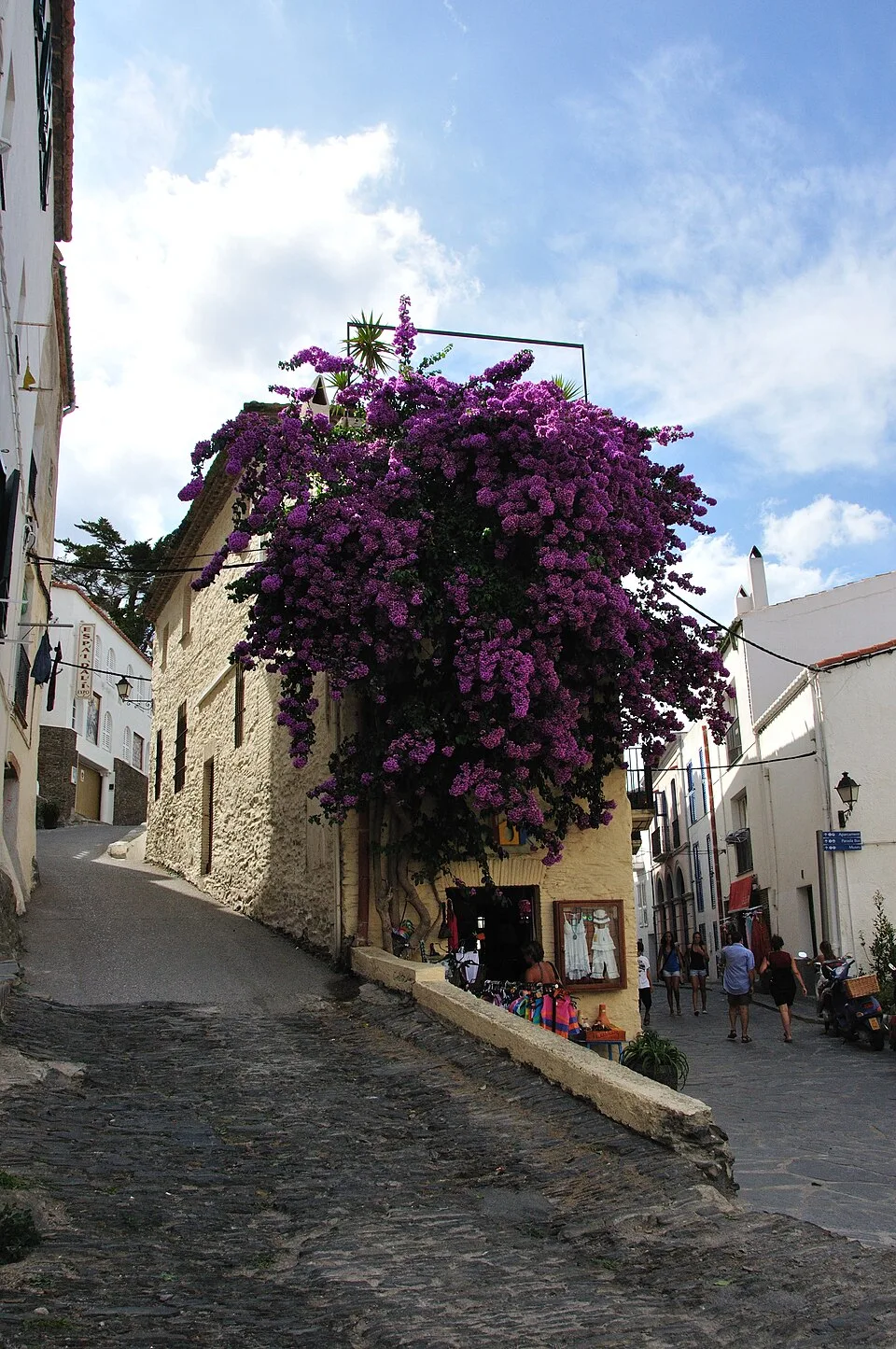
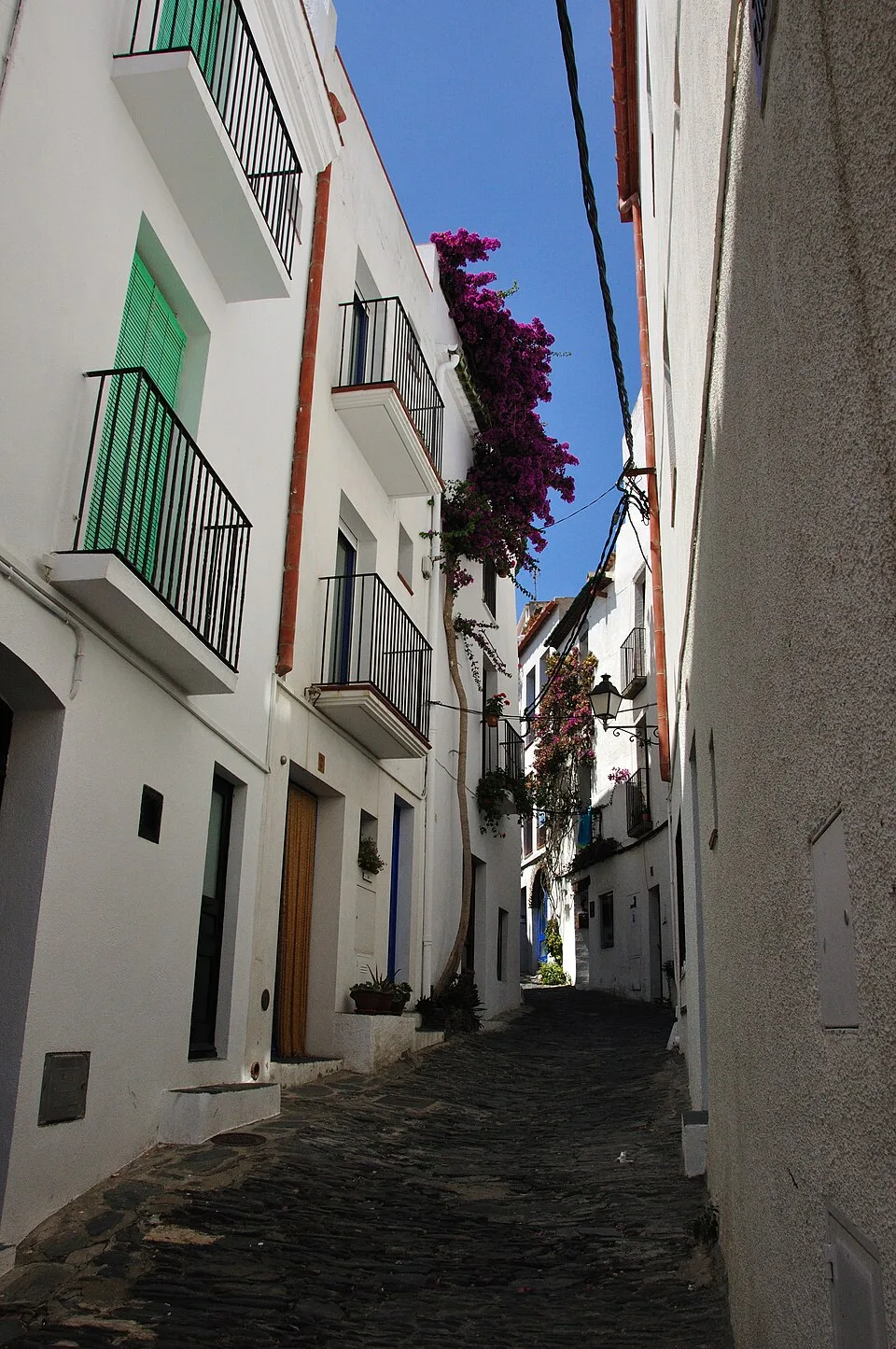
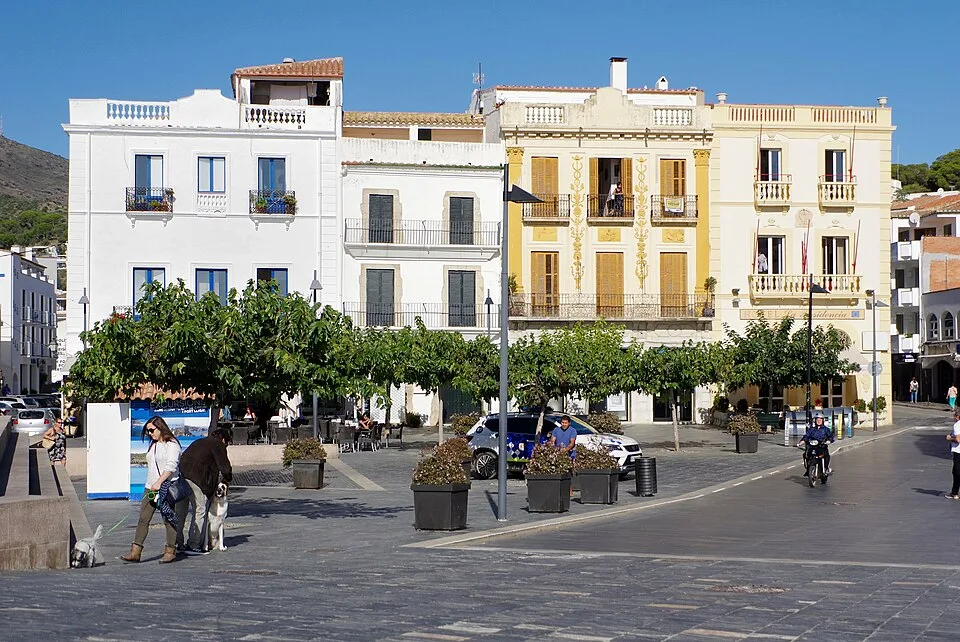
Santa Maria above the old slate-paved lanes
Cadaqués is not simply a pretty Costa Brava stop: it is a slate-paved fishing town turned artists' refuge, hemmed in by mountain road, tramuntana wind, and the eroded rock of Cap de Creus.
Introduction
Cadaqués begins before the first white house: the road folds over the mountains, the mobile signal wavers, and the sea appears almost as a surprise. That difficult arrival once turned the village toward the water rather than inland. Fishing boats, slate-paved lanes, émigré houses, and the hard geology of Cap de Creus form the real story; Dalí is its most famous interpreter, not its sole author. Stay three nights if you can. Give one chapter to the walk-only centre, one to Portlligat and the protected headland, and one to a swim, boat, or long lunch governed by the tramuntana wind.
3 nights
Ideal stay
On foot
In the village
Car or boat
Cap de Creus
Book ahead
Dalí House
When to go
May, June, September, and early October best balance walking, swimming, and breathing room. In July and August, reserve the Dalí House-Museum at Portlligat and accommodation early, then assume the headland will require more planning than the map suggests.
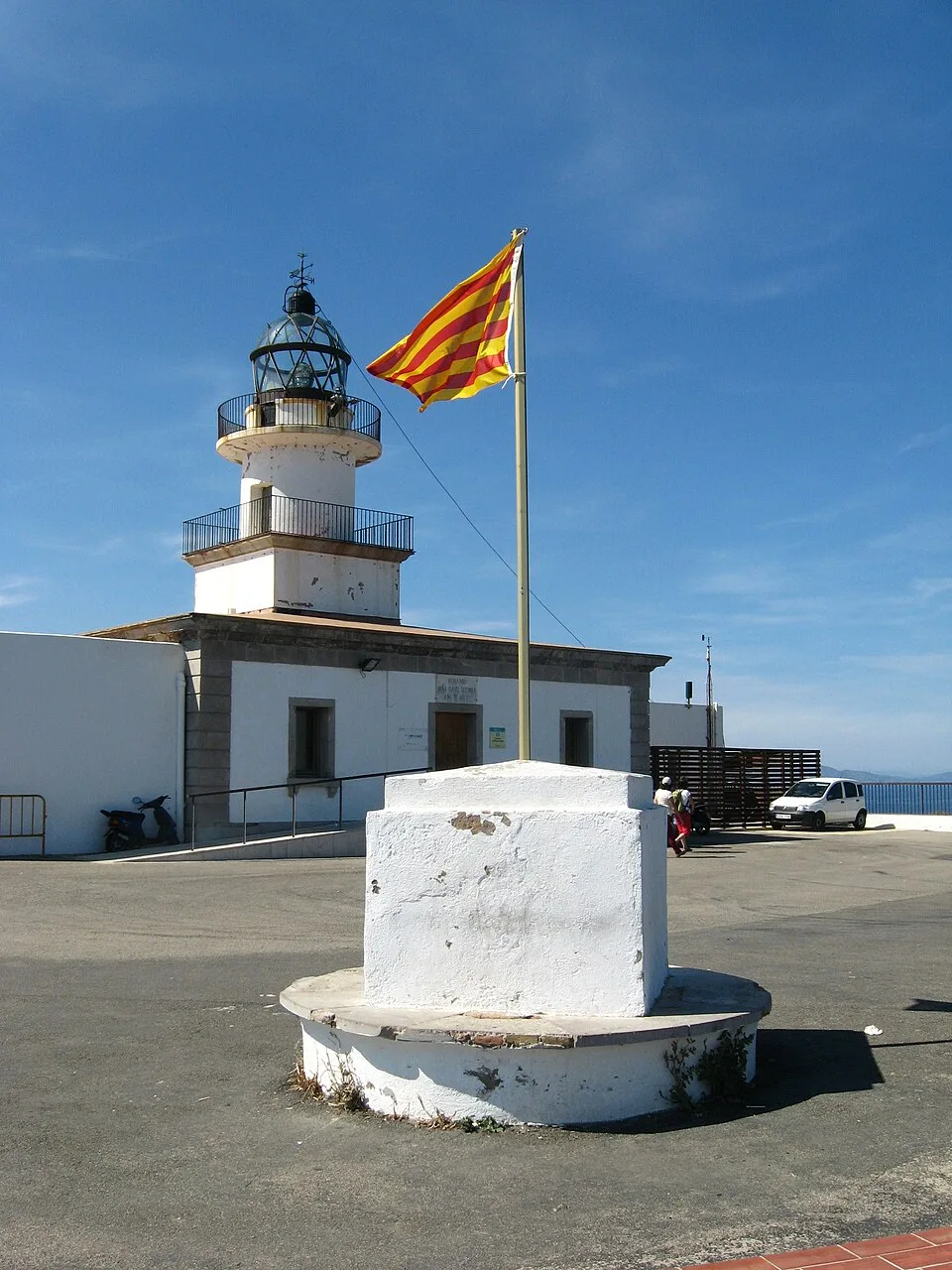
For 2026, motor access from Cadaqués toward the Cap de Creus lighthouse is restricted on published spring dates, every day in July and August, and selected later dates; hours vary. Walk, use the authorised shuttle when operating, and check the park's live access page. Winter is beautifully spare, but tramuntana wind and reduced opening hours change the trip completely.
Highlights
Read the town from seafront to stone lanes, then let Cap de Creus pull the story outward. No high-rise clutter keeps the centre walkable; that is a feature, not a limitation.
At the table, climb before lunch, then let the waterfront feel earned; timing and house style matter more than collecting famous names.
Cadaqués old town
White lanes · Santa Maria view
At the table, climb before lunch, then let the waterfront feel earned; timing and house style matter more than collecting famous names. Notice the dark rastell paving underfoot and the view framed between white walls; the climb explains the town's vertical shape better than any map.
Essential
Portlligat Dalí House
Book ahead · small museum
The strongest Dalí stop because the landscape is still part of the work; read it as part of the destination rather than an isolated recommendation. The rooms make most sense after you have walked the bay: windows, mirrors, eggs, and stuffed animals continually borrow the landscape outside.
Essential
Cap de Creus
Headland walks · lunar rock
Wild, windy, and much better early than at noon; read it as part of the destination rather than an isolated recommendation. Treat the cape as exposed country rather than a scenic drive. Wind, summer access controls, and a lack of shade should determine the route and turnaround.
Essential
Rocky coves
S'Alqueria · Sa Conca
Landscape sets the terms here: bring water shoes and expectations calibrated for rock, not sand; stay long enough to see how the panorama shapes ordinary life. These are swimming coves, not resort beaches: rock shelves, clear water, little shade, and the pleasure of arriving with everything you need.
Essential
Seafood nights
Anchovies · suquet · urchins
At the table, eat simply and book the tables that actually face the bay; timing and house style matter more than collecting famous names. Let the menu stay close to the coast—anchovies, rice, grilled fish, and suquet—and save experimental cooking for a table whose view is not its only argument.
Essential
Itinerary
Cadaqués should be planned as three wind-aware chapters: the walk-only centre, Portlligat with timed Dalí tickets, and a headland or Roses day governed by tramuntana forecasts.
Cadaqués arc
Recommended: 3 days · 12 stops
Old → Cap → Coves
Best at
3 daysSlate lanes firstProtect
lunch
4 stops · full day · old town + Portlligat; read it as part of the destination rather than an isolated recommendation.
Walk the centre first: church square, seafront, and the lanes that explain why artists stayed when the road was still an ordeal. Pause where the lanes briefly reveal the harbour; those shifting fragments of blue are the visual grammar that painters carried into studios here.
09:001h
Santa Maria climb
1hStop 1
Old town and Portlligat
PacedBefore the tramuntana rises
11:001h 30m
Portlligat Dalí House
1h 30mStop 2
Old town and Portlligat
PacedLeave room for the wind
13:001h 30m
Lunch by the waterfront
1h 30mStop 3
Old town and Portlligat
PacedLeave room for the wind
15:001h 30m
Sunset along Es Pianc
1h 30mStop 4
Old town and Portlligat
PacedLeave room for the wind
Portlligat and Cap de Creus are the second chapter—timed Dalí tickets, wind check, and park access rules before you commit to the lighthouse walk. The headland is the protagonist, not background scenery. Leave enough time after the museum to walk beyond Dalí and encounter the dry-stone walls, coves, and eroded forms that fed his vocabulary.
09:001h
Portlligat start
1hStop 1
Cap de Creus
PacedBefore the tramuntana rises
11:001h 30m
S'Alqueria coves
1h 30mStop 2
Cap de Creus
PacedLeave room for the wind
13:001h 30m
Cap de Creus lighthouse
1h 30mStop 3
Cap de Creus
PacedLeave room for the wind
15:001h 30m
Seafood back in Cadaqués
1h 30mStop 4
Cap de Creus
PacedLeave room for the wind
Keep day three for swimming, a cove lunch, or a Roses excursion when the tramuntana makes the headland a bad bet. A slow final day protects the trip from becoming a sequence of reservations: swim from rock, follow a short camí de ronda, and let wind decide whether the boat or inland detour happens.
09:001h
Cala Nans or Sa Conca
1hStop 1
Coves or Dalí Triangle
PacedBefore the tramuntana rises
11:001h 30m
Boat to coves
1h 30mStop 2
Coves or Dalí Triangle
PacedLeave room for the wind
13:001h 30m
Figueres option
1h 30mStop 3
Coves or Dalí Triangle
PacedLeave room for the wind
15:001h 30m
Final dinner in town
1h 30mStop 4
Coves or Dalí Triangle
PacedLeave room for the wind
Getting around
Figueres is the practical rail hub; the final approach is by bus, taxi, or car on a winding road. Inside town, park once and walk—the centre is intentionally compact.
Portlligat and the natural park are separate logistics. Book Dalí timed tickets first, then build transport around them. A Roses day trip works when wind makes the headland feel punishing.
Walks & hikes
The seafront-to-old-town loop is the essential orientation: white walls, church square, artist plaques, and sudden views toward the bay.
The coastal path toward Cap de Creus lighthouse is the serious walk—exposed rock, wind, and park access rules in 2026. Start early and carry water.
For a shorter option, climb to the cemetery viewpoint or walk the lanes behind the church when the tramuntana is up and the headland should wait.
Neighbourhoods
Cadaqués has one real neighbourhood in visitor terms: the walkable core between the church, seafront, and lanes climbing toward viewpoints. Choose lodging inside that footprint so dinner and a windy-night retreat stay easy.
Old town · White lanes
Best for first-time stays
At the table, sleep near Santa Maria for atmosphere and easy dinners; timing and house style matter more than collecting famous names.
Expect steps, slate paving, and awkward luggage rather than door-to-door convenience; read it as part of the destination rather than an isolated recommendation. A room here trades vehicle convenience for immersion: bells, footsteps on stone, and small harbour glimpses become the texture of mornings and late returns.
Waterfront · Bay life
Best for views and evening energy
At the table, the easiest base for swims, boat departures, and long dinners; timing and house style matter more than collecting famous names. The practical choice is straightforward: it is also the busiest and most expensive strip in high season; keep logistics subordinate to time in the destination. Check whether the room truly faces the water and whether summer nightlife sits below it; a partial bay view can come with a full night of restaurant noise.
Portlligat side · Quiet edge
Best for Dalí and early walks
On foot, a calmer setup for the house-museum and Cap de Creus paths; the changing perspective matters as much as the final viewpoint. At the table, choose it only if you are comfortable walking back after dinner; timing and house style matter more than collecting famous names. Portlligat is quiet because it is a cove, not a second town centre. Plan the evening walk and carry a light if you intend to eat in Cadaqués after dark.
Stay central on a first visit
The practical choice is straightforward: cadaqués is compact, but hills and summer parking make a well-placed room more valuable than a cheaper bed outside town; keep logistics subordinate to time in the destination.
The practical choice is straightforward: resist the urge to plan to move the car daily; keep logistics subordinate to time in the destination.
Park once and walk. The practical choice is straightforward: re-entering the parking hunt every morning is the quickest way to make this graceful town feel irritating; keep logistics subordinate to time in the destination.
Where to eat
Eat simply and locally: grilled fish, suquet, anchovy toasts, and unfussy Catalan cooking beat the celebrity-restaurant trap. Lunch should follow swimming, not precede a Dalí ticket.
01
Compartir
Compartir applies fine-dining technique to plates designed for the table rather than individual ceremony. Reserve well ahead, arrive ready to share, and let this be the planned meal around which simpler fish lunches orbit.
Creative Catalan · Book ahead
02
Es Baluard
Casa Anita belongs to the older, conversational Cadaqués: seafood, local memory, and a room where hospitality matters as much as presentation. Confirm current opening and book rather than assuming a spontaneous summer table.
Seafood · Waterfront
03
Talla
Talla offers a more contemporary reading of Catalan produce with the town still close at hand. It suits the evening when you want thoughtful cooking without turning the whole night into a tasting-menu performance.
Modern Catalan
04
Bar Boia
Marítim is for the unhurried aperitif: watch boats settle in the bay, order modestly, and remember that the waterfront atmosphere—not culinary novelty—is what earns the stop.
Aperitif · Casual
Reserve the one meal that matters
At the table, good tables are limited and summer demand is not; timing and house style matter more than collecting famous names. Book the splurge, then keep the rest flexible; read it as part of the destination rather than an isolated recommendation.
Lunch late, walk later
Cadaqués makes most sense on the Catalan clock: a late, unhurried lunch while the stone lanes hold the day's heat, followed by coves and harbour walks as the light softens. Treat that pause as part of the landscape rather than lost sightseeing time.
What to buy
Skip the Dalí tea towels. Better choices: anchovies from a local salting tradition, a modest print from a gallery you actually visited, or restrained ceramics from a Cap de Creus maker—objects that still feel like the far end of the Costa Brava once you are home.
Local art and prints
Buy a modest work from a real local gallery if the town genuinely moved you; skip mass-produced Dalí costume jewellery; read it as part of the destination rather than an isolated recommendation. Look for a gallery relationship rather than a decorative object: ask who made the work, where the studio is, and how the cape enters the artist's practice.
Anxoves de l’Escala
Not Cadaqués-specific, but a good northern Costa Brava anchovy tin is an edible souvenir that earns its luggage space; read it as part of the destination rather than an isolated recommendation. Anchovies travel well and carry the wider Empordà coast with them; choose a producer that identifies origin and curing rather than a tin printed only with Dalí imagery.
Ceramics and linen
The practical choice is straightforward: look for restrained coastal pieces from Catalan makers rather than generic beach-shop clutter; keep logistics subordinate to time in the destination. Local olive oil and wine make most sense when tasted through a nearby producer or restaurant first, turning a practical purchase into a memory of the landscape beyond the harbour.
The right purchase should still feel like Cadaqués after the holiday light has worn off: a modest print, anchovy tin, or restrained ceramic from a local maker.
Edges of the map
S'Alqueria and Cala Guillola reward the walkers who leave the main waterfront: rough rock, clear water, and a social temperature several degrees lower than the church square. Bring proper shoes; this is geology, not a resort beach.
Sa Conca works as an early swim or a late-day reset when the tramuntana drops: close enough to walk, far enough from the restaurant row to change the pace of the afternoon.
The cemetery above town is a quiet, slightly austere place to understand Cadaqués without café noise: white walls, sea views, family names, and the town's edge rather than its postcard face.
Culture
Cadaqués is not just pretty; it is a place shaped by isolation; read it as part of the destination rather than an isolated recommendation. Before the road made arrival easier, the sea mattered more than the hinterland, and the white houses, slate lanes, fishing memory, and artists' mythology all grew from that edge-of-the-map feeling.
Dalí is the famous interpreter, not the author of the landscape. Portlligat gave him eggs, boats, light, and theatre; Cap de Creus supplied the wind-scoured rock that made his dream logic feel physically possible. Read the town through that collaboration rather than through gift-shop surrealism.
Go next
The strongest onward moves extend either the Dalí story or the northern Costa Brava coastline—Roses for boats and beaches, Figueres for the Theatre-Museum, or a slow drive back through Port de la Selva.
Figueres
Figueres completes Dalí's public theatre after Portlligat's private rooms. Pair the museum with a Rambla walk and rail connection rather than trying to make it another rushed stop on the same timed-ticket day.
35 km~50 min by car
Roses
Roses offers easier logistics, broader beaches, and boat access around the cape. Its citadel and working port also provide a useful counterweight to Cadaqués' carefully preserved artistic image.
18 km~30 min by car
Girona
Girona is the natural urban bookend: layered Jewish and medieval history, river façades, and a dining scene large enough to absorb the reservations the coast cannot.
Prices, opening hours, transport schedules, and access rules change
without warning. Recheck Cap de Creus access controls, Dalí House bookings, restaurant days, and coastal-path conditions close to departure.